Skip to content

Geopolitics · Trade & Tariffs

Analysis

Suez Canal recovery raises freight savings, cuts transit by 27 days

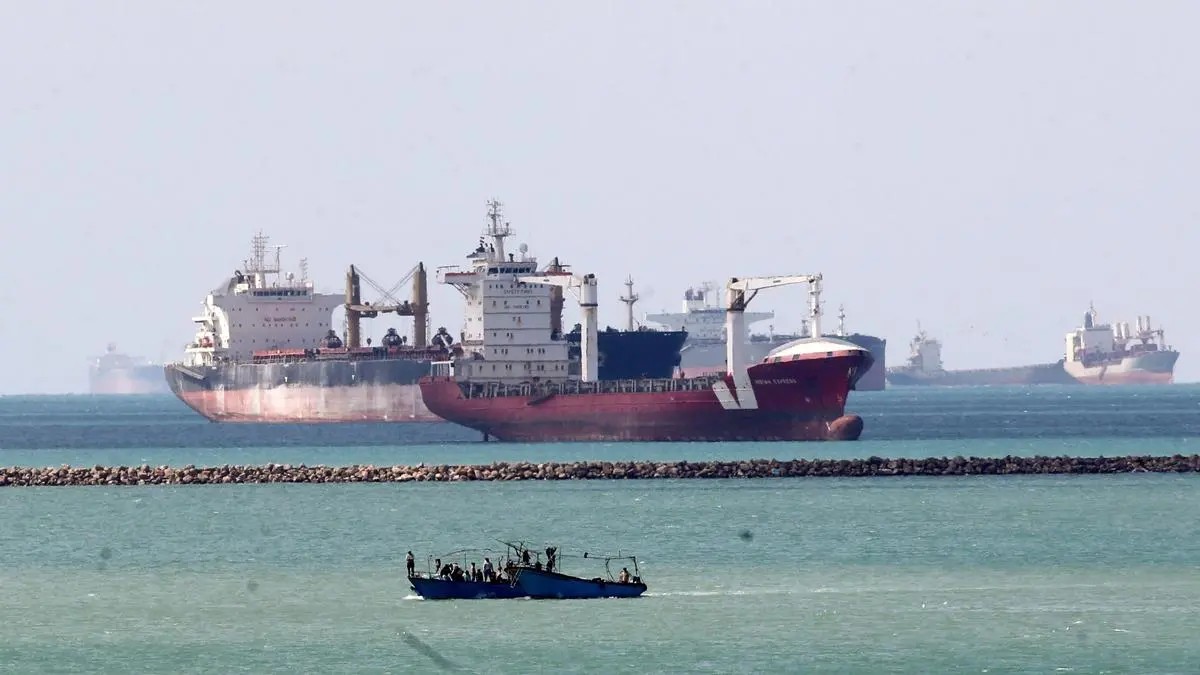
Suez Canal container-ship tonnage rose 54.2% year-on-year in Jan–Aug 2026, reaching 753,000 TEU weekly in early October—up from 330k TEU in late 2023. Freight rates from India to Europe dropped $400–600 per container, with transit times cut from 34–36 to 23–24 days. A full Suez round voyage saves 7,833 nautical miles and 27 days versus the Cape route, yielding ~$1 million in vessel operating savings. Carriers including Maersk, Hapag-Lloyd, MSC, and alliances resumed Suez routing in July 2026 amid year-end demand.

Original source: thehindubusinessline.com

Suez Canal recovery raises freight savings, cuts transit by 27 days
📋 本文要点

Suez Canal container-ship tonnage rose 54.2% year-on-year in Jan–Aug 2026, reaching 753,000 TEU weekly in early October—up from 330k TEU in late 2023. Freight rates from India to Europe dropped $400–600 per container, with transit times cut from 34–36 to 23–24 days. A full Suez round voyage saves 7,833 nautical miles and 27 days versus the Cape route, yielding ~$1 million in vessel operating savings. Carriers including Maersk, Hapag-Lloyd, MSC, and alliances resumed Suez routing in July 2026 amid year-end demand.

According to thehindubusinessline.com, container-ship tonnage transiting the Suez Canal during January–August 2026 was 54.2 per cent higher than a year earlier, signaling renewed viability for the critical maritime corridor.

Recovery milestones

The Suez Canal Authority reported that container-ship traffic rebounded to more than half of pre-disruption levels for the first time since Houthi attacks began in November 2023. During the first two weeks of October 2026, weekly container ship capacity averaged 753,000 TEU, compared with 1.457 million TEU in the same period in 2023, according to Clarksons Research.

The decline had been steep: by the last week of 2023, weekly capacity had plummeted to 330k TEU from a year-to-date average of 1,290k TEU, per BIMCO. Niels Rasmussen, Chief Shipping Analyst at BIMCO, confirmed this marks the first return above 50 per cent of pre-disruption throughput.

Carrier routing shifts accelerate revival

The recovery gathered pace after the Gemini Alliance — comprising Maersk and Hapag-Lloyd — announced in July its resumption of Suez Canal services. Ocean Alliance, Premier Alliance, and MSC followed with similar routing changes, aligning with seasonal demand spikes ahead of the US and European year-end festive season.

This coordinated shift coincides with measurable improvements for Indian exporters. Ramu Shanmugam, CEO of Clothing Connections and Chairman of the IT Wing Subcommittee of the Tiruppur Exporters’ Association, noted ocean freight rates from Tuticorin to Antwerp and Rotterdam have fallen to $2,350–2,450 per 40-foot container, down from a peak of $6,100–7,000 in July.

Freight and transit time benefits

Chennai–Rotterdam transit times have improved to 23–24 days, versus 34–36 days via the Cape of Good Hope. Indian exporters to Europe and the UK have seen freight rates fall by $400–600 per container over the past three weeks, with further softening expected through November, Shanmugam said.

However, shipments to the US East and West coasts have yet to see comparable benefits. Sean Fang, China–Europe Rail & Multimodal Specialist, cited Drewry’s analysis showing a Suez round voyage covers 21,878 nautical miles in 97 days, versus 29,711 nautical miles and 124 days via the Cape — a saving of 7,833 nautical miles and 27 days per round trip.

Drewry estimates those route efficiencies save approximately $1 million per round voyage for a 24,000-TEU vessel — or roughly $43 per slot — before war-risk insurance costs. As J Krishnan of Natesa Iyer, a Chennai-based freight forwarder, observed:

“The decision to selectively utilise the Suez route by container operators offers a sigh of relief to export trade, which is plagued by high freight costs and longer transit times.” — J Krishnan, Natesa Iyer

Source: thehindubusinessline.com

Compiled from international media by the SCI.AI editorial team.

Ask SCI.AI Finished reading? Continue with SCI.AI. Explore the related policy, route, company and historical context. Continue asking
India sets apple import quota at 45,000 tonnes under NZ FTA
Geopolitics

India sets apple import quota at 45,000 tonnes under NZ FTA

India’s Commerce Ministry has notified tariff rate quota procedures for apples, kiwifruit, Manuka honey, and albumins under the India–New Zealand Free Trade Agreement, effective October 20, 2026. Apple quotas rise from zero in Year 1 to 45,000 tonnes annually from Year 6, with a 25% duty applying above USD 1.25/kg CIF. Kiwifruit reaches 15,000 tonnes by Year 6 and enters duty-free above USD 1.80/kg CIF. Albumins climb to 3,000 tonnes annually from Year 5 at 11% duty, while Manuka honey starts at 40 tonnes and rises to 200 tonnes yearly, certified by New Zealand’s Ministry for Primary Industries.

Japan’s Three Big Banks Complete Stablecoin Cross-Border Trial
Geopolitics

Japan’s Three Big Banks Complete Stablecoin Cross-Border Trial

Japan’s three major banks have completed a joint stablecoin trial for cross-border payments, according to Trade Finance Global. The pilot tested blockchain-based settlement mechanisms without disclosing transaction values or timelines. The announcement appears alongside TFG’s event schedule, including the TFG Geneva conference on 5 November 2026, the TFG Trade Finance Forum 2025 on 9 December 2025, and TFG Singapore in May 2026. TFG serves a community of over 160,000 monthly readers and organizes coverage under thematic hubs including Treasury Management and Payments.

Hormuz Strait container ship attacks surge: 12 vessels hit in week
Disruptions

Hormuz Strait container ship attacks surge: 12 vessels hit in week

Container shipping faces intensifying threats in the Strait of Hormuz, with at least 10 vessels attacked since Sunday—including the Singapore-flagged GFS Pride, which sank after being struck by a projectile on Tuesday. UKMTO recorded 12 attacks between Oct. 5 and Oct. 11, the highest weekly total since the U.S.-Iran war began in February. Six vessels were hit on a single Sunday, including five tankers and one container ship. The 2,824-TEU GFS Pride and the Cape Dao are the second and third vessels to sink since the conflict started. Traffic fell to 131 crossings in the week ended Oct. 14, down from 176 the prior week, while oil throughput dropped to 12.6 million barrels per day on Oct. 13.

Welcome Back!

Login to your account below

Create New Account!

Fill the forms below to register

Retrieve your password

Please enter your username or email address to reset your password.

Scan to share via WeChat

Open WeChat and scan the QR code to share

QR Code

Add New Playlist