Germany has blocked COSCO’s planned acquisition of an 80% stake in German logistics firm Konrad Zippel, citing national security concerns and the need to protect critical supply chains. The decision, announced on 7 October, follows a foreign investment review — separate from earlier antitrust clearance granted in February 2026. COSCO already holds a 24.99% stake in Container Terminal Tollerort at the Port of Hamburg. Konrad Zippel operates hinterland transport services linked to Hamburg and Bremerhaven. The blocked deal highlights growing European scrutiny of foreign investment in logistics infrastructure tied to supply chain resilience.
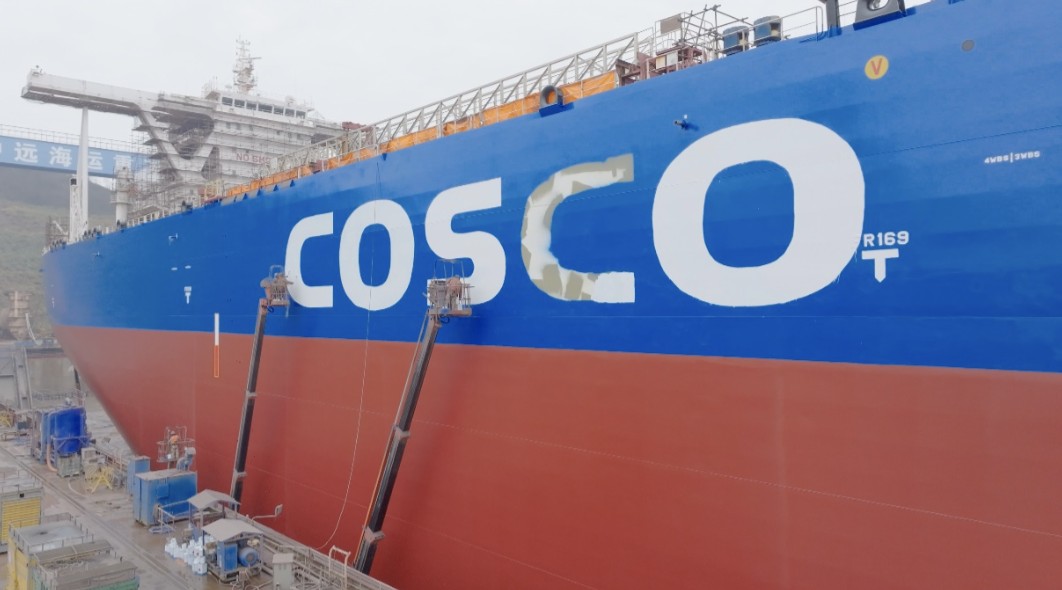
According to container-news.com, Germany has blocked Chinese state-owned shipping group COSCO’s planned acquisition of an 80% stake in German logistics firm Konrad Zippel, citing national security concerns and the need to protect critical supply chains. The decision was announced on 7 October.
Government intervention under foreign investment review
The German Ministry for Economic Affairs confirmed the prohibition following a formal foreign investment review, as reported by Reuters and German public broadcaster ARD. Unlike competition clearance — which the deal had already received from Germany’s Federal Cartel Office in February 2026 — this review assessed risks tied to foreign control of infrastructure vital to national supply chain resilience.
Konrad Zippel operates container hinterland transport services linking seaports with inland destinations via road and rail networks. Its operations are directly tied to Germany’s two major container gateways: Hamburg and Bremerhaven. The government emphasized that such logistics functions fall under critical infrastructure requiring safeguarding against external influence.
The transaction’s prohibition means COSCO cannot proceed with the acquisition under its proposed terms. This marks a distinct regulatory outcome separate from antitrust approval — underscoring how national security criteria can override prior competition assessments in strategic sectors.
COSCO’s existing footprint in Hamburg
COSCO maintains a significant presence in Germany’s maritime sector, including a 24.99% stake in Container Terminal Tollerort at the Port of Hamburg — a holding acquired in a prior transaction that also drew political scrutiny. The blocked Zippel deal would have extended COSCO’s role beyond terminal operations into inland container transport and integrated logistics services.
Such expansion would have connected German seaports more deeply with industrial and commercial centres across Europe — a development the government viewed as heightening exposure in sensitive transport corridors. The Container Terminal Tollerort stake remains unaffected by the latest decision.
The proposed acquisition aimed to integrate port and hinterland logistics under COSCO’s operational umbrella — a strategy now halted in Germany but still active elsewhere in Europe where regulatory frameworks differ.
Zippel’s operations continue unaffected
Despite the blocked transaction, Konrad Zippel’s existing business activities remain fully operational. The company continues to serve its established clients in container hinterland logistics without interruption. The German government’s action does not target Zippel itself, but rather the transfer of controlling interest to a foreign state-owned entity.
This case reflects intensifying European scrutiny of foreign investment in transport and logistics infrastructure, particularly when linked to national security or supply chain resilience. For COSCO, the decision represents a concrete setback to its planned expansion in Germany’s hinterland logistics market — a sector where it sought to grow beyond its current 24.99% terminal stake.
Source: container-news.com
Compiled from international media by the SCI.AI editorial team.