Skip to content

Supplier Management

Analysis

WTO raises 2026 goods trade forecast to 3.9% on AI boom

The WTO has raised its 2026 global merchandise trade volume growth forecast to 3.9%, up from 1.9% in March, citing AI-driven demand and supply chain adaptability. Trade in AI-enabling goods surged 67% year-on-year in early 2026 and contributed 47% of merchandise trade growth. Asia leads export growth at 9.9%, while West Asia exports are projected to fall 17.2%. Services trade growth is downgraded to 3.3% for 2026. WTO Director General Ngozi Okonjo-Iweala highlighted resilience but warned of unequal access to AI opportunities.

Original source: thehindubusinessline.com

WTO raises 2026 goods trade forecast to 3.9% on AI boom

Ask SCI.AI about this story

📋 本文要点

The WTO has raised its 2026 global merchandise trade volume growth forecast to 3.9%, up from 1.9% in March, citing AI-driven demand and supply chain adaptability. Trade in AI-enabling goods surged 67% year-on-year in early 2026 and contributed 47% of merchandise trade growth. Asia leads export growth at 9.9%, while West Asia exports are projected to fall 17.2%. Services trade growth is downgraded to 3.3% for 2026. WTO Director General Ngozi Okonjo-Iweala highlighted resilience but warned of unequal access to AI opportunities.

According to thehindubusinessline.com, the World Trade Organization (WTO) has upgraded its 2026 global merchandise trade volume growth forecast to 3.9%, more than double its earlier projection of 1.9% issued in March 2026.

Brighter outlook amid geopolitical strain

The revision follows stronger-than-expected performance in the first half of 2026, when merchandise trade volume grew 3.5% despite disruptions to energy, fertilizer, and transport markets. Asia is projected to lead merchandise export growth in 2026 at 9.9%, followed by North America at 5.7% and Africa at 5.6%, according to the WTO’s latest Global Trade Outlook and Statistics, released on October 8, 2026.

AI-enabling goods drive growth

Trade in AI-enabling goods rose 67% year-on-year in the first half of 2026 and accounted for 47% of merchandise trade growth in value terms. The WTO attributes this surge to increased AI-related investment, which has outweighed the drag from reduced shipments of oil, natural gas, and fertilizers — a key factor offsetting downward pressure on trade volumes.

Services trade downgraded amid conflict impact

In contrast, the WTO downgraded its services trade forecast: growth is expected to slow to 3.3% in 2026, down from an earlier projection of 4.8%, before rebounding to 6.4% in 2027. The report notes that while AI is lifting trade in computer and financial services, the West Asia conflict is weighing heavily on transport, tourism, and construction services.

Regional disparities widen

Exports from West Asia are forecast to contract 17.2%, while those from the Commonwealth of Independent States are projected to decline 3.9%. WTO Director General Ngozi Okonjo-Iweala emphasized inclusivity, stating:

“The numbers reflect trade resilience in action. When disruptions strike, an integrated world economy and a rules-based trading system provide economies flexibility to keep essential products flowing to businesses and households that need them.” — Ngozi Okonjo-Iweala, Director General, WTO

She cautioned that not all countries can access emerging opportunities such as AI and stressed the need for the trading system to “bridge gaps so that opportunities are open to all.”

Source: thehindubusinessline.com

Compiled from international media by the SCI.AI editorial team.
Ask SCI.AI Finished reading? Continue with SCI.AI. Explore the related policy, route, company and historical context. Continue asking
Stay ahead of supply chain shifts

One email a week: the stories that matter and new risk events — in English, free.

Prefer RSS? Articles Risk events

India eyes China export growth as shipments rise 36.62%
Supplier Management

India eyes China export growth as shipments rise 36.62%

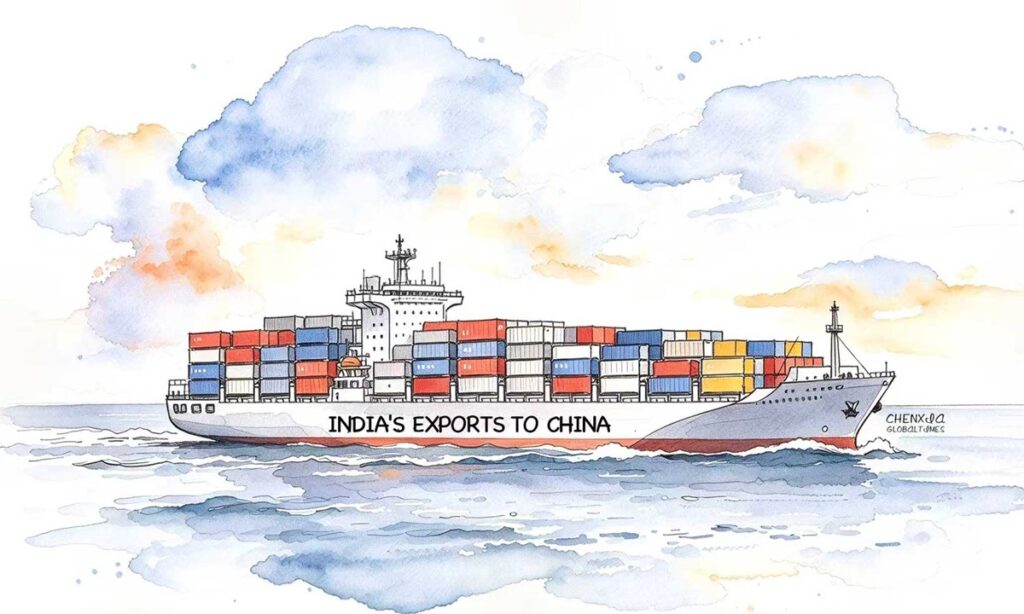
India's exports to China rose 36.62 percent year-on-year to $19.47 billion in the 2025-26 fiscal year, with growth of about 36 percent continuing in the April-September period, according to a Global Times report. The article examines how supply chain complementarity could help India meet Commerce and Industry Minister Piyush Goyal's goal of becoming a major exporter to China and ASEAN. It notes China's imports grew more than 20 percent year-on-year from March through September 2026, with monthly imports topping 2 trillion yuan ($300 billion) in September for the first time.

C.H. Robinson: 5 external forces raise supply chain costs in 2027
Supplier Management

C.H. Robinson: 5 external forces raise supply chain costs in 2027

A 2027 Freight Market Outlook Report from C.H. Robinson—released Oct 14, 2026—identifies five external forces reshaping global supply chains in 2027: transportation regulations, legal and liability changes, capacity growth constraints, extreme weather (including a strong El Niño), and geopolitical tensions. These forces are projected to increase operating costs, disrupt ports and inland networks, and redirect freight flows. The report urges shippers to monitor supply-demand imbalances in real time and adapt strategies continuously. Full findings are available on C.H. Robinson’s website.

2027 Supply Chains Reshaped by Geopolitics, Weather, and 78% Fertilizer Cost Surge
Supplier Management

2027 Supply Chains Reshaped by Geopolitics, Weather, and 78% Fertilizer Cost Surge

C.H. Robinson’s 2027 Freight Market Outlook Report identifies geopolitical conflict, climate disruptions, and regulatory shifts as primary external forces reshaping global supply chains. Input costs have surged 78% for fertilizer and 66% for pesticides since 2020, forcing operational overhauls. The report highlights how conflict in key corridors, trade realignments, and extreme weather are testing long-held logistics assumptions. Bob Carpenter, CEO of GS1 US, noted that geopolitical tension and supply chain disruptions are compelling organizations to transform strategies. The 2024 startup awards drew 400 applications from 12 countries, reflecting growing innovation pressure.

Welcome Back!

Login to your account below

Create New Account!

Fill the forms below to register

Retrieve your password

Please enter your username or email address to reset your password.

Scan to share via WeChat

Open WeChat and scan the QR code to share

QR Code

Add New Playlist