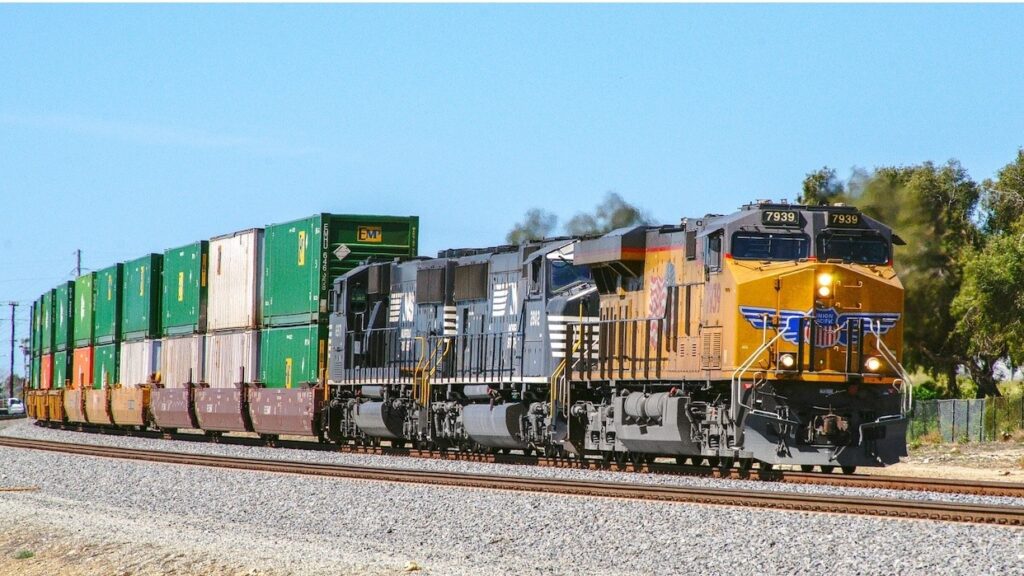
As if C.H. Robinson did not have enough going on with its recent acquisition announcement with RXO, six trucking companies sued the global 3PL as well as Total Quality Logistics in Texas federal court. On September 23, Stevens Trucking, Western Flyer Express, Freymiller, IWX Motor Freight, Christenson Transportation, and E.O.S. alleged the brokers grew by handing loads to carriers that cut costs with forced labor, fake logs, and safety shortcuts. They want lost profits, treble damages, and attorneys’ fees.
What a Civil RICO Case Requires
A civil RICO case lets a business sue over injuries caused by a pattern of serious federal crimes. The Racketeer Influenced and Corrupt Organizations Act targets ongoing criminal enterprises. To win, a plaintiff must prove four things: the defendant conducted or joined an “enterprise”; the defendant committed a “pattern” of racketeering, defined as at least two related crimes within ten years; the enterprise affected interstate commerce; and the plaintiff lost business or property “by reason of” that violation. Wire fraud and forced labor both count as predicate crimes. Winners can collect three times their losses plus attorney fees. Here the carriers say the brokers and certain carrier networks used false electronic bids and forced labor to undercut lawful rates.
The Lost Contracts They Claim
Damages center on lost bids and squeezed margins. Stevens says Armacell and Ford graded most of its 2026 bids 20 percent or more above benchmark. IWX claims about $21 million in missed Driscoll’s linehaul revenue and later scaled back. Western Flyer reports losing nearly all direct Pilgrim’s Pride volume from a Texas plant and failing every lane in a Graphic Packaging bid. Christenson’s revenue fell about 30 percent, from $71 million in fiscal 2023 to $50 million in fiscal 2025. Freymiller lists $51 million in lost sales across 63 customers. E.O.S. points to eroded Graphic Packaging freight from the Texarkana mill. Some say they hauled as subcontractors at a loss just to keep drivers. These motor carriers want those losses tripled under RICO.
Why Anza v. Ideal Steel Matters
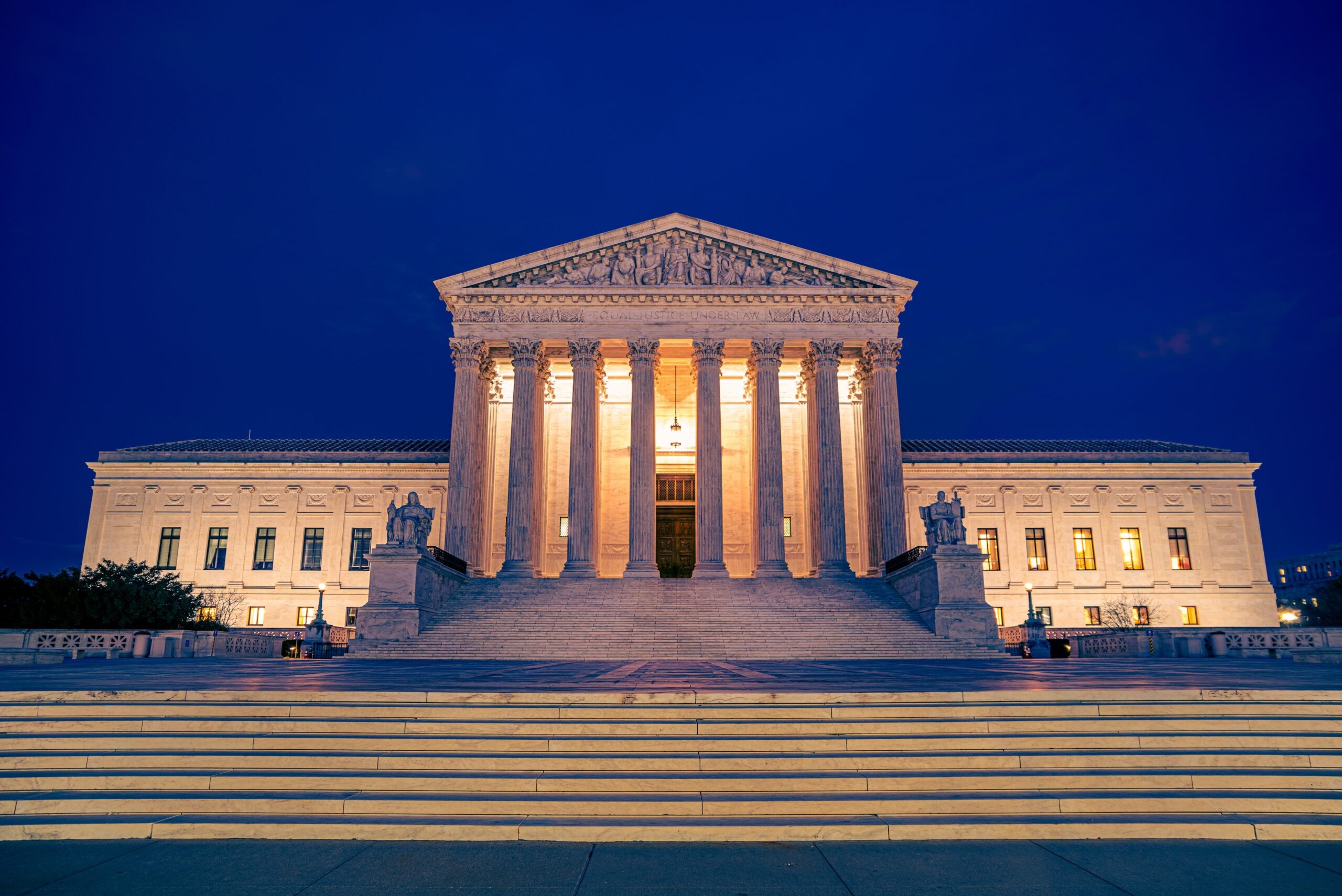
The Supreme Court’s 2006 ruling in Anza v. Ideal Steel Supply Corp. is the key precedent. Ideal Steel sued a rival that allegedly skipped New York sales tax on cash sales. The unpaid tax allowed the rival to charge less and steal customers. The Court said Ideal could not recover under RICO. The direct victim was the state, not the competitor. Lost sales were too indirect. Other factors could explain why buyers chose the cheaJustice Kennedy wrote that RICO needs a direct link between the illegal act and the claimed injury. A plaintiff cannot simply argue the defendant meant to grab market share.
The parallel is plain. The Plaintiff carriers say the brokers’ use of non-compliant carriers produced low bids that cost them lanes with shippers such as Graphic Packaging, Pilgrim’s Pride, Kroger, Driscoll’s, and Ford. The alleged crimes most directly harm drivers, misled shippers, and the public. The carriers’ lost contracts sit further down the chain, much like Ideal’s lost sales. Courts applying Anza often dismiss competitor RICO claims for this reason.
How the Plaintiffs Score on Roadside Inspections
At its core, this case is about allegedly dubious, unsafe motor carrier capacity in the United States. Amid unprecedented levels of public scrutiny over the business of safely delivering freight on time and undamaged, we see a far more energetic Federal Motor Carrier Safety Administration focusing its efforts on this very issue. It does beg the question about the Plaintiff motor carriers’ own safety and maintenance records. Unfortunately, public FMCSA data for the last 24 months shows mixed records.
Driver out-of-service rates are strong and well below the national average of about 6.7 percent: Stevens roughly 1.2 percent, Western Flyer 1.1 percent, Freymiller 0.6 percent, IWX 1.1 percent, Christenson 1.5 percent, and E.O.S. 1.3 percent. Vehicle-maintenance out-of-service rates (national average about 22 percent) vary. IWX is near 8 percent and Freymiller near 18 percent, both better than average. Stevens, Western Flyer, and Christenson run in the mid-to-high 20s. E.O.S. is higher still, around 33 percent. The numbers do not prove the complaint, but they show the plaintiffs may not be free of maintenance issues even while driver compliance looks solid.
What Happens Next
I expect an early motion to dismiss built on Anza. If the court finds the injuries too remote, the RICO counts may fall. False-advertising claims could remain though. Discovery into broker files and shipwould be slow and costly. A settlement is possible if the brokers want to limit scrutiny of their carrier networks, but the causation hurdle is high. That said, this suit may serve as a roadmap to bring similar suits against other large 3PLs. Whether the case survives will turn less on how unsafe the disputed carriers may be and more on whether lost bids by rival trucking companies are the kind of direct injury RICO was written to cover.
Source: FreightWaves
Compiled from international media by the SCI.AI editorial team.