Skip to content

ESG & Regulation · Green Supply Chain

Analysis

Google, Microsoft, DSV join ZEMBA to cut 120,000 tonnes GHG by 2027

Google, Microsoft, and DSV have joined the Zero Emission Maritime Buyers Alliance (ZEMBA) to collectively procure low- and zero-emission shipping services. ZEMBA’s 2027 e-fuel tender — awarded in December 2025 to Hapag-Lloyd and North Sea Container Line — will deploy e-methanol and green ammonia on dedicated routes. The two projects together are expected to avoid approximately 120,000 tonnes of greenhouse gas emissions over three years from 2027. Participants use a book-and-claim system to allocate verified emissions reductions across their Scope 3 supply chains.

Original source: Source information pending

Google, Microsoft, DSV join ZEMBA to cut 120,000 tonnes GHG by 2027

According to splash247.com, Google, Microsoft, and logistics giant DSV have joined the Zero Emission Maritime Buyers Alliance (ZEMBA), a coalition designed to aggregate cargo-owner demand for shipping services powered by low- and zero-emission fuels.

How ZEMBA Drives Decarbonization

ZEMBA pools procurement power from cargo owners to tender for green maritime transport, enabling participating companies to address Scope 3 emissions across their supply chains. The alliance’s first tender was awarded to Hapag-Lloyd, which used liquefied biomethane to deliver contracted emissions reductions. Its subsequent e-fuel tender for 2027 was awarded in December 2025 to Hapag-Lloyd and North Sea Container Line.

ZEMBA members pay a premium for the verified emissions reductions generated by alternative fuels. These environmental benefits are allocated among participants via a book-and-claim system — allowing companies to claim supply-chain emissions cuts even when their individual cargoes do not sail on the specific vessels using the clean fuels.

Green Fuel Deployment and Emissions Impact

Hapag-Lloyd plans to deploy e-methanol on a transoceanic tradelane under its 2027 contract, while North Sea Container Line will use green ammonia on a northern European service. Together, these two projects are expected to avoid approximately 120,000 tonnes of greenhouse gas emissions over three years starting in 2027.

The 120,000 tonnes figure reflects cumulative avoided emissions across the full operational period — not an annual amount. This quantified impact is tied directly to fuel type, vessel deployment scope, and route-specific energy intensity as defined in the contracts awarded in December 2025.

Source: splash247.com

Compiled from international media by the SCI.AI editorial team.
Ask SCI.AI Finished reading? Continue with SCI.AI. Explore the related policy, route, company and historical context. Continue asking
Mexico Customs Proposal Raises Border Delays, Cargo Seizures
ESG & Regulation

Mexico Customs Proposal Raises Border Delays, Cargo Seizures

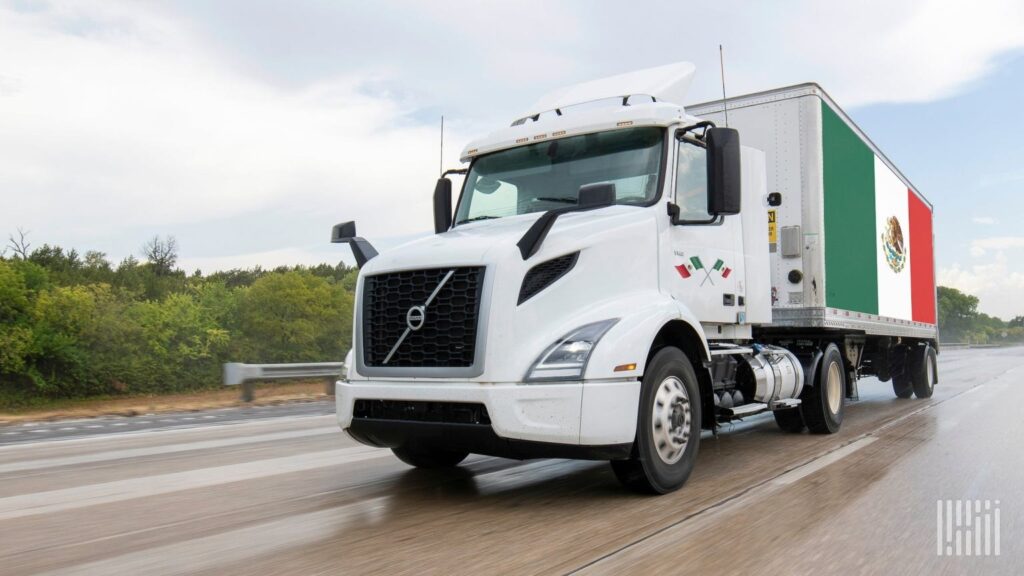
A new Mexican customs proposal set to take effect on January 15, 2027, mandates 72-hour electronic pre-clearance submissions and expands X-ray scanning at 12 major land ports. During an August 2026 trial, cargo seizures rose 27% across five northern customs offices, with one carrier reporting $48,000 in losses. Average trailer dwell times increased by 3.2 hours, prompting warnings from San Diego-based brokers about perishable shipments through Nogales and El Paso. SAT has scheduled mandatory compliance training across 24 Mexican states in Q4 2026.

C.H. Robinson $604M Verdict Drives Carrier Vetting Over Rates
ESG & Regulation

C.H. Robinson $604M Verdict Drives Carrier Vetting Over Rates

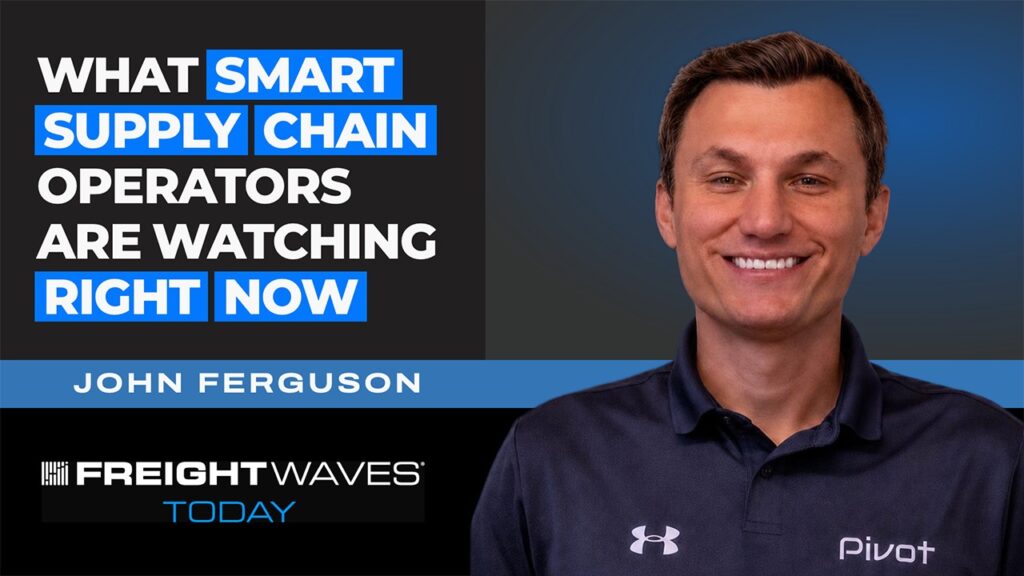
John Ferguson, founder and CEO of Pivot Supply Chain Solutions, reports that shippers now demand full disclosure of carrier vetting systems before discussing rates — a direct response to the $604 million C.H. Robinson verdict where the firm was held 23% liable, matching its $135 million insurance policy. The Northeast led U.S. load-to-truck ratios for 60 days before Washington State produce shifted dominance to the West Coast. Shippers are front-loading Monday–Wednesday pickups and pulling October freight into September, setting up a sharp early-October slowdown. Tender rejection rates moved from 13% to 14%, and brokers are revising language around driver tracking to avoid shared-employee liability.

Egypt launches 8 logistics corridors, handles 233M tonnes in 2025
ESG & Regulation

Egypt launches 8 logistics corridors, handles 233M tonnes in 2025

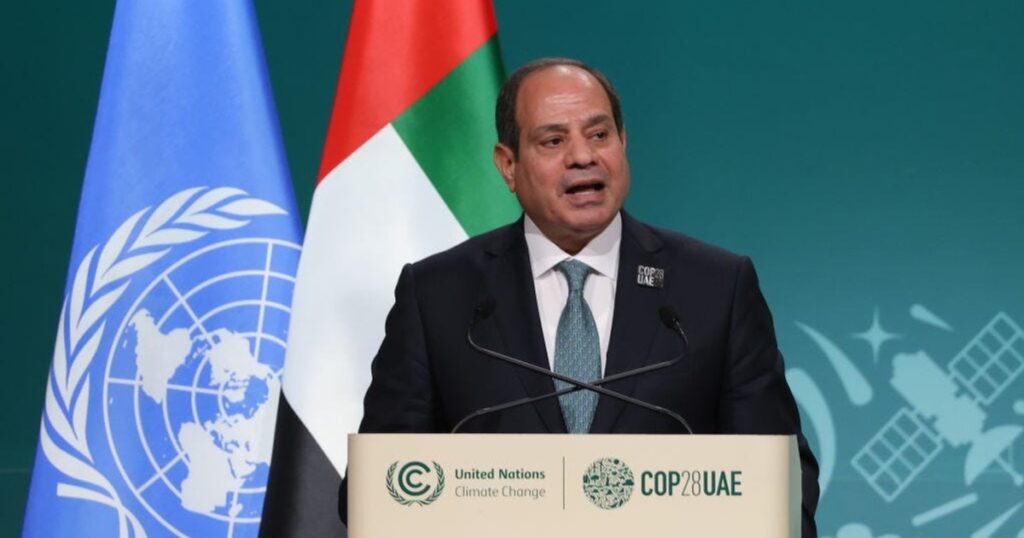
Egypt — North Africa’s largest economy — has launched eight logistics corridors linking its seaports and the Suez Canal to dry ports, industrial zones, agricultural areas, and mining regions. The corridors include Bernice–Aswan–East Oweinat–Kufra–N’Djamena and Cairo–Aswan–Abu Simbel, extending connectivity into Sudan, Libya, Chad, and Central Africa. Egyptian ports handled 233 million tonnes of cargo in 2025 — up 12% year on year — and 11.1 million TEUs, a 25% increase. The government plans five new ports (totaling 19), 100 million square metres of port area, and over 70 km of new berths. Egypt ranks 19th globally and first in Africa on the Liner Shipping Connectivity Index.

Welcome Back!

Login to your account below

Create New Account!

Fill the forms below to register

Retrieve your password

Please enter your username or email address to reset your password.

Scan to share via WeChat

Open WeChat and scan the QR code to share

QR Code

Add New Playlist