Skip to content

South Asia Supply Chain

Analysis

India, China to Hold More Talks Amid $56B Trade Deficit

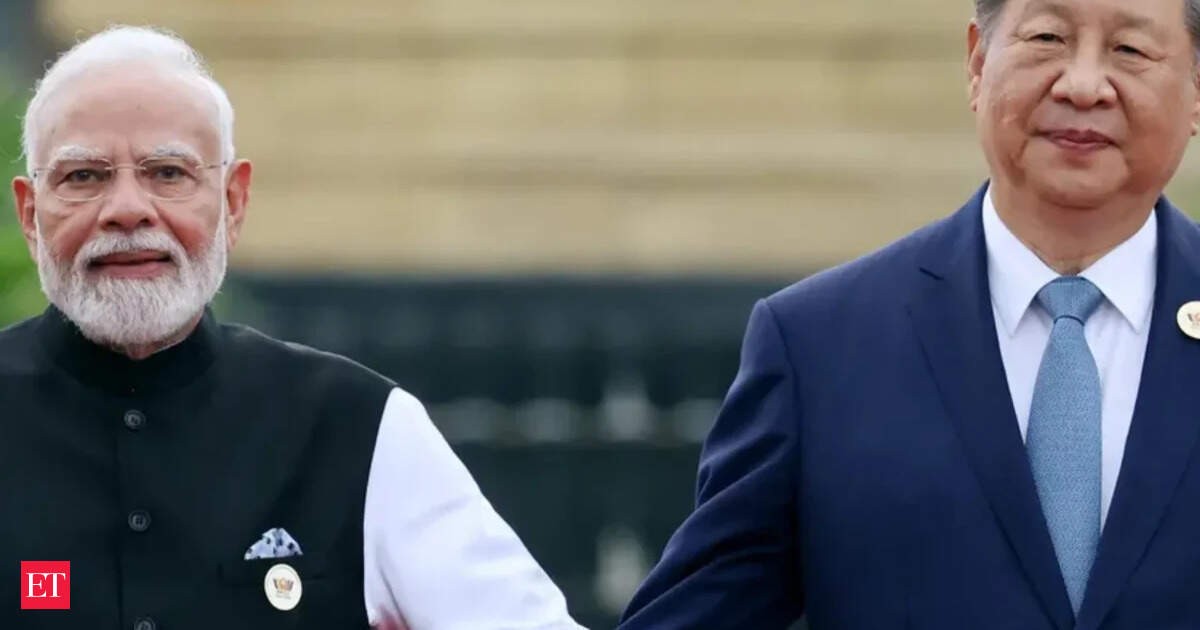
India and China plan further talks to narrow their trade gap and resolve supply-chain concerns, according to commerce secretary Rajesh Agrawal. India’s exports to China rose 39% to $9.61 billion in April–August FY27, yet the trade deficit remained around $56 billion. Engineering goods, electronics, petroleum products, and chemicals all posted double-digit export growth. Discussions followed ministerial meetings at the BRICS summit in New Delhi, where China’s Wang Wentao met India’s Piyush Goyal. Agrawal stressed the focus on structural rebalancing and trust-building across trade, connectivity, and people-to-people ties.

Original source: m.economictimes.com

India, China to Hold More Talks Amid $56B Trade Deficit

Ask SCI.AI about this story

📋 本文要点

India and China plan further talks to narrow their trade gap and resolve supply-chain concerns, according to commerce secretary Rajesh Agrawal. India’s exports to China rose 39% to $9.61 billion in April–August FY27, yet the trade deficit remained around $56 billion. Engineering goods, electronics, petroleum products, and chemicals all posted double-digit export growth. Discussions followed ministerial meetings at the BRICS summit in New Delhi, where China’s Wang Wentao met India’s Piyush Goyal. Agrawal stressed the focus on structural rebalancing and trust-building across trade, connectivity, and people-to-people ties.

According to m.economictimes.com, India and China are preparing for additional bilateral talks to tackle persistent trade imbalances and supply-chain vulnerabilities, with commerce secretary Rajesh Agrawal confirming the discussions are ongoing and likely to continue.

Trade Gap and Export Growth

India’s exports to China rose 39% year-on-year to $9.61 billion during April–August FY27, reflecting targeted growth across key sectors. Engineering goods shipments increased by 20%, electronics by 15%, petroleum products by 13.55%, and chemicals by 10.5%. Despite this expansion, the overall trade deficit with China stood at approximately $56 billion over the same five-month period — underscoring the scale of structural imbalance the two nations aim to recalibrate.

Bilateral Engagement and BRICS Context

The renewed dialogue follows high-level meetings on the sidelines of the BRICS summit in New Delhi last week, where Wang Wentao, China’s Minister of Commerce, met with India’s commerce and industry minister Piyush Goyal. According to Rajesh Agrawal, these are initial discussions guided by political leadership to build mutual trust and advance cooperation in trade. He emphasized that both sides are jointly examining structural issues related to the trade deficit and supply chains — a process intended to be iterative and grounded in practical outcomes.

Strategic Export Diversification

New Delhi is actively pursuing greater market access for Indian products in China as part of a broader effort to diversify and strengthen its export base. The focus includes engineering goods, electronics, petroleum products, and chemicals — categories showing measurable gains in FY27. Agrawal noted that bilateral relations have improved over the past year not only in trade but also in connectivity and people-to-people ties, enabling more constructive engagement on economic issues. “Both sides are working to address trade concerns,” Rajesh Agrawal said, adding that structural issues surrounding the trade deficit and supply chains were being examined and the two sides would continue meeting to work through the issues affecting trade.

Source: m.economictimes.com

Compiled from international media by the SCI.AI editorial team.
Ask SCI.AI Finished reading? Continue with SCI.AI. Explore the related policy, route, company and historical context. Continue asking
Stay ahead of supply chain shifts

One email a week: the stories that matter and new risk events — in English, free.

Prefer RSS? Articles Risk events

Australia eyes India pigeonpea exports as output nears 1M tonnes
South Asia Supply Chain

Australia eyes India pigeonpea exports as output nears 1M tonnes

Australia is set to emerge as a potential new source of pigeonpea (tur) for India, with farmers showing interest in the crop and trade experts pointing to production potential of about 1 million tonnes against current output of a few thousand tonnes. Satish Upadhyay of the India Pulses and Grains Association says Australia has enough land and good quality. India's tur output reached about 35.92 lakh tonnes in 2025-26, but drought in Karnataka and Maharashtra may cut the 2026-27 crop to 20-25 lakh tonnes. Tur imports rose 44 per cent to 5.79 lakh tonnes in January-July 2026.

AIDAN urges India to cap cancer drug prices at source
South Asia Supply Chain

AIDAN urges India to cap cancer drug prices at source

Health action groups in India are pressing the government to regulate the entire pharmaceutical supply chain rather than just retailer margins on cancer drugs. The All India Drug Action Network welcomed the National Pharmaceutical Pricing Authority's 30% cap on hospital and retailer margins but said manufacturer pricing remains the biggest source of profiteering. AIDAN members cited average trade margins of 170%, with some reaching 700%, and warned that about 204 medicines, or 32%, will see no reduction or a cut of only up to 10%. The group is calling for cost-based price control and compulsory licensing for patented anti-cancer medicines.

India auctions 733 mineral blocks but operates only 125
South Asia Supply Chain

India auctions 733 mineral blocks but operates only 125

India has auctioned 733 mineral blocks but only 125 were operational as of August 2026, according to sectoral reviews shared by the coal and mines ministries with states. The Centre says award-to-production intervals exceed seven years for major and critical mineral blocks amid regulatory complexities. Mining contributes over ₹1.9 lakh crore annually to government exchequers, with 90% accruing to states. Concept notes flag extreme import reliance, land acquisition hurdles, uncoordinated state cesses and weak first-mile logistics as core bottlenecks.

Welcome Back!

Login to your account below

Create New Account!

Fill the forms below to register

Retrieve your password

Please enter your username or email address to reset your password.

Scan to share via WeChat

Open WeChat and scan the QR code to share

QR Code

Add New Playlist