Skip to content

Warehousing & Transport

Analysis

California police investigate $70K beer cargo theft after fraudulent pickups

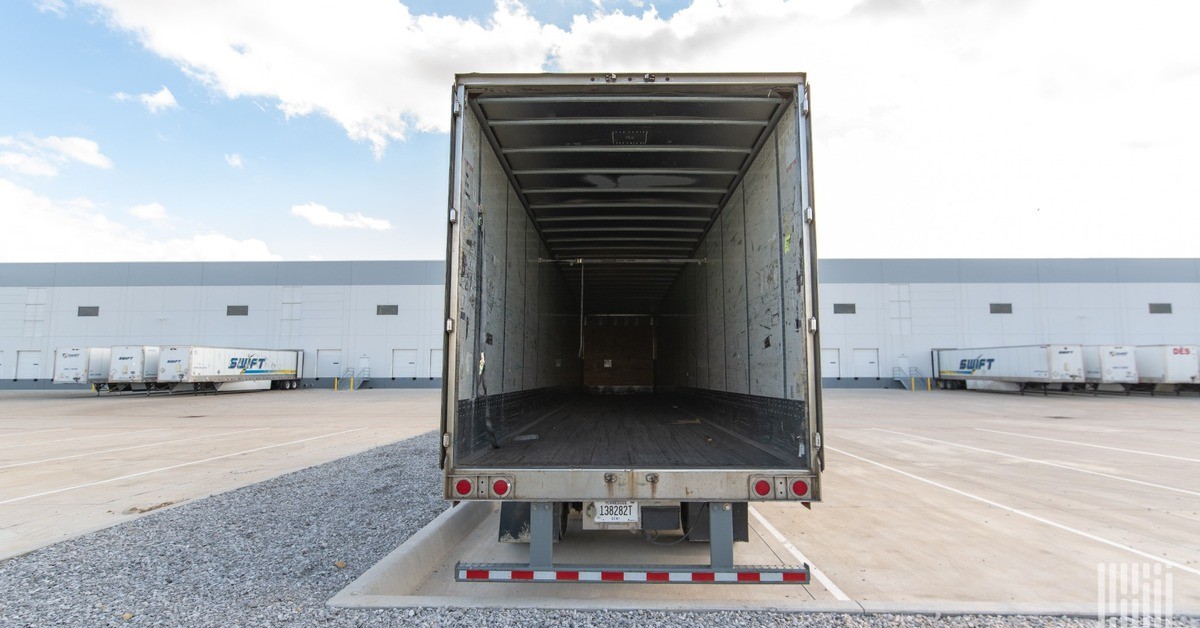
California police are investigating a $70,000 beer cargo theft linked to two fraudulent pickup events. The incident occurred in California and was reported as of August 31, 2026. Investigators identified forged documentation used in both unauthorized dispatches. This case contributes to a 12% year-over-year rise in beverage-related cargo thefts logged under FreightWaves’ Fraud category. It is also included in the Fraud Fighters Awards investigative benchmark dataset.

Original source: Source information pending

California police investigate $70K beer cargo theft after fraudulent pickups

California police are investigating the theft of a beer cargo valued at $70,000 following two fraudulent pickup incidents.

Fraudulent dispatches

According to FreightWaves, law enforcement authorities in California confirmed that perpetrators used forged documentation to arrange unauthorized pickups of the beer shipment. The theft occurred in California, and the investigation is ongoing as of 2026-08-31.

Scope and timeline

The stolen cargo consisted entirely of beer, with a total declared value of $70,000. Two separate fraudulent dispatch events were identified by investigators, both occurring within a single week prior to the report’s publication date. No suspects have been publicly named or arrested to date.

Industry implications

This incident highlights vulnerabilities in freight verification protocols for high-value consumer goods shipments. The Fraud category on FreightWaves has recorded a 12% year-over-year increase in reported cargo theft cases involving beverage logistics in North America. The case is now part of the broader Fraud Fighters Awards investigative benchmark dataset.

Source: FreightWaves

Compiled from international media by the SCI.AI editorial team.
Ask SCI.AI Finished reading? Continue with SCI.AI. Explore the related policy, route, company and historical context. Continue asking
Heritage Grocers Appoints Adrian Castañeda as Chief Logistics Officer
Warehousing & Transport

Heritage Grocers Appoints Adrian Castañeda as Chief Logistics Officer

Heritage Grocers Group appointed Adrian Castañeda as chief logistics officer, effective August 2026. Castañeda brings more than 18 years of internal experience, having served as warehouse manager for Cardenas Markets and most recently as SVP of supply chain. In his new role, he leads transportation, distribution, and supply chain operations across the Hispanic and ethnic food retail group. The appointment was announced in an August 26 press release and published August 31, 2026.

Port Congestion Absorbs 2.3M TEU as Global Schedule Reliability Drops to 56.4%
Warehousing & Transport

Port Congestion Absorbs 2.3M TEU as Global Schedule Reliability Drops to 56.4%

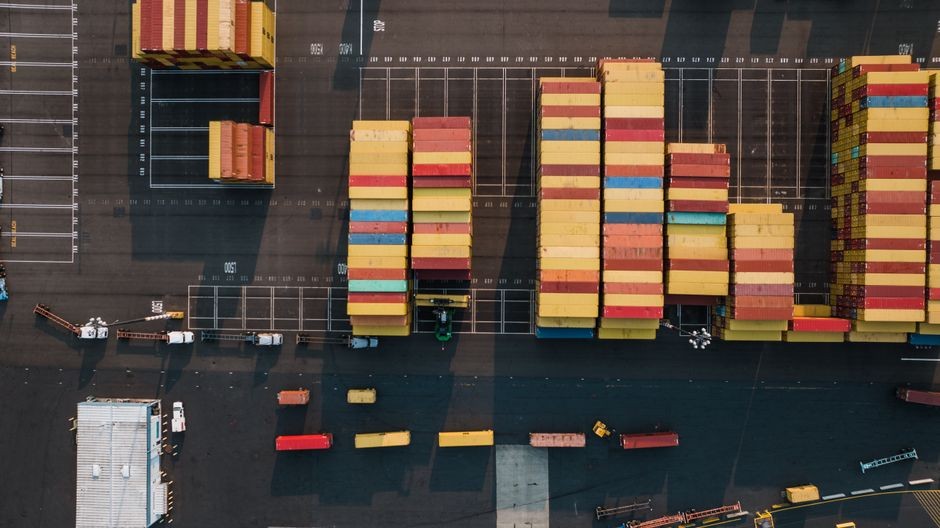
Port congestion is absorbing 2.3 million TEU of container ship capacity — equal to the world’s sixth-largest carrier — while global schedule reliability has plummeted to 56.4%, the lowest since early 2021. Sea-Intelligence reports 6.6% of the global fleet is effectively idle, up from 5% in June and triple the pre-pandemic 2.2% baseline. In Asia, Shanghai’s reliability fell to 21%, Ningbo to 34.6%, and Singapore to 43.2%. With 19% of Asia-Europe capacity already returning to the Suez Canal, a full normalization could cut global head-haul TEU-mile demand by 8.7% in early 2027 — despite 6.6% underlying container demand growth.

Nepal Floods Disrupt $9.38B India Trade, Stranding 16 km of Trucks
Warehousing & Transport

Nepal Floods Disrupt $9.38B India Trade, Stranding 16 km of Trucks

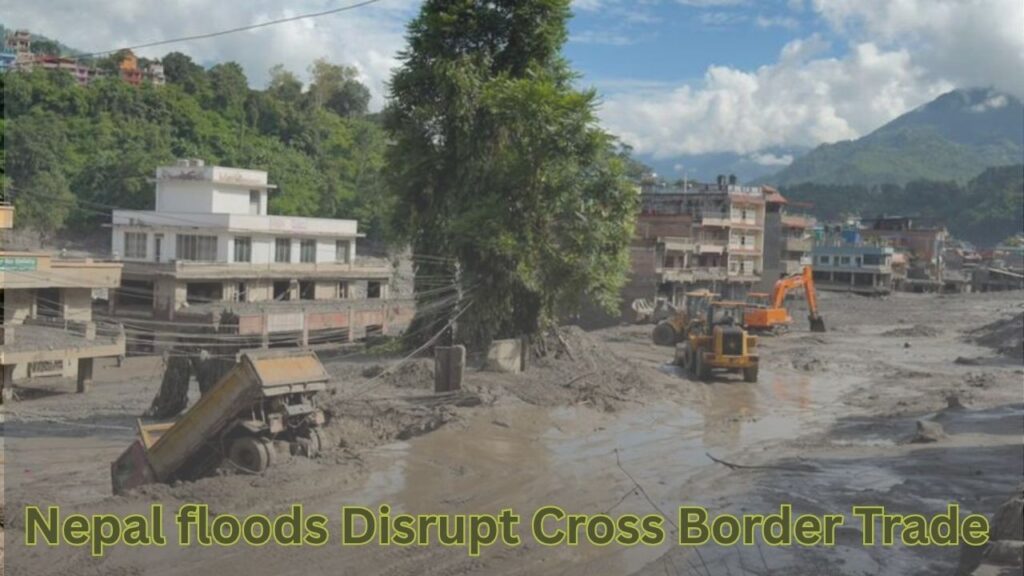
Flash floods in Nepal have stranded a 16 km queue of Indian cargo trucks at the Sonauli border, disrupting a $9.38 billion bilateral trade relationship that accounts for over 60% of Nepal’s total external goods trade. Key impacted sectors include petroleum ($2.2 billion in 2025), iron and steel ($724 million), automobiles ($479 million), machinery ($506 million), cereals ($410 million), and pharmaceuticals ($250 million). The crisis exposes structural vulnerabilities tied to Nepal’s landlocked geography and overreliance on just a few road corridors — underscoring urgent needs for multimodal connectivity and disaster-resilient border infrastructure.

Welcome Back!

Login to your account below

Create New Account!

Fill the forms below to register

Retrieve your password

Please enter your username or email address to reset your password.

Scan to share via WeChat

Open WeChat and scan the QR code to share

QR Code

Add New Playlist