Skip to content

Manufacturing · Supply Chain

China-Europe Freighter Capacity Down 28% After EU €3 Duty

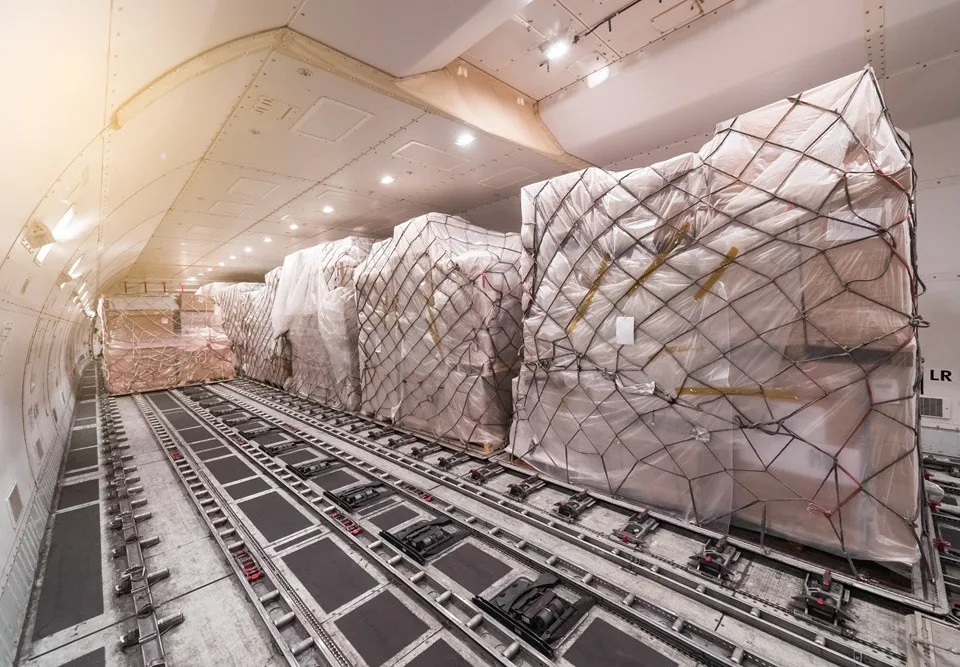
China-to-Europe freighter capacity has fallen 28% since June, driven by the EU’s €3 customs duty on low-value parcels introduced on 1 July. E-commerce imports into Europe dropped 24% in July, prompting an immediate 10% capacity cut. Regional declines were severe: Madrid (78%), Budapest (58%), and Ürümqi (72%). Utilisation for converted Boeing 747-400Fs fell 13.8%. Despite volume pressure, rates on key China–Europe lanes have firmed. Rotate projects possible recovery within 12 months, referencing U.S. and Brazilian de minimis phaseouts.

Original source: Source information pending

China-Europe Freighter Capacity Down 28% After EU €3 Duty

According to Air Cargo News, China-to-Europe freighter capacity has fallen by 28% compared to June levels, following the European Union’s introduction of a €3 customs duty on low-value parcels from outside the EU on 1 July.

E-commerce Imports and Immediate Capacity Impact

E-commerce imports into Europe dropped 24% in July versus June, triggering an immediate 10% reduction in direct China-Europe freighter capacity relative to June. Rotate, the analytics firm cited in the report, stated that freighter capacity remains consistently 28% below June levels and shows “no clear sign of recovery”.

Freighter Utilisation and Regional Declines

Global freighter utilisation has declined overall, as most lost capacity has not been redeployed elsewhere. For converted Boeing 747-400Fs — typically used for ad hoc operations — utilisation is down 13.8%. The steepest drops occurred at e-commerce gateways: Madrid fell 78%, Budapest 58%, and Liege 35%. In China, Ürümqi Tianshan International Airport saw a 72% decline, while Hong Kong dropped 28%.

Rate Firmness Amid Volume Pressure

Despite volume pressure from the EU customs duty, freight rates on the busiest lanes out of China to Europe have become firmer, according to the latest TAC Index data. The report notes that rerouting to transpacific routes has been limited and insufficient to offset broader capacity losses.

Recovery Outlook and Parallel Cases

Rotate suggests e-commerce shipping may recover within 12 months, citing precedent from other markets. The United States ended de minimis treatment for shipments from China and Hong Kong on 2 May 2025 and globally on 29 August 2025; Brazil ended de minimis on 1 August 2024.

Source: Air Cargo News

Compiled from international media by the SCI.AI editorial team.

Ask SCI.AI Finished reading? Continue with SCI.AI. Explore the related policy, route, company and historical context. Continue asking
Gatik raises $200M to scale autonomous trucking across North America
AI & Automation

Gatik raises $200M to scale autonomous trucking across North America

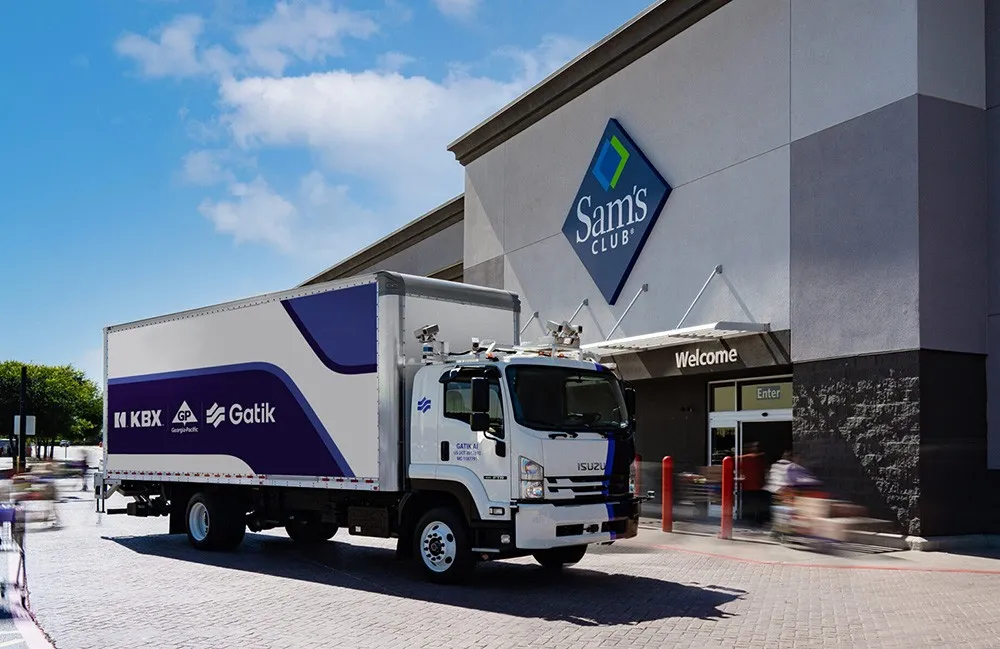
Gatik AI Inc. has raised $200 million in Series D funding to scale autonomous trucking across Fortune 50 supply chains. The Mountain View, Calif.-based company reports $600 million in contracted revenue, 85,000 fully driverless orders, and 99% on-time delivery. Its autonomous trucks operate across Texas, Arizona, and Arkansas for PepsiCo — a partnership launched in 2022. Led by Qatar Investment Authority and Koch Disruptive Technologies, the round includes Millennium Management, ARK Invest, and Intact Private Capital. Gatik’s AI-first AVs serve high-frequency regional routes linking distribution centers and stores across North America.

Gatik raises $200M to scale autonomous trucking operations
AI & Automation

Gatik raises $200M to scale autonomous trucking operations

Gatik AI Inc. has raised $200 million in Series D funding to accelerate driverless commercial freight across Fortune 50 retail, CPG, and grocery supply chains. The Mountain View–based company reports $600 million in contracted revenue, 85,000 fully driverless orders, and 99% on-time delivery. Its autonomous trucks operate across North America, serving clients including PepsiCo—with deployments since 2022 in Texas, Arizona, and Arkansas—and Kroger, Tyson Foods, and Georgia-Pacific. Qatar Investment Authority and Koch Disruptive Technologies co-led the round, joined by Millennium Management, ARK Invest, and Intact Private Capital.

Maersk shifts pricing to track market, avoids $15.8bn loss
Strategy & Planning

Maersk shifts pricing to track market, avoids $15.8bn loss

Maersk has shifted its container freight pricing strategy to closely track market rates — a reversal from its pandemic-era approach, which delayed passing on surges and cost an estimated $15.8bn in lost revenue. Using Q4 23 as a baseline, Sea-Intelligence found Maersk’s rates now mirror the Container Trade Statistics global average, especially during the Red Sea disruption cycle beginning in late 2023. The consultancy confirmed the change is structural, not transient, enabling Maersk to capture revenue upside during sudden rate spikes without sacrificing downside protection.

Welcome Back!

Login to your account below

Create New Account!

Fill the forms below to register

Retrieve your password

Please enter your username or email address to reset your password.

Scan to share via WeChat

Open WeChat and scan the QR code to share

QR Code

Add New Playlist