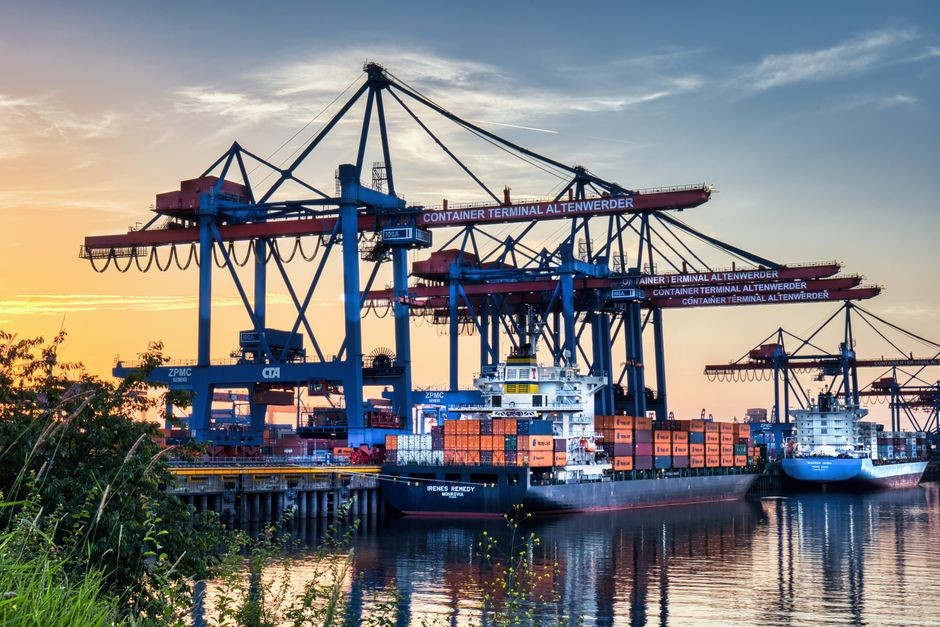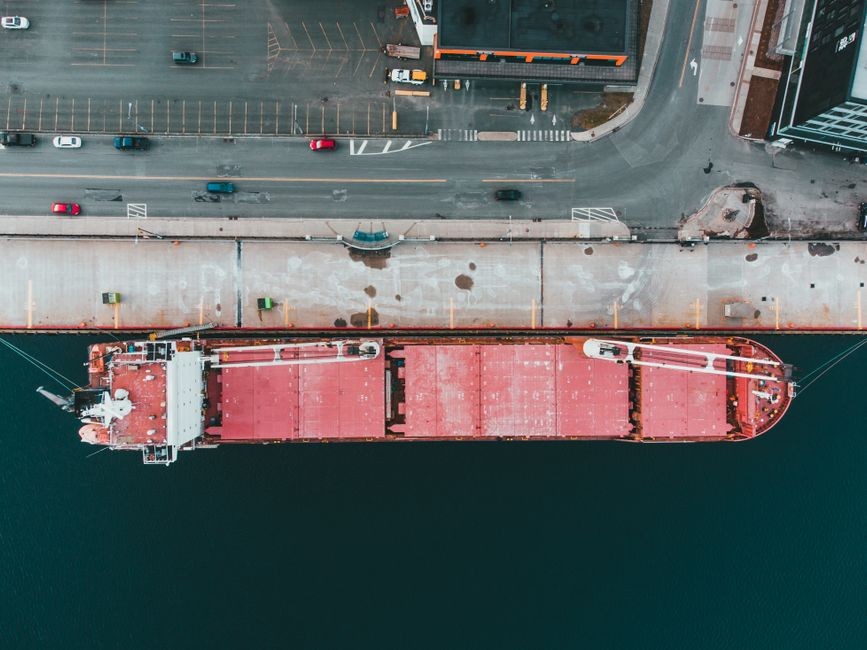
The port may see a 5% volume uptick amid Red Sea and Panama Canal concerns and is readying itself for the scenario in talks with operating partners.
Volume surge driven by global route diversions
Shippers are diverting cargo to the West Coast to avoid disruptions linked to the Red Sea and Panama Canal, contributing to anticipated growth at the Port of Los Angeles. This shift follows increased vessel delays, insurance cost hikes, and rerouting expenses tied to regional instability. The port’s projected 5% volume increase reflects near-term adjustments rather than structural demand growth, assessments conducted in August 2026.
Preparations underway with terminal operators
The Port of Los Angeles is engaging in active coordination with its terminal operating partners to scale labor scheduling, extend gate hours, and allocate additional chassis and yard space. These measures target throughput capacity ahead of peak season, which historically begins in September. Discussions include contingency plans for potential congestion spikes if more carriers shift trans-Pacific sailings away from East Coast ports.
Risk landscape shaping logistics decisions
Ongoing volatility in key maritime corridors — including armed conflict in the Red Sea and drought-related draft restrictions in the Panama Canal — continues to influence carrier routing and shipnegotiations. report, shippers are renegotiating service contracts with clauses that account for transit time variability and fuel surcharge triggers tied to specific geographic risk thresholds.
Source: Supply Chain Dive
Compiled from international media by the SCI.AI editorial team.