According to asia.nikkei.com, Japan has successfully recovered rare earth elements—including yttrium and dysprosium—from deep-sea mud located in the Pacific Ocean near Minamitorishima Island.
High-grade deposits confirmed offshore
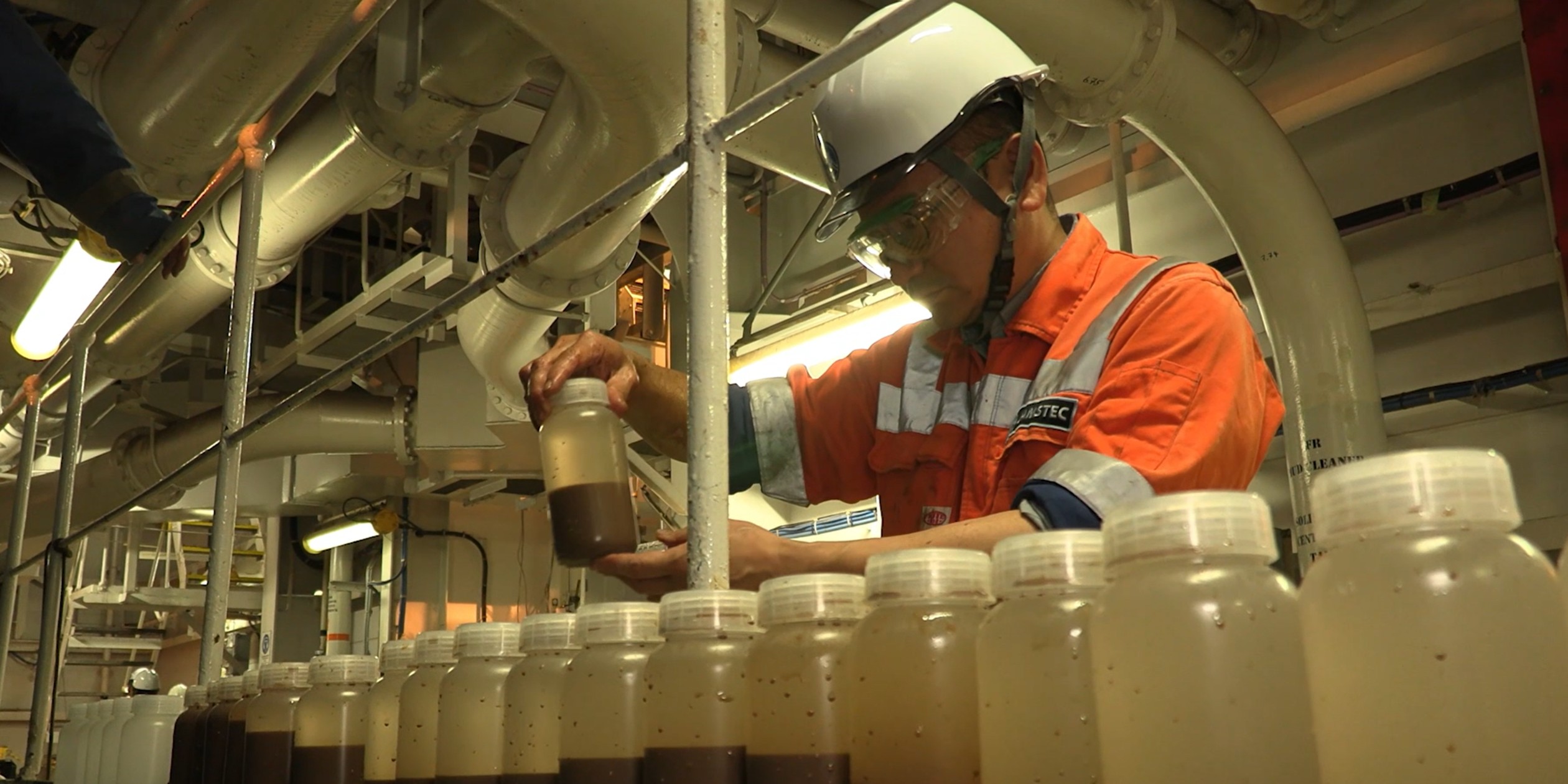
Mud samples retrieved from the seabed approximately 2,000 meters below the surface near Minamitorishima—a remote Japanese island about 1,850 kilometers southeast of Tokyo—were found to contain yttrium concentrations of 1,000 parts per million (ppm). This level significantly exceeds typical land-based ore grades and confirms the deposit’s exceptional richness. The extraction test was conducted by Japan’s Agency for Marine-Earth Science and Technology (JAMSTEC) and the Shipboard Scientific Party (SIP). According to the report, the same sediment also yielded economically relevant quantities of dysprosium, a critical heavy rare earth used in high-performance permanent magnets for electric vehicles and wind turbines.
Commercialization remains distant
Despite the promising assay results, the source states that scaling the operation faces major technical and economic barriers. Deep-sea mining requires remotely operated vehicles capable of operating at extreme pressures, energy-intensive separation processes, and environmentally sensitive handling protocols. A JAMSTEC official noted that current recovery costs are prohibitively high:
“The process may be too costly to reduce reliance on China.”
As of July 2026, no commercial-scale pilot facility is operational, and full deployment is not projected before the late 2030s. Japan’s Ministry of Economy, Trade and Industry (METI) has allocated ¥15 billion over five years to advance seabed rare earth R&D, but this represents less than 0.3% of Japan’s total annual mineral import budget.
Strategic diversification accelerates
Japan’s seabed initiative forms part of a broader national strategy to reduce dependence on Chinese rare earth supplies, which account for over 90% of global refined output. In parallel, Toyota Tsusho is expanding rare metal recycling capacity domestically, while Shin-Etsu Chemical plans to launch Japan’s first rare-earth smelter by 2027. International partnerships are also intensifying: Japan and France signed a joint rare earths framework in Q2 2025, and Tokyo has initiated exploratory talks with Greenlandic authorities regarding terrestrial mining rights. Meanwhile, a recent industry survey showed rare-earth procurement costs for Japanese manufacturers surged by more than 20% year-on-year in early 2026.
Source: Nikkei Asia
Compiled from international media by the SCI.AI editorial team.