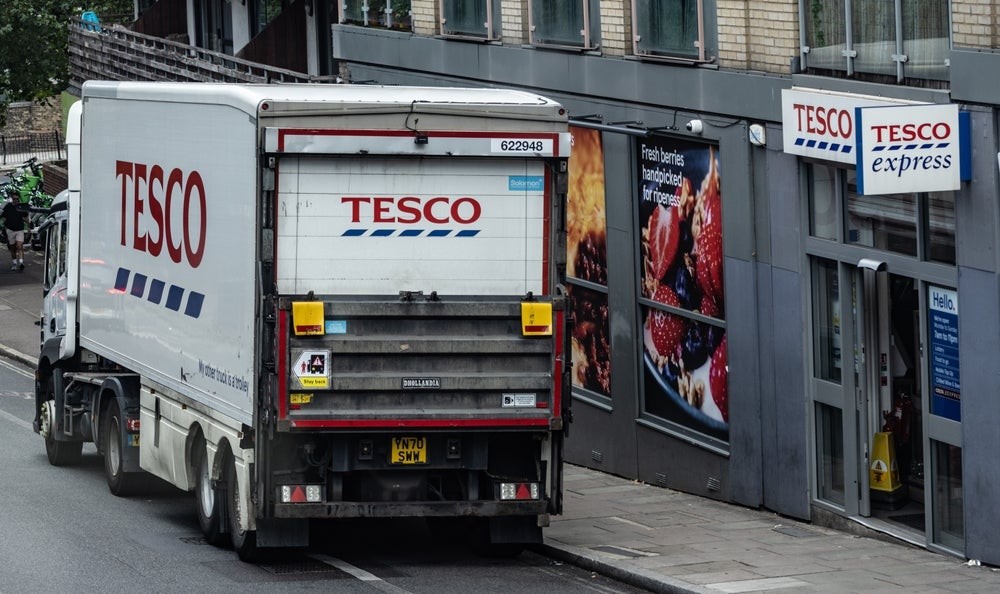
According to retail-insight-network.com, more than 3,000 Tesco distribution workers are voting on potential strike action over pay and working conditions — raising immediate concerns for the UK supermarket’s supply chain resilience.
Ballot targets critical logistics workforce
The industrial action ballot, organized by the Unite trade union, covers warehouse staff responsible for order preparation and product movement from distribution centres to Tesco stores across the United Kingdom. These workers form the operational backbone of Tesco’s logistics network: without timely dispatches, store shelf replenishment falters, especially for fast-moving consumer goods requiring daily or twice-daily restocking.
Unite has warned that sustained disruption could result in empty shelves — a direct consequence of halted or reduced warehouse throughput. The union emphasized that resolution remains possible through negotiation, stating:
“There is still an opportunity to resolve the dispute through negotiations.” — Unite trade union
Tesco has not confirmed that strike action will occur; any impact hinges on the ballot outcome, timing of potential action, and the company’s contingency planning for its distribution network.
Supply chain vulnerability exposed
This dispute underscores how tightly modern supermarket performance depends on behind-the-scenes logistics personnel. Tesco operates a highly synchronized supply chain with minimal buffer inventory — a model increasingly standard across major UK retailers. Delays at even one regional distribution centre can cascade into stockouts across dozens of stores within 48 hours.
According to the report, distribution centres serve as the vital link connecting suppliers, transport providers, and retail outlets. When operations slow, the effects are felt most acutely in perishable categories (fresh produce, dairy, meat) and high-turnover staples (bread, beverages, household essentials). Labour disputes involving transport and distribution workers have previously triggered similar availability issues across the UK retail sector — including during strikes affecting Royal Mail and road haulage firms in 2024 and 2025.
Broader implications for retail logistics
The timing amplifies pressure on supply chain professionals. As consumers demand seamless omnichannel fulfilment — with same-day delivery and click-and-collect options now table stakes — reliability of warehouse labour has become a strategic priority, not just an HR concern. Tesco’s distribution workforce handles orders for both physical stores and online channels, meaning any strike would affect two parallel sales streams simultaneously.
The source states that global retailers watching the UK market view this episode as a cautionary signal: supply chain resilience cannot be engineered solely through automation or AI-driven forecasting if human capacity at critical nodes remains under strain. Practitioners note that while Tesco has invested in warehouse automation and route optimization tools, those systems still require skilled operators, supervisors, and maintenance technicians — roles directly implicated in the current dispute.
Unite’s position reflects broader industry trends. Across Europe, logistics unions have escalated bargaining over shift patterns, mandatory overtime, and real-term wage erosion amid persistent inflation. In the UK specifically, average distribution worker wages have fallen 6.2% in real terms since 2022, according to official Office for National Statistics data cited in related GlobalData analyses.
Tesco’s path forward
Tesco has not disclosed whether it has activated contingency plans — such as temporary agency staffing, cross-depot redeployment, or accelerated inbound deliveries ahead of a potential walkout. The company’s ability to absorb disruption will depend on inventory levels at individual stores, proximity to alternative distribution hubs, and coordination with key suppliers like Greencore and 2 Sisters Food Group, which supply ready meals and chilled products respectively.
Any industrial action would likely occur in late July 2026 or early August, following the conclusion of the ballot period initiated on July 24, 2026. Should talks resume successfully, Unite has indicated willingness to pause the ballot process — but only upon receipt of concrete proposals addressing core grievances around base pay, weekend premium rates, and roster stability.
Source: retail-insight-network.com
Compiled from international media by the SCI.AI editorial team.