According to www.businesstimes.com.sg, former U.S. President Donald Trump announced a 100% import duty on generic pharmaceuticals, effective August 2028 — granting manufacturers a two-year window to relocate production to the United States.
Phased tariff escalation
The levy will double to 200% in August 2029. Trump outlined the policy in a social media post on July 21, 2026, framing it as a tool to compel domestic investment. “This is done in order to RESHORE Generic Pharmaceutical Production into America, with a penalty to those Companies that decide not to build Plant and Equipment within the stated period of time given to them,” he wrote.
The administration’s approach mirrors prior trade tactics: delayed implementation paired with looming penalties to pressure concessions. A separate set of emergency tariffs — an across-the-board rate of 10% — is scheduled to expire on Friday, July 24, 2026, with new levies expected before week’s end citing alleged forced labor violations.
Impact on India’s pharmaceutical exports
India faces the most acute exposure. As the largest exporter of generic medicines to the U.S., India shipped US$10.5 billion worth of pharmaceuticals to the American market between 2024 and 2025, according to India’s Ministry of Commerce. Pharmaceuticals rank among India’s top three exports to the U.S., and duties would adversely affect over 40% of India’s total exports to the country — compounding existing tariffs on steel, aluminum, and automobiles.
A February 2026 bilateral trade pact included a provision stating India would “receive negotiated outcomes with respect to generic pharmaceuticals and ingredients.” However, the scope and enforceability of that commitment remain uncertain amid the new tariff threat.
Supply chain constraints for generic manufacturers
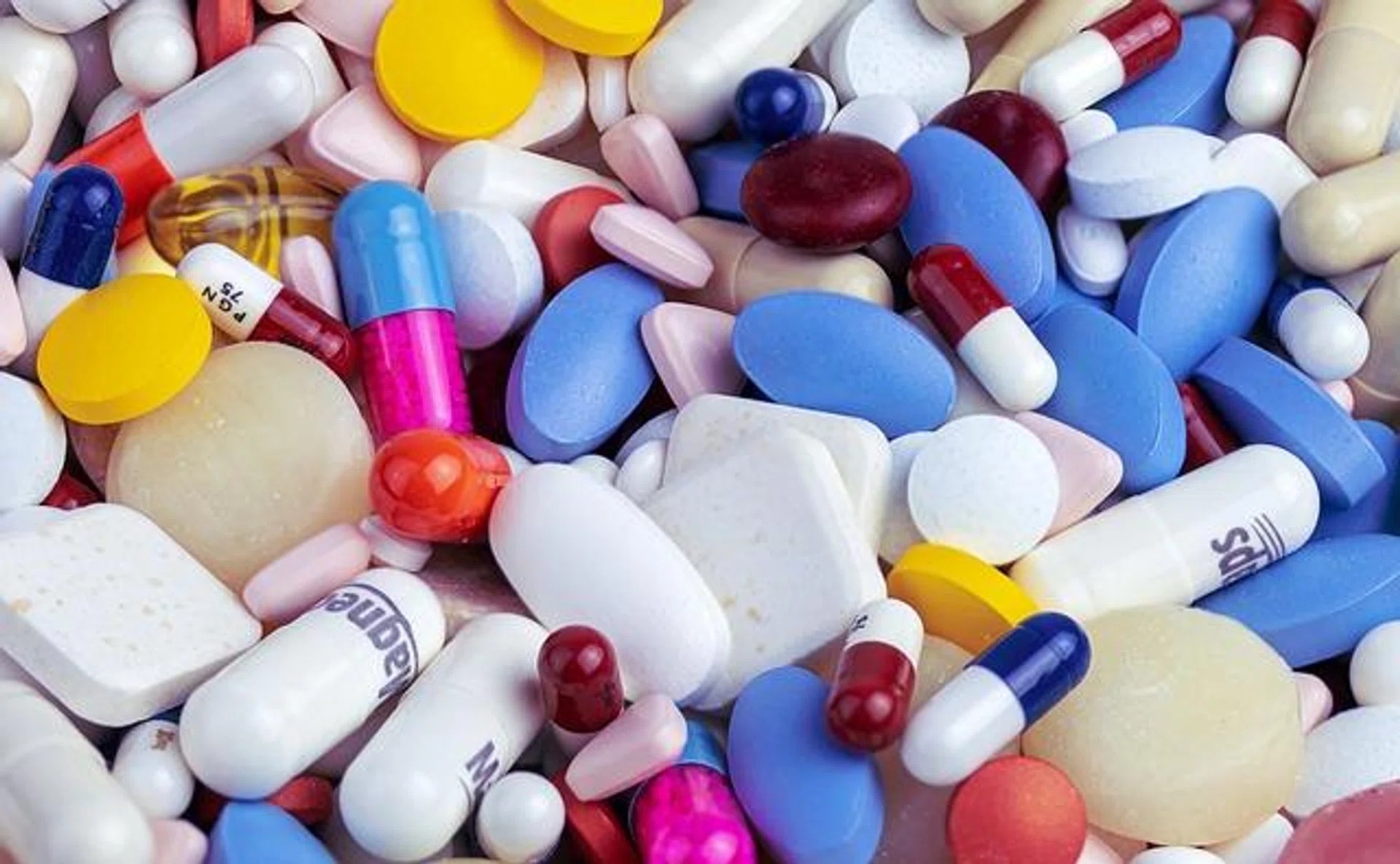
Unlike originator drugmakers, generic producers operate on razor-thin margins and depend on globally distributed manufacturing. Sandoz Group, Teva Pharmaceutical Industries, and Viatris — three of the world’s largest generic firms — rely heavily on facilities outside the U.S., including plants in Canada and Austria. Sandoz CEO Richard Saynor warned in 2025 that steep U.S. tariffs would likely raise drug prices and restrict patient access.
U.S. prescriptions for common therapies are already highly concentrated in Indian supply chains. According to Symphony Health data cited by Bloomberg News, roughly 65% of all oral contraceptive pill prescriptions filled in the U.S. in 2024 were manufactured by just two India-based companies: Glenmark Pharmaceuticals and Lupin. Hypertension and depression treatments also feature prominently on the list of at-risk medications.
Regulatory and legal context
The tariff initiative follows a national security probe launched in April 2025 under Section 232 of the Trade Expansion Act — the same statutory authority used to justify steel and aluminum tariffs. While Trump confirmed his administration’s plans for patented drugs remain unchanged, the generic sector was explicitly singled out for punitive treatment due to its structural vulnerability.
This move comes amid broader legal challenges: the U.S. Supreme Court ruled earlier in 2026 that Trump’s prior emergency duties were unlawful, prompting the White House to develop replacement measures grounded in alternative statutory justifications, including labor standards enforcement.
Source: businesstimes.com.sg
Compiled from international media by the SCI.AI editorial team.