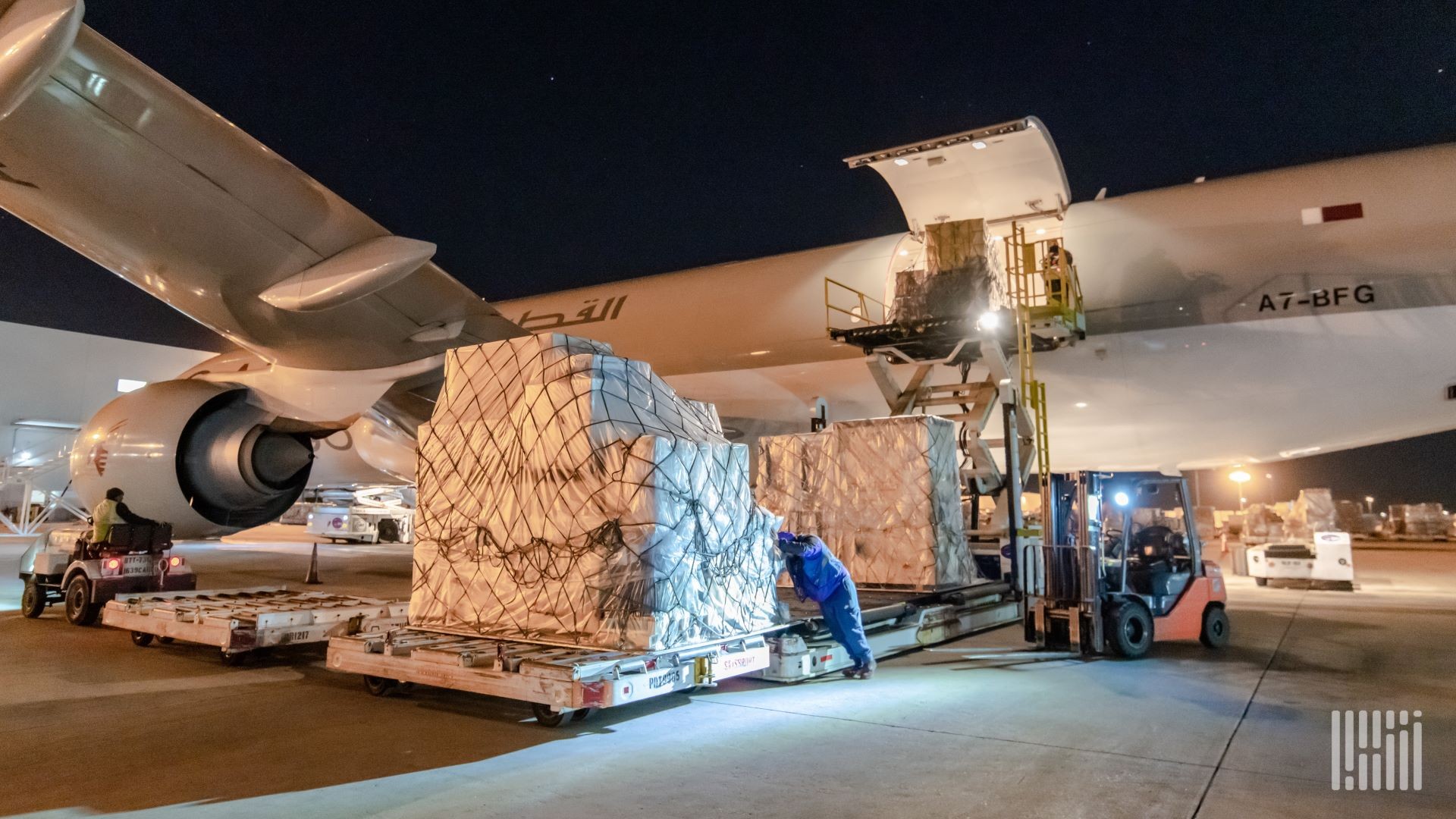
According to FreightWaves, the International Air Transport Association’s revised direct air waybill framework took effect on July 1, 2026, shifting liability for misdeclared dangerous goods, unsafe packaging, and shipping errors from shippers to freight forwarders — a change trade associations warn was implemented with insufficient consultation and poses significant insurance and operational risks.
Liability Shift Under New IATA Framework
The new IATA guidelines require freight forwarders to assume contractual responsibility when issuing direct air waybills — legally binding transport documents that name the forwarder as shipper, even when they neither own, pack, nor control the cargo. This arrangement applies particularly to high-risk shipments including lithium batteries, perishables, and urgent consignments. As Matthew Phillips, chief commercial officer at digital cargo insurer Breeze, stated:
“Without a doubt, this represents a significant reallocation of risk.”
The rule replaces prior practice where forwarders issued “house” air waybills to customers and airlines issued master air waybills for consolidated shipments — maintaining clear separation of liability.
Inconsistent Implementation Across Airlines
Implementation is already fragmented: while the framework officially launched on July 1, 2026, some airlines have publicly stated they will not adopt it on that date, creating uncertainty for forwarders operating globally. The International Federation of Freight Forwarders Associations (FIATA) formally requested IATA postpone the effective date to October 1, 2026 to allow time for legal, operational, and insurance impact assessments. According to FIATA, the lack of harmonization means forwarders must now verify contractual terms individually with each airline before tendering cargo — a process that introduces delays and administrative burden across multiple jurisdictions.
Insurance Coverage Under Review
Existing freight forwarder liability policies were designed to cover forwarder-specific risks — such as errors, omissions, or negligence in arranging transport — not obligations traditionally borne by shippers, like proper hazardous materials declaration or packaging compliance. Brandon Fried, executive director of the Airforwarders Association, emphasized:
“Freight forwarders should not be expected to assume liability for cargo they neither own, pack, nor control.”
Insurers are now reviewing underwriting models, policy terms, and pricing structures as the practical implications of the new framework become clearer. Forwarders are advised to consult insurers before accepting shipments under the revised terms — a step Fried described on FreightWaves Today as essential:
“Your insurance agent should be your new best friend. You should be sitting down with your insurance people and understand what your liability is, your contractual obligations and where your coverage may lie.”
Root Cause: E-commerce Growth and Dangerous Goods Risks
IATA justified the change in its November 2025 issue of Airlines magazine, citing rising B2C e-commerce shipments containing undeclared or mislabeled dangerous goods — especially lithium batteries — which pose fire hazards and regulatory exposure. The association argued that forwarders often list the originating shipper in the shipper field of direct air waybills rather than their own name, obscuring accountability. This practice, IATA said, leaves carriers without a vetted commercial counterparty — complicating recourse in incidents involving financial insolvency, regulatory noncompliance, or criminal history. Though no major incident linked specifically to a direct air waybill has been publicly confirmed, insurers and forwarders cite growing difficulty in assigning blame amid co-loaded, multi-source e-commerce consignments.
Source: FreightWaves
Compiled from international media by the SCI.AI editorial team.