According to biz.chosun.com, Hyundai Mobis has invested more than 5 trillion won (approximately $3.7 billion) in research and development since 2023 and reported cumulative payments of 157 trillion won to its supply chain partners over the past three years.
Sustainability Report 2026 details ESG commitments
Hyundai Mobis published its Sustainability Report 2026 on June 29, 2026 — the thirteenth annual edition since its launch in 2010. The report outlines measurable progress across environmental, social, and governance (ESG) pillars, with explicit targets for emissions reduction, renewable energy adoption, and supplier engagement. It documents a 32.8% total shareholder return (TSR) for the prior fiscal year — exceeding the company’s internal target — and confirms that 29% of its energy consumption came from renewable sources as of 2025.
Supply chain co-prosperity and Scope 3 decarbonization
The report identifies supply chain resilience and shared growth as central to Hyundai Mobis’ sustainability strategy. Despite headwinds including slowing electric vehicle demand, the company expanded its management system for greenhouse gas emissions to cover Scope 3 emissions across primary, secondary, and tertiary suppliers — a scope extending beyond direct operations. To support partners, Hyundai Mobis conducts ESG assessments, delivers tailored consulting, and funds carbon-reduction facility upgrades. These efforts align with South Korea’s national net-zero roadmap and growing global regulatory expectations, including the EU’s Corporate Sustainability Due Diligence Directive (CSDDD).
R&D scale and intellectual property growth
Since 2023, Hyundai Mobis has allocated over 5 trillion won to R&D — a figure confirmed in the report and representing sustained investment amid industry-wide cost pressures. This funding has driven innovation in future mobility technologies, including advanced driver-assistance systems (ADAS), hydrogen fuel cell components, and software-defined vehicle architecture. As a result, the company has accumulated more than 10,000 patents. Its R&D intensity remains among the highest in the Korean auto parts sector, reflecting strategic prioritization of core technology sovereignty.
Renewable energy transition and governance reforms
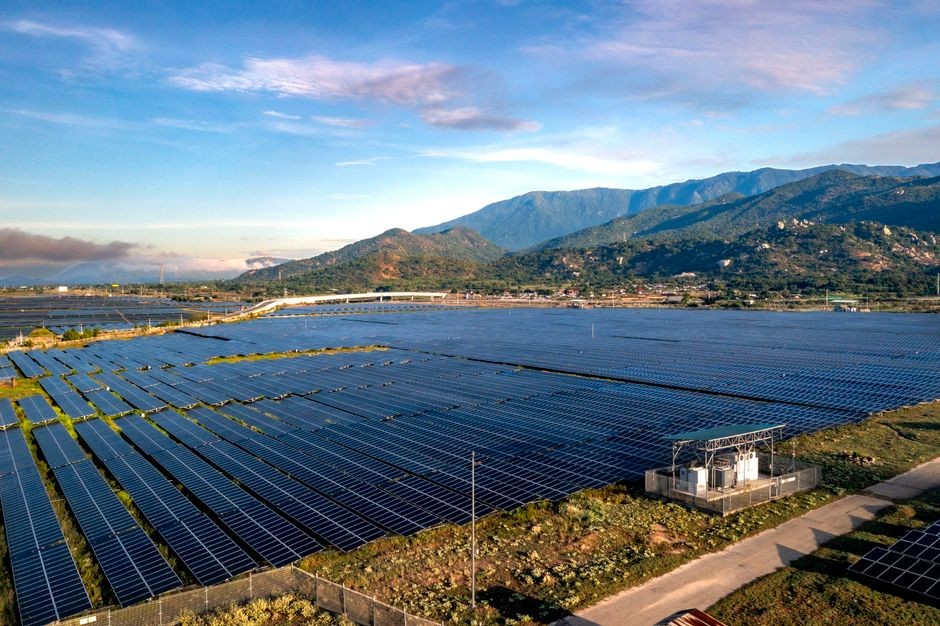
Hyundai Mobis is executing a phased RE100 roadmap: achieving 65% renewable electricity usage by 2030 and full 100% adoption by 2040. The 2025 baseline of 29% renewable share was reached through on-site solar installations, power purchase agreements (PPAs), and grid-sourced green tariffs. Concurrently, corporate governance strengthened via a new mechanism allowing shareholders to recommend outside directors — a reform aimed at enhancing board independence and oversight rigor. The report notes this structural change contributed to improved capital allocation discipline and stakeholder trust metrics.
“Based on our competitive edge in core technologies for future mobility, we will continue steady growth while practicing carbon neutrality and co-prosperity management across the value chain to build a sustainable future.” — Lee Gyu-suk, President of Hyundai Mobis
Hyundai Mobis’ approach reflects broader trends among Tier 1 automotive suppliers in Northeast Asia, where companies like Denso and Bosch have similarly accelerated Scope 3 measurement and supplier engagement programs since 2022. Unlike many peers, however, Hyundai Mobis publicly discloses both aggregate partner payment volumes and granular energy-mix data — enhancing transparency for investors assessing ESG materiality in the auto supply chain. For procurement professionals, the integration of ESG assessments into supplier scorecards signals an operational shift: sustainability performance now directly influences contract renewals, volume allocation, and joint development funding.
Source: biz.chosun.com
Compiled from international media by the SCI.AI editorial team.