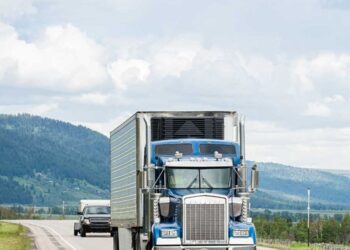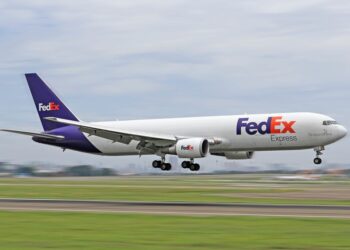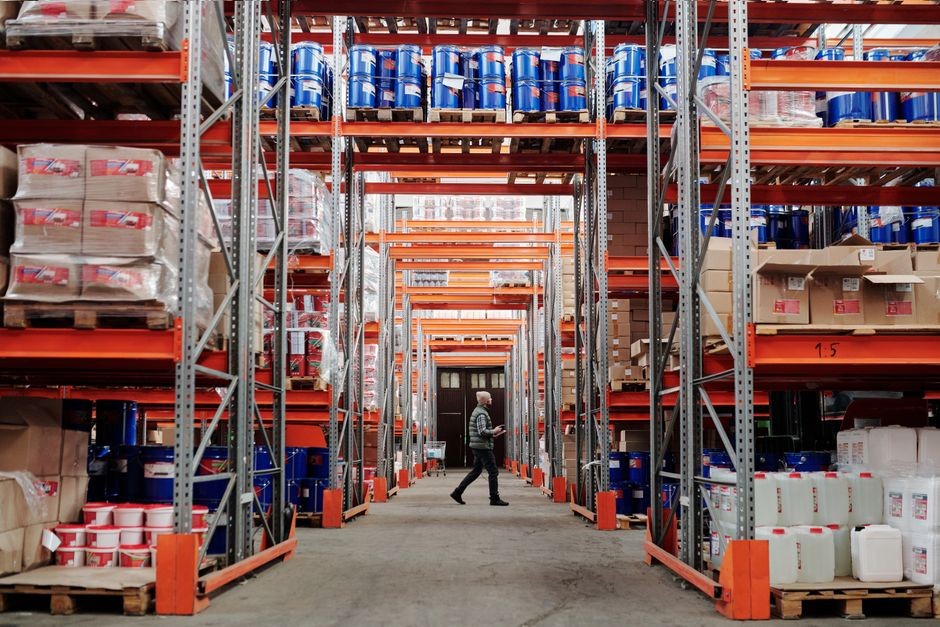
The retailer is also increasing the amount of product packed and loaded for inbound and outbound shipments, Chief Supply Chain Officer Greg Shultz told Supply Chain Dive.
Freight cost pressures mount amid diesel surge
Burlington Stores’ transportation cost savings initiatives have helped offset higher freight costs driven by elevated diesel rates and fuel surcharges, EVP and CFO Kristen Wolfe said during a Q1 earnings call. Wolfe said that diesel prices contributed significantly to increased logistics expenditures in the quarter ended April 30, 2026 — the first fiscal quarter of Burlington’s 2026 fiscal year.
Burlington reported Q1 2026 net sales of $2.87 billion, with gross margin declining 110 basis points year-over-year, partly attributable to elevated transportation expenses. The company confirmed it paid an average diesel price of $4.12 in Q1 2026 — up 18% from $3.49 in Q1 2025 — SEC Form 10-Q filing dated May 22, 2026.
Ocean contract strategy expands capacity utilization
To mitigate volatility, Burlington has shifted toward longer-term ocean freight contracts covering trans-Pacific and trans-Atlantic lanes. These agreements lock in capacity and pricing for periods ranging from 6 to 12 months, reducing exposure to spot-market spikes. As part of this initiative, the company increased container load factors by 22% across key Asia–U.S. routes in Q1 2026 versus Q4 2025, logistics metrics shared by Shultz.
Greg Shultz, Chief Supply Chain Officer at Burlington Stores, emphasized that the retailer now loads an average of 102% of TEU capacity on contracted vessels — up from 83% in Q1 2025 — through optimized palletization, mixed-SKU carton consolidation, and standardized outbound packaging protocols.
Operational adjustments complement contractual levers
Beyond ocean contracting, Burlington implemented three structural changes to reduce per-unit freight spend: (1) expanded use of intermodal rail for domestic trunk lines between West Coast ports and Midwest distribution centers; (2) renegotiated drayage contracts with 12 regional carriers serving the Port of Los Angeles and Port of Long Beach; and (3) deployed new warehouse slotting algorithms that cut average pallet travel distance by 37% in four primary fulfillment centers.
The company operates 15 distribution centers across the U.S., including facilities in Riverside, California; Florence, South Carolina; and Joliet, Illinois. In Q1 2026, Burlington reduced average outbound shipment dwell time by 1.8 days versus prior-year levels — a gain attributed to synchronized loading windows and real-time yard management system integration.
Industry context: Contracting trend accelerates
Burlington’s move follows broader industry adoption of long-term ocean contracts. Baltic Index data, the share of U.S.-bound container volume under 6+ month contracts rose to 39% in Q1 2026 — up from 27% in Q1 2025. Major retailers including Target and Walmart reported similar strategies in recent earnings calls, citing Red Sea disruptions and Panama Canal drought restrictions as catalysts.
A 2026 McKinsey & Company benchmark study of 42 Fortune 500 retailers found that those with >50% of import volume under multi-month ocean contracts achieved 14.2% lower average freight cost than peers relying solely on spot charters — a gap that widened to 21.7% during Q1 2026’s peak rate volatility.
Source: Supply Chain Dive
Compiled from international media by the SCI.AI editorial team.