Africa is growing incredibly fast, but most Western buyers overlook the continent (Photo by SEYLLOU / AFP) (Photo by SEYLLOU/AFP via Getty Images)
The exhibit hall at Cape Town’s Good Life Show smelled like rooibos, baobab, and something harder to name. Ambition, maybe. Africa’s largest natural food tradeshow drew hundreds of exhibitors this May: kombucha makers working with indigenous South African botanicals, macadamia milk brands operating carbon-negative factories, moringa farmers who started by feeding orphaned children porridge and built export-ready wellness companies. I spent two days interviewing founders. Not one of them had a lion in their backyard.
That joke, and the fact that it still needs to be made, gets at the core of why American companies and retailers keep missing Africa. The continent that carries the richest biodiversity of functional plant ingredients on earth, a consumer market projected to surpass $2.5 trillion by 2030, and seven of the world’s twenty fastest-growing economies is still processed through a lens of risk and charity rather than one of partnership and opportunity.
Cosmos Mamhunze, International Trade Specialist and co-organizer of the Good Life Show, told me in an interview: “International buyers normally think that there’s no quality, there’s no capacity in Africa. But this show is proving it’s the other way around. There is lots of creativity in Africa, there’s lots of innovation, there’s capacity: farmers are here, they are eager to grow, they’re export ready. Africa is ready for business with the rest of the world.”
Why Is the Perception So Disconnected from the Reality?
The data tells a different story than the perception. Africa’s economies are projected to grow 4.2% in 2026, nearly double the pace of the United States. Ethiopia alone is forecast to expand at 9.2% this year, according to IMF projections. By 2030, the African middle class is expected to surpass 500 million people. Sixty percent of the continent’s population is under 25. McKinsey has pegged African consumer spending at $2.1 trillion for 2025, on its way to $4 trillion by the end of the decade.
The food sector reflects this rapid growth trajectory. Africa’s food and beverage market, valued at $346 billion in 2024, is forecast to reach $567 billion by 2032, growing at a compound annual rate of 6.34%. The natural ingredients segment is growing even faster: the Africa Natural Food Flavors market is expanding at roughly 7.5 to 9.5% annually through 2035.
Yet over 60% of natural flavor formulations consumed in Africa are still imported, primarily from Europe, India, and China. American food companies source ingredients from Southeast Asia and South America, forgetting the unique ingredients that Africa has to offer. Rooibos grows only in one mountain range on earth, baobab trees fruit across a continent that holds 80% of global supply, and moringa – recently certified by the World Health Organization as a plant to fight malnutrition – is still treated as an exotic novelty in U.S. wellness aisles.
What Ingredients is the World Missing Out On?
The founders I met at the Good Life Show weren’t pitching curiosities. They were describing ingredient categories that the global wellness industry is just beginning to understand.
Jacques van Zyl, co-founder of Culture Lab Kombucha, makes fermented drinks with South African botanicals: buchu, honeybush, confetti bush. “Plants are very powerful,” he told me in an interview, “and there’s a lot to be had here. We have a very rich floral kingdom if we just use it and access it. It’s a shame that we don’t do it as much anymore.” He paused. “Even in South Africa, we have this rich history of medicinal plants and it’s getting lost slowly but surely.”
Duhne Liebenberg, founder of Namo Health in Stilbaai, makes products from South Africa’s fynbos, a floral kingdom unique to the Western Cape that includes hundreds of species found nowhere else on earth.
“Fynbos plants only grow in South Africa,” she said in an interview. “There’s no other place in the world that these flowers and plants come from.” Her bestsellers are Cancer Bush tea and Buchu, the latter used for bladder health and urinary tract support with a long history in Khoikhoi traditional medicine. “It’s a totally untapped market where people are only now starting to realize the benefits.”
Fiona Sephton, founder of StoneBridge Herbal, farms artemisia afra in the Eastern Cape, one of only seven licensed growers of the plant in South Africa. It’s the most widely used medicinal plant in Africa, an antibacterial, anti-inflammatory, antifungal, and antiparasitic that is used for respiratory illness, gut health, and as a general immune support. It’s also entirely unavailable in the United States.
“This is part of a north-south issue,” Sephton told me in an interview, “where botanicals from the south don’t get easy access into the north.” To bring it into the EU, it would need 40 years of documented use within European borders, a regulatory catch-22 that no African botanical can satisfy. “You can’t even get it in now to start that clock.”
There are unique products in Africa: rooibos, baobab, moringa, and alternative coffees. I want every US buyer to know Africa’s got most of what you would require.
— Cosmos Mamhunze, Good Life Show co-organizer
Despite the fact that most Americans have never heard of them, staple African ingredients like moringa and baobab are growing quickly on the global market. The global moringa market was valued at $10 billion in 2025 and is projected to reach $25 billion by 2034. The baobab market is on track to nearly double, from $4.8 billion to $8.5 billion, over the same period. The companies that establish sourcing relationships now, directly with African farmers and founders, will own the supply chain that everyone else will be scrambling for in a decade.
How Are African Entrepreneurs Already Solving for Scale?
One of the most persistent myths about sourcing from Africa is that it can’t deliver consistency or scale. The founders I met would disagree.
Philip Moufarrige, founder of Giraf Macadamia and owner of the Amber Macs processing facility in Mpumalanga, works with 150 macadamia farmers and hosts what he describes as the world’s largest macadamia expo: 180 exhibitors, 3,000 visitors, 12 guest speakers annually. His facility is an approved Costco supplier.
“Every one of our customers raves about how we have the best quality product they’ve ever had,” he said in an interview. On starting a manufacturing business in South Africa he said, “I found it incredibly easy and straightforward. There is a lack of foreign direct investment here, so when people do invest, they look upon you very favorably. I haven’t had any problems, I haven’t had any obstructions. It’s been incredibly safe and a very positive and pleasant experience.”
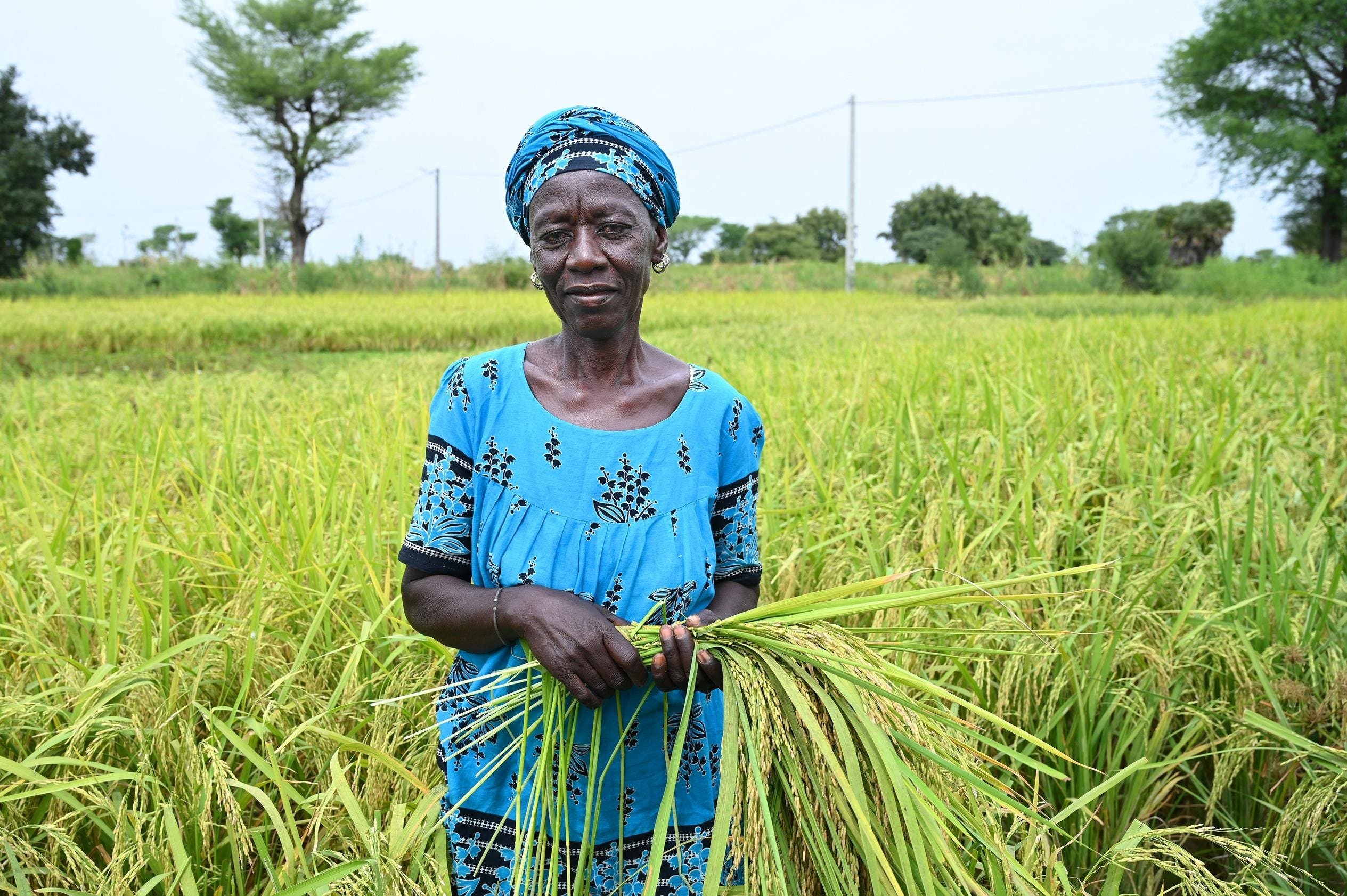
The co-founders of Mor-Nutritional Products standing in their moringa field
Tshepiso Seloane, co-founder of Mor-Nutritional Products, started her
Source: www.forbes.com
Compiled from international media by the SCI.AI editorial team.