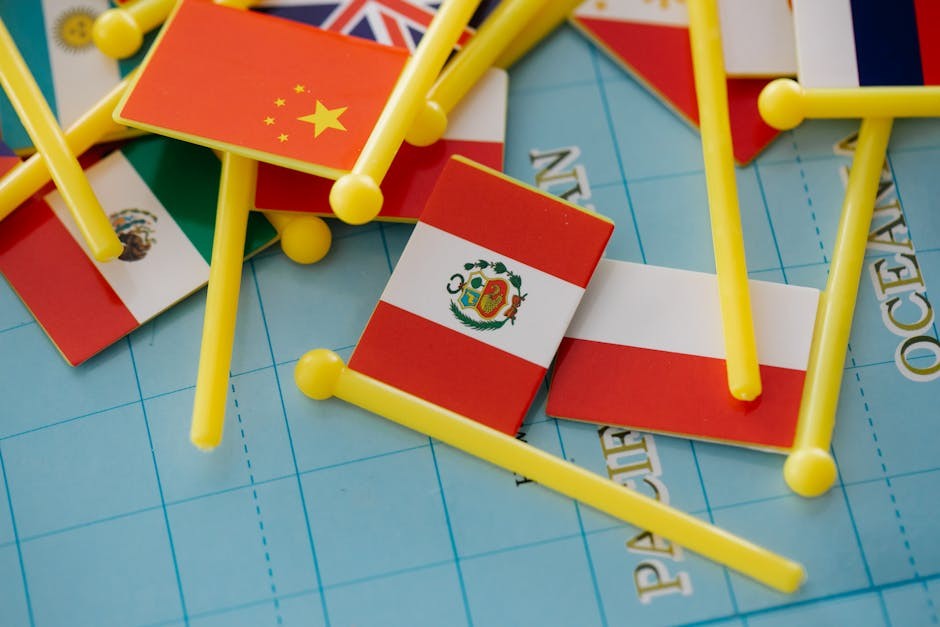
Container Trade Between India and China Expands Rapidly
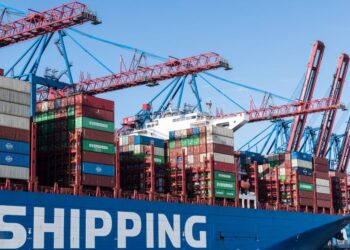
According to theloadstar.com, container capacity on the India-China trade route is increasing rapidly due to rising demand. This growth is being driven by new carrier entries and expanded services, with Ningbo Ocean Shipping (NOS) now active in the route via a slot deal with Singapore-based X-Press Feeders. The X-Press Capella’s recent call at Nhava Sheva Port (JNPA) marked the launch of NOS’s new service, offering direct connections between the busiest gateways in both countries.
Ningbo-Zhoushan Port and Carrier Expansion
Ningbo-Zhoushan Port, formed through the 2006 merger of Ningbo and Zhoushan, is recognized as the world’s largest cargo tonnage handler. It benefits from strong industrial clusters in the surrounding region. NOS, headquartered in Ningbo, has established booking partnerships with major carriers including Cosco, YML, ONE, HMM, Wan Hai, TS Lines, and KMTC. The company is expanding its role beyond regional NVO (non-vessel operating common carrier) services to become a long-haul provider.
New Entrants and Fleet Expansion
CULines and Sinotrans Container Lines (Sinolines) are also entering the India-China trade with aggressive strategies. CULines launched two new intra-Asia services in April 2026, with a rotation covering Qingdao, Shanghai, Ningbo, Shekou, Nansha, Port Klang, Mundra, Karachi, Sohar, Khor Fakkan, and back to Qingdao. Sinolines, which began operations in India in 2023, recently signed contracts with Chinese shipyards for twelve new containerships. These include four 8,200-teu vessels, four 3,000-teu vessels, and four 1,800-teu vessels, with deliveries expected to begin in 2027.
Freight Rate Trends and Demand Shifts
Industry data shows ocean freight rates have strengthened in tandem with demand. Rates from Shanghai to JNPA now range between $1,800 and $2,000 per 40ft container—matching levels for bookings to North Europe. Eastbound rates from JNPA to Shanghai, which had been in negative territory, have recovered and are now hovering between $200 and $250 per 40ft. This shift reflects a more balanced trade flow, with Indian exports to China, the Far East, and Vietnam growing steadily.
Logistics and Infrastructure Response
Jitendra Srivastava, CEO of Mumbai-based Triton Logistics & Maritime, noted that while India-China trade remains asymmetrical, the outlook for logistics providers is increasingly positive. “The surge in demand is now accelerating shipping frequency, infrastructure expansion, and capacity upgrades across major Indian ports to manage growing freight volumes,” he told The Loadstar.
“The surge in demand is now accelerating shipping frequency, infrastructure expansion and capacity upgrades across major Indian ports to manage growing freight volumes.” — Jitendra Srivastava, CEO, Triton Logistics & Maritime
Market Dynamics and Regional Competition
The expansion is also linked to ongoing congestion at India’s Nhava Sheva Port (JNPA), where terminal congestion has prompted carriers to adjust terminal operations. The port, a key hub for Indian exports, is seeing increased competition from other South Asian ports, including Hambantota in Sri Lanka. Additionally, India is advancing its “one-nation-one-port” (ONOP) standardization initiative to improve nationwide port efficiency.
Other recent developments include India’s efforts to diversify export markets due to the Iran crisis, with Indian exporters turning to alternative routes. Meanwhile, DP World has faced scrutiny in India over alleged bribery, impacting its expansion plans. Despite this, container trade via JNPA continues to grow, supported by new capacity and shifting trade patterns.
Source: The Loadstar
Compiled from international media by the SCI.AI editorial team.