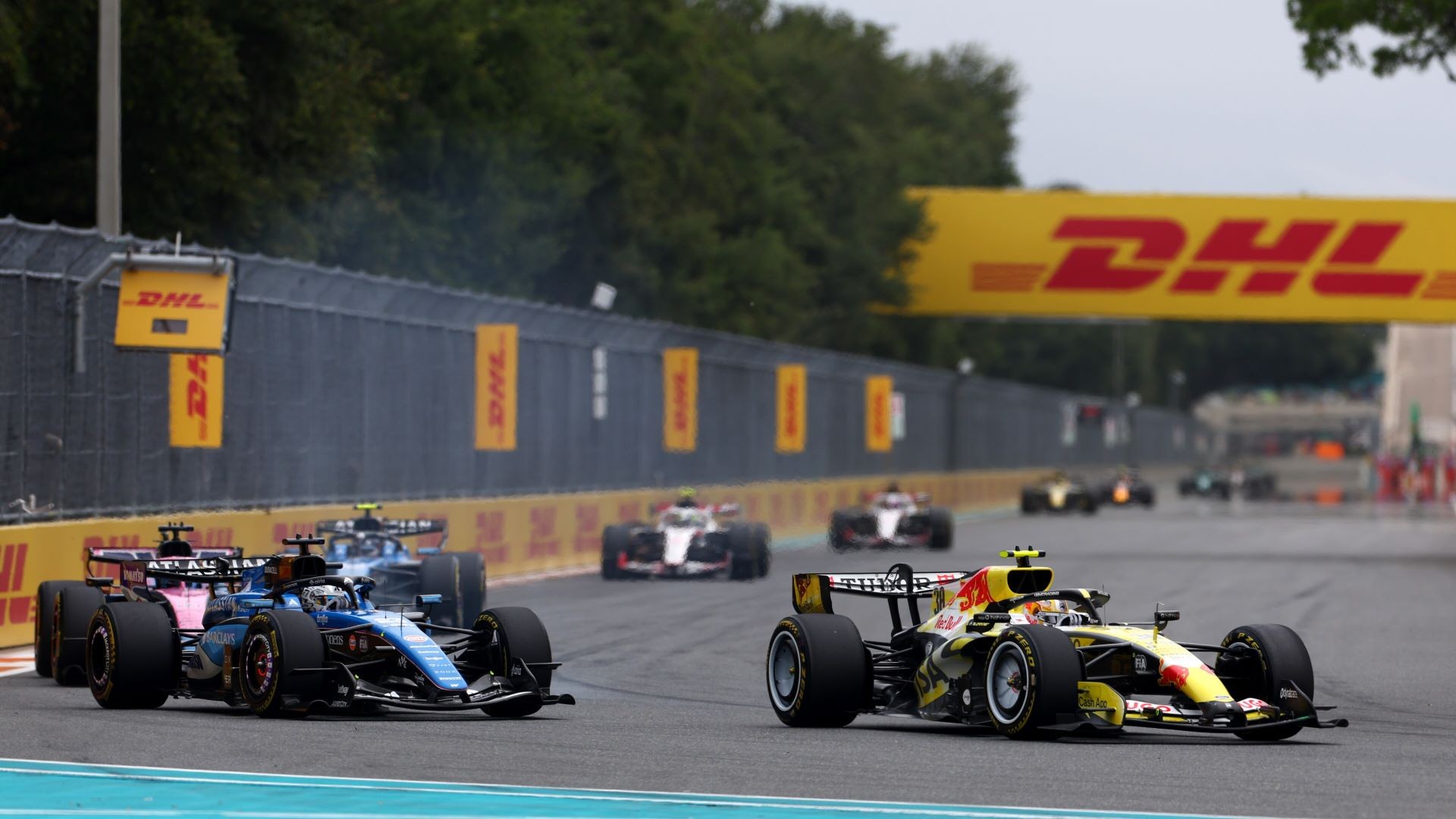
DHL Global Forwarding successfully completed its first-ever use of intermodal rail freight as part of the sophisticated logistics operation that relocates the Formula 1 series to upcoming race destinations, the company said on Wednesday.
First rail shipment: Miami to Montreal
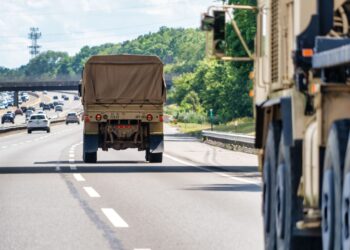
The freight management unit of DHL Group (XETRA: DHL) said it moved about 50 containers, including 46 forty-foot high-cube units, and four 20-foot containers, of race equipment by rail from Miami to Montreal. Nearly 70% of the F1 freight handled by DHL for this leg would typically move over the road by truck. DHL said the rail mode reduced carbon emissions while still meeting Formula 1’s strict timelines.
“Introducing rail into our race-to-race logistics mix shows how established transport modes can be applied in new ways to support sustainability in a highly time-critical environment,” said Paul Fowler, head of global motorsports logistics at DHL Global Forwarding. “The successful delivery of all freight in this pilot demonstrates that rail can reliably support Formula 1’s demanding schedule while contributing to lower emissions.”
Containers were equipped with tracking devices and shock sensors to monitor handling, transit times, and cargo integrity, ensuring the safe and on-time delivery of race equipment.
The Miami race concluded on May 3 and the Canadian grand prix event begins Friday, May 22.
Rail provider speculation and scalability plans
A DHL spokesperson declined to say which national rail provider handled the F1 shipments. CSX is the most likely candidate because it has intermodal rail terminals in Miami and Montreal. Norfolk Southern railroad, the other major player on the East Coast, does not have direct intermodal rail service in either city, according to a map of its route network.
DHL Global Forwarding and Formula 1 are currently evaluating opportunities to scale rail usage in North America, beginning with the 2027 season, subject to the calendar structure, operational feasibility and results from this year’s trial. Collected data is being used to assess key operational criteria and sustainability performance.
A crane prepares to lift a container of F1 equipment from a DHL tractor-trailer to an intermodal rail car. (Photo: DHL Group)
Broader decarbonization commitments
Formula 1 will also hold races this year in Las Vegas and Austin, Texas. The sport has set a goal for net zero carbon emissions by 2030 and DHL Group is targeting 2050 to decarbonize its global logistics network.
Other emissions-reduction practices employed by DHL on the Formula 1 tour include the use of sustainable aviation fuel for select cases of air transport, 50 biofuel-powered trucks in Europe and optimized route planning as race logistics becomes more regionalized to reduce transport distances and efficiency.
Demanding race schedule requires precision logistics
FreightWaves four years ago wrote about the complex multi-modal logistics orchestration required to make the F1 tour possible in 24 locations on five continents. For every grand prix, hundreds of crates and containers move in parallel. Last year, DHL moved 1,323 tons of equipment per event. In addition to race cars and tires, DHL must pick up and move broadcast, hospitality, and electronic equipment, as well as pit garages, utilizing air, ocean and road transport, manage customs clearance and forward deploy containers with duplicate kits for contingency purposes. Race cars are dismantled and carefully loaded into shipping containers piece by piece.
The complexity is amplified when races are scheduled in consecutive weeks. In 2025, Formula 1 had three triple-headers and five double-headers.
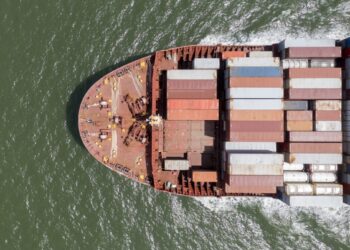
The bulk of equipment, including garage structural kits, hospitality suites and fan zones — anything categorized as non-essential to on-track performance — moves by container vessel. DHL specialists send five or six identical sets of containers on long rotations, leapfrogging around the globe. A shipment sent to China might next appear in Miami, while another set continues from Japan to Singapore and Baku, Azerbaijan.
Cars, engines, and other race-critical technology — as well as F1’s broadcast equipment — all travel by freighter aircraft, because they are indispensable on race day and can’t be rotated or left behind, according to previous DHL descriptions of the F1 operation. The moment the checkered flag falls, critical gear is packed and loaded, often overnight, so that by 10 a.m. on Monday, most air freight has already departed for the next event.
Trucks ferry ocean and air cargo from terminals to the track and are the primary mode of transport within Europe, with freight traveling from team factories and regional hubs. Up to 400 trucks are deployed, many with tandem-driver teams per cab to keep them moving day and night.
Each venue presents its own logistical challenges that require unique solutions, which are often solved in partnership with local authorities. Monaco’s streets, for example, are extremely tight, leaving no space for convoys to enter the city simultaneously. Instead, trucks must queue in holding bays outside town and are called one by one, both before and after the race. The Las Vegas strip presents a similar challenge. DHL says it creates a special holding yard to avoid gridlock as hundreds of trucks deliver equipment in sequence to the circuit.
Source: FreightWaves
Compiled from international media by the SCI.AI editorial team.