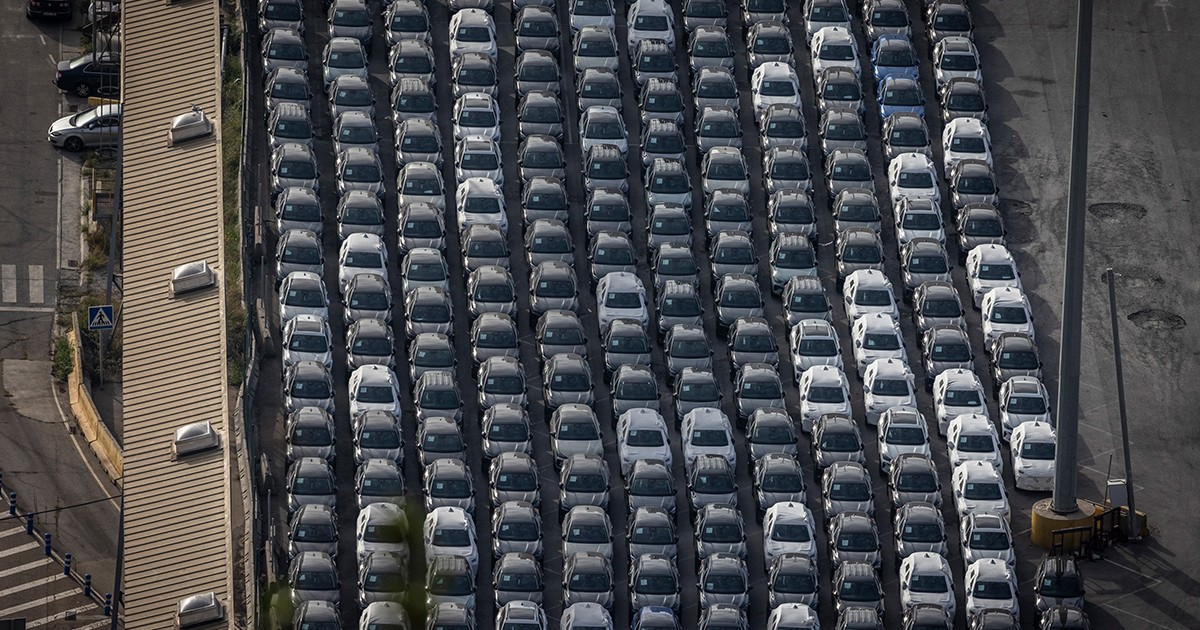
According to www.ttnews.com, U.S. Ambassador to the EU Andrew Puzder stated on May 6, 2026, that Washington will implement a 25% tariff on automobiles and trucks from the European Union “relatively soon” unless the bloc ratifies the long-delayed trade agreement swiftly. The deal was originally reached in July 2025, and Puzder emphasized that the EU has taken “nine months” without meaningful progress: “You’ve done nothing for nine months.”
Deal Terms and Tariff Ceilings
Under the original agreement, the EU committed to eliminating tariffs on U.S. industrial goods, while accepting a 15% tariff ceiling on most European exports to the U.S., including vehicles. A 25% car tariff would therefore breach that ceiling. The U.S. has partially implemented the pact, but the EU has not ratified it. EU Trade Commissioner Maroš Šefčovič reiterated on May 5, 2026, during G7 talks in Paris, that the bloc aims to have “the main features of the EU-US deal in place ahead of its one-year mark” — i.e., by July 2026.
Escalating Tensions and Retaliation Risks
The U.S. expanded its existing 50% metals tariff to hundreds of additional products — including motorcycles and tableware — undermining European confidence in the deal’s integrity. Though the move did not explicitly violate U.S. commitments, EU officials said the recalculated tariff methodology — introduced recently — worsened conditions for roughly half of the affected products. Puzder acknowledged ongoing discussions but warned: “If a deal isn’t a deal, then the United States, I think, would walk away from it.” The EU has signaled readiness to retaliate but prefers de-escalation.
German and French Reactions
Germany, the EU’s largest economy and a global automotive hub, faces acute exposure. German Economy Minister Katherina Reiche stated on May 6, 2026, in Paris: “For us, the topic of auto manufacturing and exports, being an automotive location, is very central and I’m hopeful that we can also solve this challenge in a good way together.” Meanwhile, French Trade Minister Nicolas Forissier criticized the broader shift at the G-7: “We’re moving away from a balanced and stable international trade system… Now we have a more difficult environment, unstable,” citing the “weaponization of mutual dependencies.”
Negotiation Timeline and Political Hurdles
EU lawmakers are negotiating final amendments to the agreement with national capitals, including a potential expiration date. Officials held talks on the evening of May 6, 2026, but no final agreement is expected before June 2026. Puzder dismissed efforts by the European Parliament to revise terms, saying: “We’re done debating.” He added that President Donald Trump “was saying he’s pushing for something more rapid, something quicker” than the EU’s proposed July deadline.
“Unless we see some substantial progress, I think you probably should expect those [25% tariffs] relatively soon.” — Andrew Puzder, U.S. Ambassador to the EU
Source: Transport Topics
Compiled from international media by the SCI.AI editorial team.