According to blogs.sw.siemens.com, Radeberger Gruppe, Germany’s largest private brewery group, has achieved double-digit capacity increases and reduced out-of-stock situations by implementing a Digital Twin of its supply chain using the Siemens Supply Chain Suite. The system integrates data across procurement, production, bottling, distribution, and returns into a unified model, enabling the company to simulate scenarios and anticipate disruptions rather than merely react to them.
From reactive to proactive supply chain management
The brewery group operates 11 beer production sites and one non-alcoholic beverage facility in Germany, supplying a broad portfolio of regional and international brands to more than 60 countries. This distributed production landscape creates a highly interconnected supply chain where disruptions in one area can quickly impact the entire value chain, the source states.
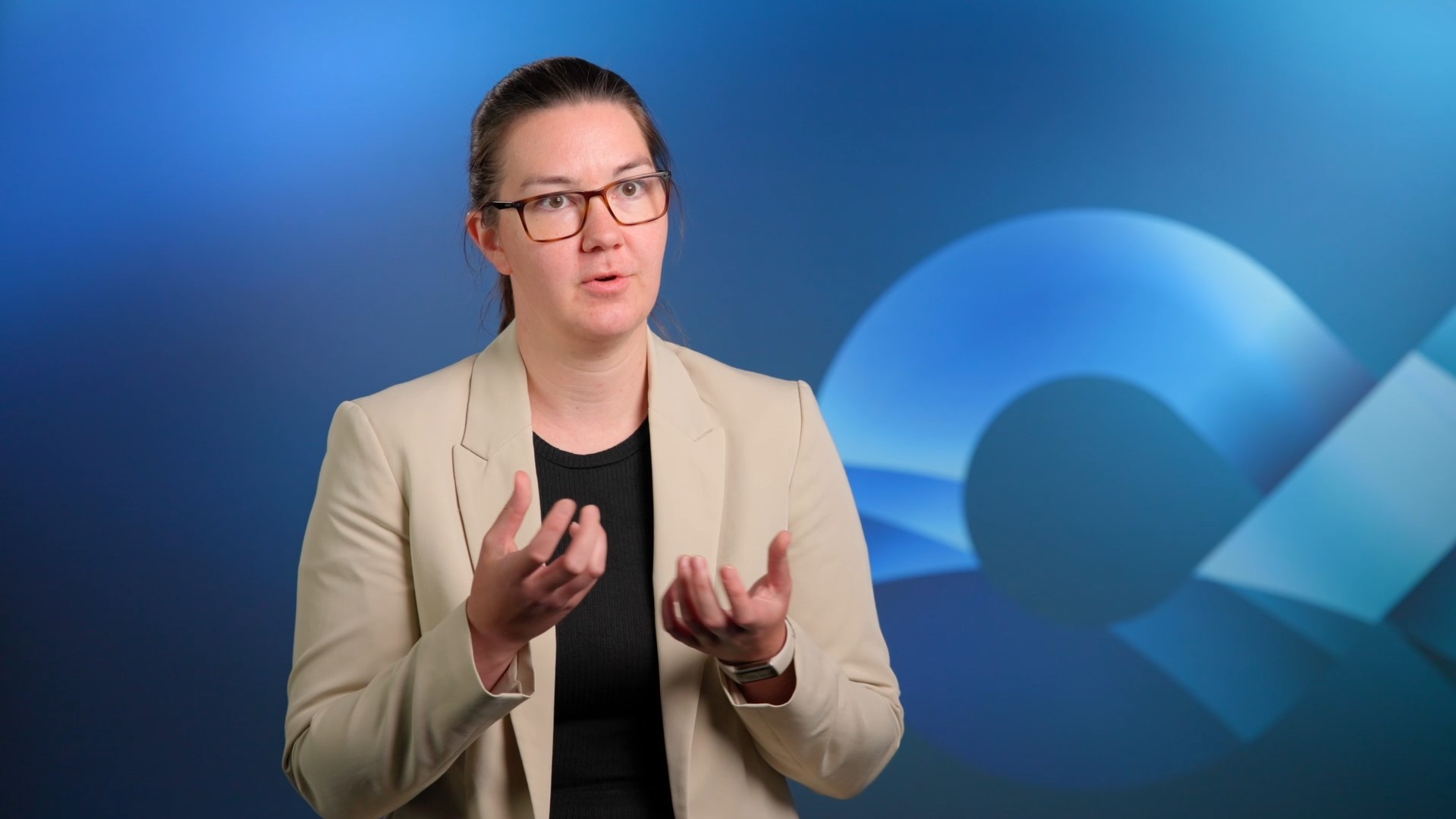
To address this complexity, Radeberger implemented a Digital Twin using the Siemens Supply Chain Suite. This virtual representation creates a consistent and unified data model across the network. As Fabienne Zachwieja, Team Lead Digital Twin at Radeberger Gruppe, explained in an interview recorded at Realize LIVE Europe 2025:
“Instead of responding to incidents as they occur, planners can simulate scenarios in advance and evaluate their impact across the entire network.” — Fabienne Zachwieja, Team Lead Digital Twin, Radeberger Gruppe
Measurable operational improvements
According to both the interview and the accompanying case study, the company has achieved the following results:
- Double-digit capacity increases at individual plants
- Reduced out-of-stock situations
- Improved on-time performance and reliability
- Productivity gains across production, bottling, and logistics
These outcomes are driven by the ability to test different configurations and constraints in a risk-free environment. For example, logistics flows, delivery routes, and return processes for empty containers can be continuously optimized based on the latest data. This aligns with a broader shift from static planning toward dynamic, data-driven optimization, where decisions are validated through simulation before being implemented in operations.
Data consolidation as a foundation
A key enabler of this transformation is the consolidation of diverse data sources into a single, consistent model. The Supply Chain Suite allows Radeberger to integrate and analyze data from multiple systems, generating dashboards, reports, and simulations that support both strategic and tactical decisions, the source notes. This capability is particularly important in an environment where supply chain disruptions are increasingly common.
With the Digital Twin, the company can assess future capacity scenarios, identify potential bottlenecks, and proactively adjust plans. As highlighted in the case study, this approach supports both:
- Strategic analyses, such as long-term network design and capacity planning
- Tactical analyses, including day-to-day operational adjustments
From external support to internal expertise
Radeberger’s Digital Twin journey also reflects an evolution in operating models. Initial implementation and modeling were supported by Siemens consulting teams. Over time, the company transitioned to an in-house approach, supported by targeted training and enablement. Today, Zachwieja and her team can independently build simulations, adapt models, and generate insights, embedding Digital Twin capabilities directly into daily operations. This shift not only accelerates analysis cycles but also ensures that domain expertise remains closely aligned with decision-making.
Scaling the Digital Twin across new use cases
Looking ahead, Radeberger plans to extend the use of the Supply Chain Suite across additional sites and use cases. With a growing set of ideas and validated benefits, the focus now shifts to scaling these capabilities throughout the organization. The objective remains consistent: to create a supply chain that is not only efficient but also resilient and adaptable, capable of responding to change with confidence, according to the source.
Source: blogs.sw.siemens.com
Compiled from international media by the SCI.AI editorial team.