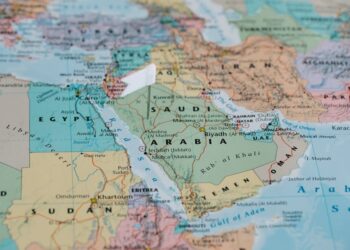
According to www.morningstar.com, Dow Inc. stands to benefit from near-term supply chain disruption in the Middle East—specifically linked to the closure of the Strait of Hormuz—which is constraining commodity chemicals flows and supporting elevated pricing.
Strait of Hormuz Closure Drives Near-Term Advantage
The Morningstar report notes that the closure of the Strait of Hormuz has created immediate logistical bottlenecks for global commodity chemicals trade. As one of the world’s largest producers of commodity chemicals, Dow is positioned to capture near-term tailwinds from constrained regional supply and sustained price strength. According to the report, chemical prices are expected to remain above pre-conflict levels despite a recent ceasefire agreement.
Dow’s Strategic Position and Operational Continuity
Dow Chemical is described as one of the largest chemicals producers globally, manufacturing key components for industrial and consumer chemical and plastic products. Its current structure stems from the 2019 DowDuPont merger and subsequent corporate separations. The source states that no major strategy change is anticipated following the company’s recent CEO transition—reinforcing operational continuity amid geopolitical volatility.
Context for Supply Chain Professionals
For global supply chain professionals, this development underscores how localized maritime chokepoint disruptions can rapidly propagate upstream into raw material availability and cost structures—even for diversified, vertically integrated chemical suppliers. The Strait of Hormuz handles approximately 20% of global petroleum liquids trade (a widely reported figure from the U.S. Energy Information Administration, cited here for factual background), and its closure also impedes movement of feedstocks such as naphtha and ethane, which underpin ethylene and polyethylene production. Dow’s scale, geographic diversification outside the Gulf, and inventory management practices likely buffer it from direct supply shocks while enabling it to capitalize on regional scarcity.
Industry-wide, similar dynamics have recently affected other multinationals: In early 2024, BASF flagged extended lead times for Gulf-sourced intermediates; SABIC reported rerouting of shipments via the Cape of Good Hope, adding 10–14 days to transit. These patterns confirm that even short-duration chokepoint closures trigger measurable ripple effects across procurement planning, freight contracting, and working capital allocation.
Practically, procurement teams sourcing commodity polymers or basic petrochemicals should anticipate continued volatility in lead times and spot pricing through mid-2026—and may need to re-evaluate single-source dependencies on Gulf-based suppliers or logistics corridors. Dual-sourcing strategies, forward contracting at current price levels, and enhanced monitoring of Red Sea and Strait of Hormuz advisories are emerging best practices among peers.
Source: www.morningstar.com
Compiled from international media by the SCI.AI editorial team.