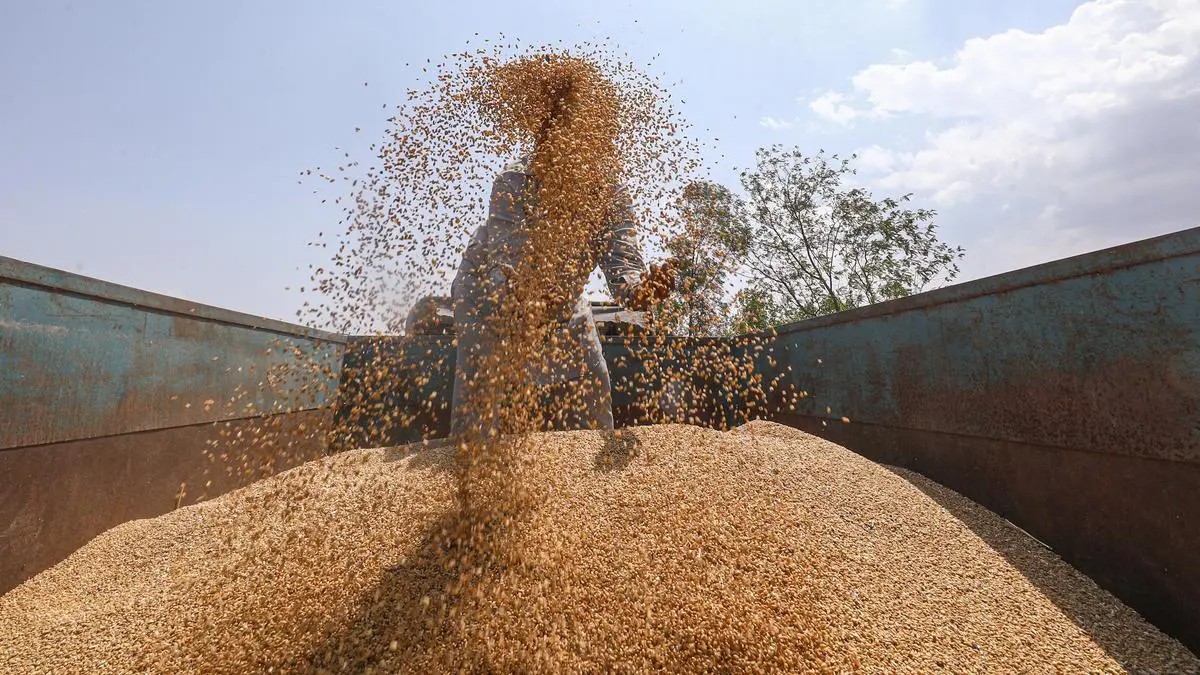
According to www.thehindubusinessline.com, the International Grains Council (IGC) has reduced its global foodgrain production forecast for the 2026–27 season by 3 million tonnes, revising the estimate to 2,414 million tonnes from an earlier projection of 2,417 million tonnes. The downward revision stems from concerns over fertilizer affordability and application decisions, driven by supply chain disruptions linked to the ongoing war in West Asia.
Production and Inventory Outlook
The IGC noted that anticipated declines affect all major crops—including wheat and maize—contributing to a total output that remains elevated but is 2 per cent below the prior year’s record of 2,474 million tonnes (the projected 2025/26 peak). That 2025/26 figure represents a 6 per cent increase year-on-year. Meanwhile, consumption for 2026/27 is pegged at 2,437 million tonnes—3 million tonnes lower than the initial estimate—and global stocks are forecast to expand by 9 per cent, marking the sharpest growth in nine years. Trade volume is set at 451 million tonnes, up 6 per cent from the previous season.
Fertilizer Access and Southern Hemisphere Impact
The IGC highlighted persistent uncertainty around input access: “Concerns about fertilizer affordability and application decisions have added to the uncertainties about the 2026-27 cropping outlook, including in parts of the southern hemisphere, where upcoming requirements may not be fully covered,” the IGC said in its latest grain market report.
Practical Implications for Supply Chain Professionals
For global supply chain professionals, this adjustment signals heightened vulnerability in agricultural input logistics—notably nitrogen-based fertilizers, many of which rely on natural gas feedstocks and transit routes crossing conflict-affected zones like the Red Sea and Strait of Hormuz. Historically, fertilizer price spikes correlate strongly with delayed planting and reduced yields; the World Bank recorded a 200%+ surge in urea prices during the 2022–23 Red Sea crisis, a precedent now echoed in current IGC commentary. With carry-in stocks only partially offsetting production shortfalls, procurement teams must prioritize dual-sourcing for key grains and stress-test inventory buffers against cascading delays in maritime freight—particularly containerized fertilizer shipments routed via the Suez Canal or alternative Cape Horn lanes. Concurrently, demand planning models should incorporate real-time fertilizer cost indices and regional planting calendars, especially for southern hemisphere producers whose 2026/27 sowing windows open mid-year.
- 2025/26 global grain output: 2,474 million tonnes (6% YoY growth)
- 2026/27 forecast output: 2,414 million tonnes (3 Mt down MoM; 2% below 2025/26)
- 2026/27 forecast consumption: 2,437 million tonnes (3 Mt lower than initial estimate)
- 2026/27 forecast trade: 451 million tonnes (+6% YoY)
- Global stock growth forecast: 9% (sharpest in nine years)
Source: www.thehindubusinessline.com
Compiled from international media by the SCI.AI editorial team.