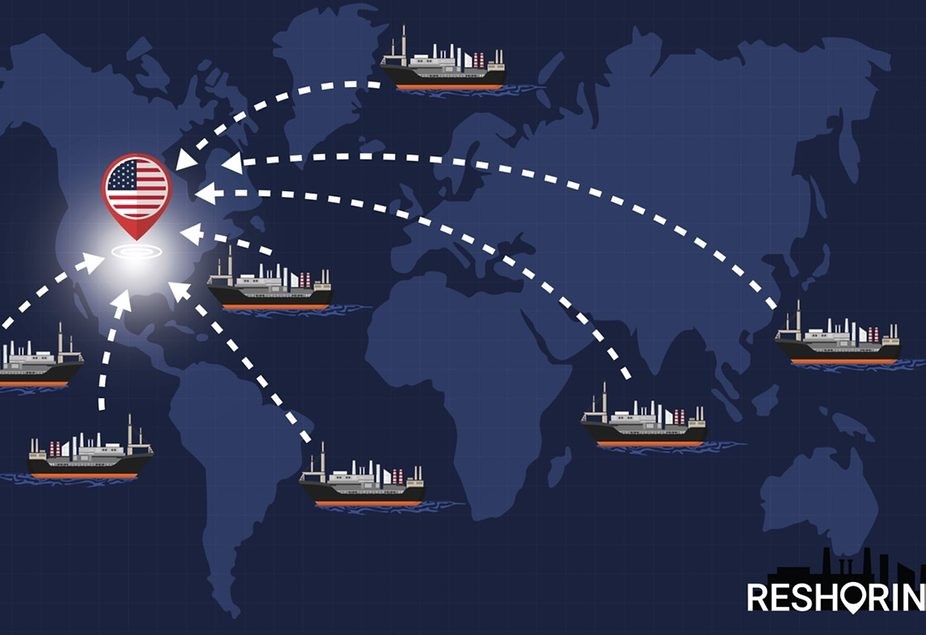
According to www.supplychainbrain.com, reshoring of manufacturing to the United States is underway—but it is neither rapid nor inexpensive. Driven by Trump-era tariffs and pandemic-era supply chain disruptions, U.S. manufacturers are reevaluating offshore production, particularly in China, where rising labor costs had already begun eroding cost advantages pre-2020.
Driving Forces Behind the Shift
The source states that the migration of production capacity to the Western Hemisphere accelerated after COVID-19 and subsequent U.S. trade policy actions. However, this trend is not a reaction to a single event but a convergence of logistical complexity, geopolitical risk, and evolving cost structures.
Core Challenges: Labor, Real Estate, Infrastructure
Michelle Comerford, project director and leader of the industry and supply chain practice at Biggins Lacy Shapiro & Co. (BLS), notes that labor remains the foremost hurdle—echoing the very factor that drove offshoring decades ago. While automation has improved feasibility, it introduces new workforce demands: candidates need technical savvy, though not necessarily a four-year computer science degree.
Regional disparities in skill availability persist. Comerford observes that areas with longstanding ties to local manufacturers are better positioned—but building a scalable talent pipeline requires coordinated support across primary, secondary, and collegiate education systems, as well as parents and career counselors.
Site Selection Pressures
Real estate constraints compound the challenge. The source states that the inventory of available industrial structures is relatively low, due to a pandemic-induced pause in speculative construction and post-pandemic market focus on distribution—not manufacturing—facilities. Greenfield development faces zoning restrictions, especially on former farmland, and community resistance rooted in outdated perceptions of industrial plants—even though today’s facilities are described as “very clean, modern-looking.”
Infrastructure access is non-negotiable and considered an early criterion in site selection—before real estate or workforce assessments. This includes proximity to airports, highways, railroads, and ports. Automation further intensifies demand for electrical power, competing directly with AI-driven data centers and cryptocurrency mining operations.
Scale, Timeline, and Strategic Nuance
According to the report, reshoring requires investments that can run into the billions of dollars and span multiple years across design, permitting, and construction. Comerford emphasizes: “It’s not a decision to take lightly,” urging companies to be “very thoughtful, and consider all factors.”
The source also cautions against viewing reshoring as a total replacement strategy. Most manufacturers will retain offshore capacity—in Mexico, Asia, or elsewhere—as part of a broader de-risking effort. Diversification, not domestic exclusivity, defines modern resilience.
“This continues to be, by far, the busiest activity level I’ve seen in my career.” — Michelle Comerford, project director and leader of the industry and supply chain practice at Biggins Lacy Shapiro & Co.
Source: Supply Chain Brain
Compiled from international media by the SCI.AI editorial team.