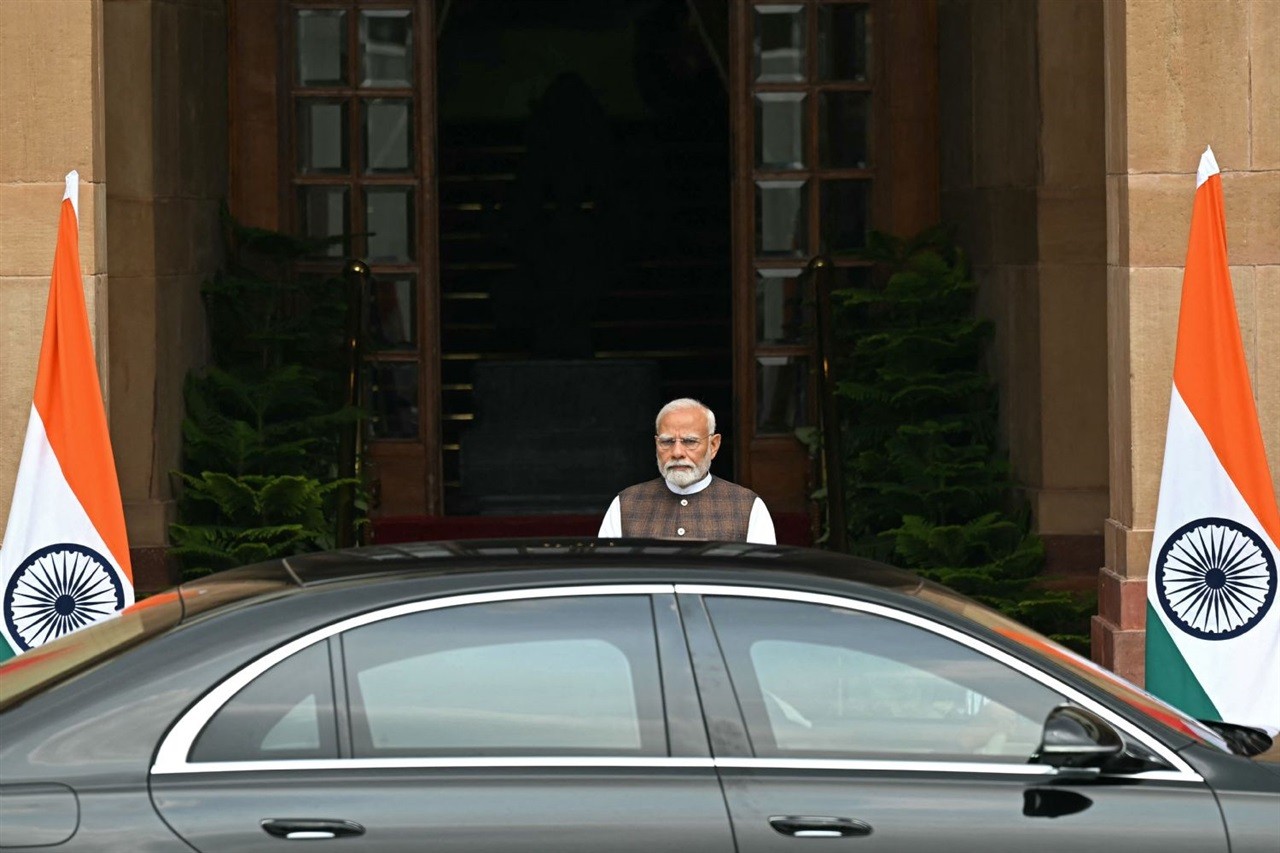
According to www.digitimes.com, India has formally notified the establishment of a Special Economic Zone (SEZ) in Dholera—designated for the country’s first domestic semiconductor fabrication plant. The move signals a strategic pivot toward building sovereign chip manufacturing capacity and positions India as an emerging node in the global semiconductor supply chain.
Policy Momentum Behind the Dholera SEZ
The Dholera chip SEZ announcement aligns with broader Indian government initiatives to scale electronics and semiconductor manufacturing. As noted by the source, India recently approved 17 ECMS (Electronics Components and Manufacturing Scheme) projects worth US$810 million to strengthen local component production. Additional measures include easing SEZ regulations specifically to attract semiconductor and electronics investments, alongside reports of a proposed US$5 billion incentive package aimed at boosting electronics manufacturing.
Corporate Commitments and Scale Targets
Private sector engagement is accelerating in parallel. The Tata Group—identified in the source as a key industry participant—is planning to create 500,000 manufacturing jobs across electronics manufacturing services (EMS) and its semiconductor foray. This workforce target reflects India’s ambition to embed deep-tier capabilities—not just assembly, but design, testing, and eventually front-end fabrication.
Global Context and Supply Chain Implications
India’s Dholera initiative joins a wave of national efforts to diversify semiconductor production away from concentrated geographies. Over the past three years, the U.S. enacted the CHIPS and Science Act (allocating $52.7 billion), the EU launched its Chips Act (€43 billion), and Japan committed ¥600 billion (~$4.2 billion) to support domestic fabs. While India’s current investment figures remain below those levels, the Dholera SEZ represents the first legally notified, dedicated semiconductor manufacturing zone in South Asia. For global supply chain professionals, this means new sourcing options are entering feasibility assessments—not as near-term alternatives to mature nodes like Taiwan or Korea, but as long-horizon partners for packaging, testing, assembly, and eventually specialty-node wafer production.
Practitioner Considerations
- Lead-time planning: Dholera-based fab output is unlikely before 2030; however, infrastructure development, regulatory approvals, and talent pipeline initiatives are already underway and require monitoring for early engagement opportunities.
- Compliance alignment: New SEZ rules include streamlined customs procedures and tax incentives—but supply chain teams must verify alignment with existing export control frameworks (e.g., EAR, Wassenaar Arrangement) when evaluating technology transfer or joint ventures.
- Risk mapping: Adding India as a potential node introduces new variables—including port connectivity (Dholera’s proximity to the Gulf of Khambhat and planned multimodal logistics park), power reliability, and skilled labor availability—that warrant inclusion in multi-tier supplier risk assessments.
Source: www.digitimes.com
Compiled from international media by the SCI.AI editorial team.