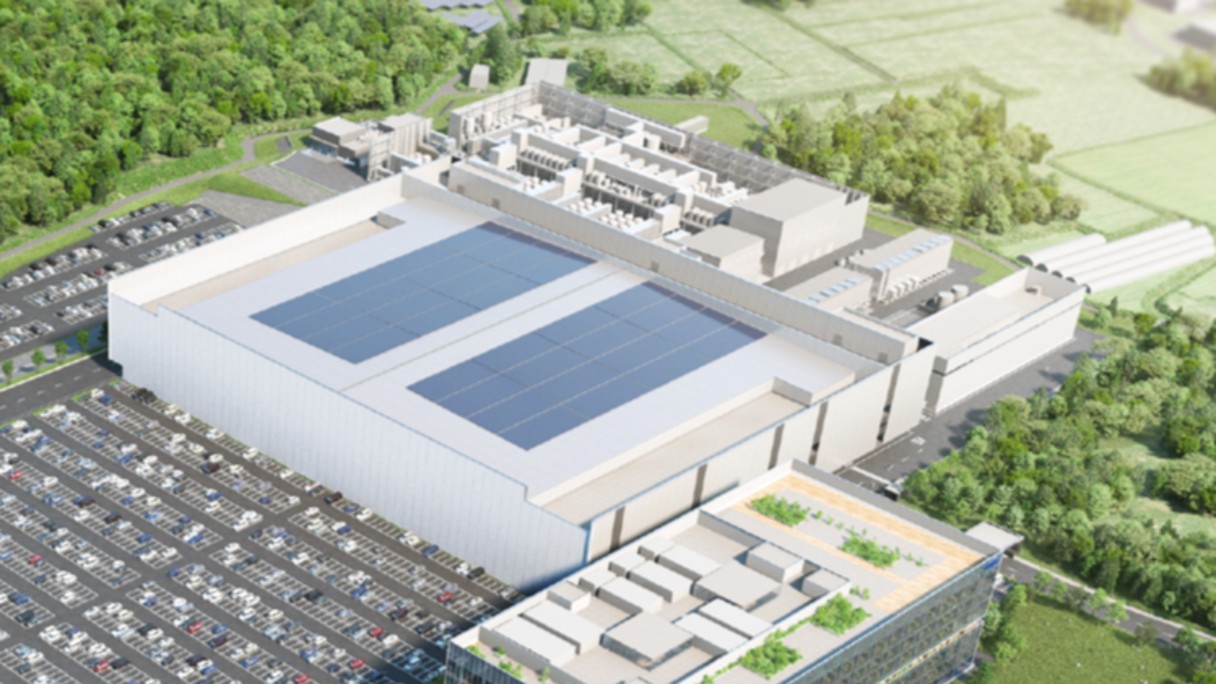
According to asia.nikkei.com, Japan has approved an additional $4 billion in government support for Rapidus, its domestic advanced semiconductor initiative aimed at ensuring stable supplies of cutting-edge chips. The funding is part of a broader national strategy to bolster economic security and reduce reliance on foreign manufacturing capabilities, particularly amid intensifying geopolitical pressures and supply chain vulnerabilities.
Rapidus and Japan’s Semiconductor Sovereignty Push
The announcement—dated 11 April 2026—follows earlier Japanese investments in semiconductor infrastructure and reflects mounting urgency to establish domestic 2-nm and sub-2-nm chip production. Rapidus, established in 2022 with backing from major Japanese corporations including Sony, Toyota, NEC, and NTT, is tasked with developing next-generation logic chips for AI and high-performance computing. Fujitsu plans to develop 1.4-nm chips for AI processing, with production outsourced to Rapidus, as reported on 31 March 2026.
Global Memory Shortage Extends Through 2027
Meanwhile, the global memory chip shortage remains acute. According to the source, the shortage is set to last until 2027, driven by sustained demand from AI data centers and constrained ramp-up timelines—even as Samsung, SK Hynix, and Micron increase output. SK Hynix separately stated the broader global memory chip crunch could extend until 2030. This prolonged scarcity directly impacts downstream industries: Sony announced it will hike PlayStation 5 prices in the U.S. by $100, citing surging memory chip costs—the second such increase in less than a year (28 March 2026).
Supply Chain Shifts and Geopolitical Pressures
Geopolitical risk is accelerating regional reconfiguration. Chinese firms are bypassing U.S. export controls by importing U.S.-made chip tools via Singapore and Malaysia, where imports hit record levels (15 April 2026). South Korean exporters are front-loading semiconductor purchases due to Iran war–related helium supply concerns (1 April 2026), while Taiwan’s chip industry is urgently calling for helium and LNG reserves—and for the first time voicing support for nuclear power—as Middle East conflict risks escalate (8 April 2026). TSMC warned that higher gas prices from the Middle East conflict could impact profitability and emphasized there are ‘no shortcuts’ for Tesla’s Terafab project (16 April 2026).
Industry-Wide Material and Component Constraints
Beyond chips, shortages are spreading across supporting technologies. Japan’s glassmakers Asahi Kasei and AGC are retooling to produce high-end substrates and glass cloth for AI chips (2 April 2026). Laser, PCB, component, and materials shortages are now emerging across the tech sector (1 April 2026). The Hormuz Strait closure risk is described as ‘quietly threatening’ Taiwan’s semiconductor industry, with implications spanning AI data centers to automobiles (1 April 2026).
Source: Nikkei Asia
Compiled from international media by the SCI.AI editorial team.