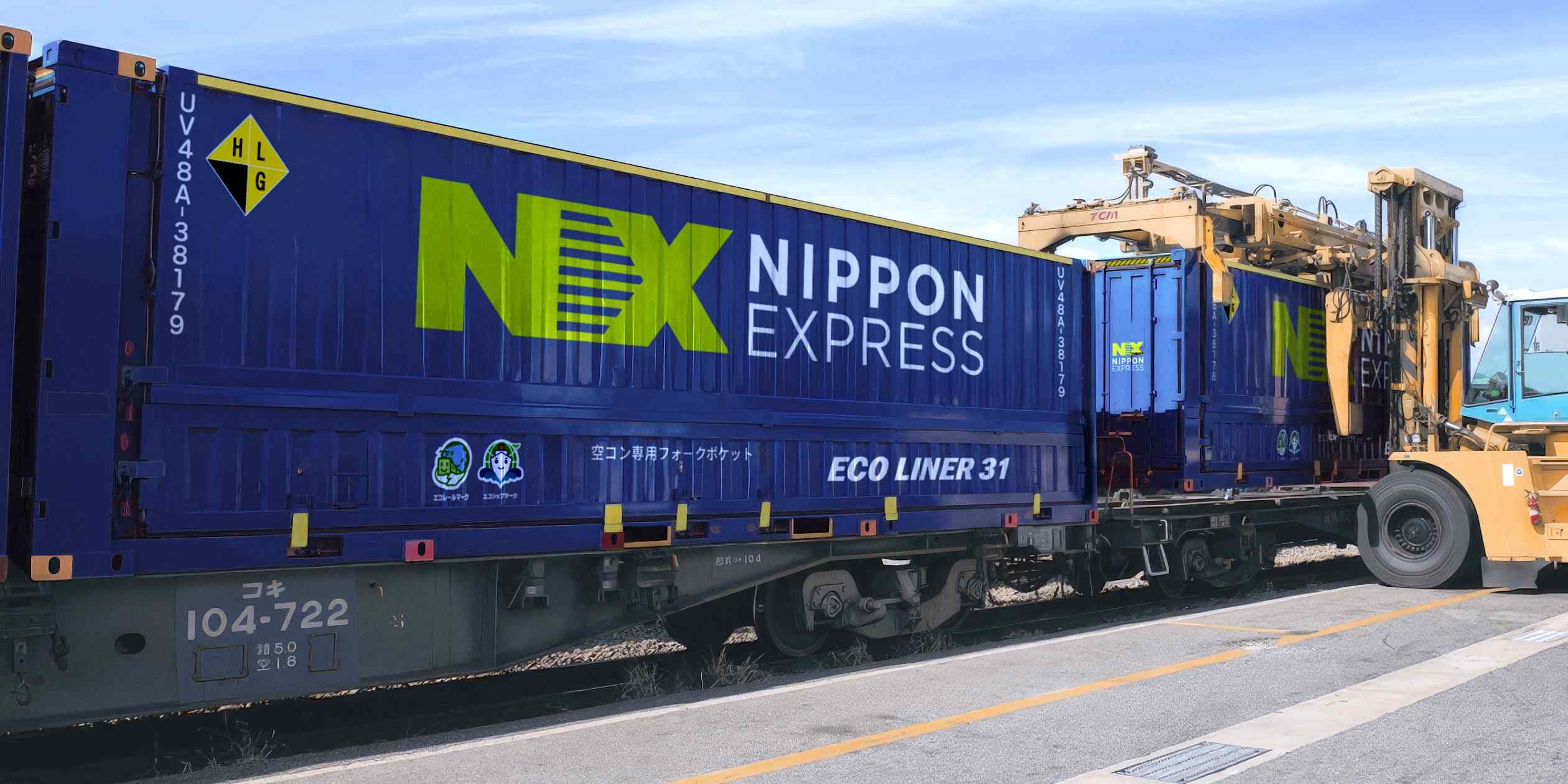
According to asia.nikkei.com, Japanese logistics company Nippon Express Holdings will acquire Canadian-based Metro Supply Chain Group for $1.25 billion (approximately 200 billion yen) by the end of 2026.
Strategic Expansion into North America
This acquisition marks a major step in Nippon Express’s long-standing strategy to strengthen its global footprint—particularly in North America, where it has historically held a smaller market share compared to its dominance in Asia and Europe. Metro Supply Chain Group operates a diversified logistics network across Canada and the United States, with capabilities spanning warehousing, distribution, transportation management, and value-added services such as kitting and light assembly. Its infrastructure includes over 30 facilities totaling more than 10 million square feet, serving clients in retail, consumer goods, healthcare, and industrial sectors.
Context: A Consolidating Global Logistics Landscape
The deal arrives amid accelerating consolidation among third-party logistics (3PL) providers. In recent years, DHL acquired UK-based Panalpina in 2019 for €4.1 billion; UPS purchased UK-based freight forwarder Coyote Logistics in 2015 for $1.8 billion; and C.H. Robinson expanded its North American asset-light model through targeted acquisitions and technology integration. Unlike many peers that emphasize digital platforms or air freight specialization, Nippon Express has prioritized physical infrastructure growth—evidenced by its 2023 launch of new logistics hubs in India and Vietnam, and its 2025 agreement with Japan Airlines and ANA to co-develop temperature-controlled pharma logistics corridors.
For supply chain professionals, this acquisition signals heightened competition for integrated, scalable North American fulfillment capacity—especially near key border crossings and inland distribution nodes. Metro’s existing contracts with major Canadian retailers and U.S.-based e-commerce enablers mean Nippon Express will inherit not only assets but also embedded service-level agreements, compliance frameworks (including CSA-certified cross-border operations), and regional labor relationships. Practitioners should anticipate tighter capacity in Ontario and Quebec warehousing markets, potential re-negotiation cycles for multi-year logistics contracts tied to Metro’s legacy pricing models, and accelerated adoption of Nippon Express’s proprietary TMS platform—already deployed across its Asian and European networks.
Source: Nikkei Asia
Compiled from international media by the SCI.AI editorial team.