According to www.scmp.com, US and European importers are shifting some orders back to China amid energy-market volatility linked to the US-Israeli war in Iran — a development threatening Southeast Asia’s supply chains and prompting reassessment of regional sourcing strategies.
Canton Fair Signals Shift in Buyer Behavior
The China Import and Export Fair (Canton Fair) — widely regarded as a bellwether for China’s export sector — is showing tangible signs of this realignment. The current edition spans a record 1.55 million square metres (16.7 million square feet) and hosts over 32,000 companies, according to organisers. More than 210,000 overseas buyers preregistered by April 2, up 20 per cent year on year. Exhibitors report a visible recovery in attendance from Europe and the United States compared to last year, with increased inquiries for home appliances, new energy products, and consumer electronics.
Exporters Report Reinforced Reliance on Chinese Supply Chains
Liang Qiuyan, overseas market director at Zhixin Electronics — a Guangdong-based massage chair exporter — confirmed the trend: “From the clients visiting the Canton Fair, we can clearly feel the return of European and US customers”, she said, adding that some were reinforcing their reliance on Chinese supply chains, with “potentially more orders this year”.
“From the clients visiting the Canton Fair, we can clearly feel the return of European and US customers”, she said, adding that some were reinforcing their reliance on Chinese supply chains, with “potentially more orders this year”. — Liang Qiuyan, overseas market director at Zhixin Electronics
Zhixin Electronics expects revenue to grow 30 to 40 per cent in 2026, driven mainly by Europe and the United States. Liang noted that Washington’s current tariffs on China have had only a limited impact on the company’s order flow.
Why Southeast Asia Is Under Pressure
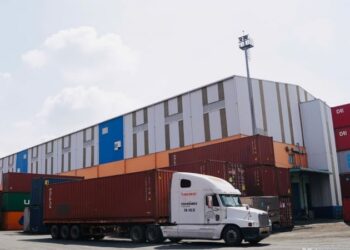
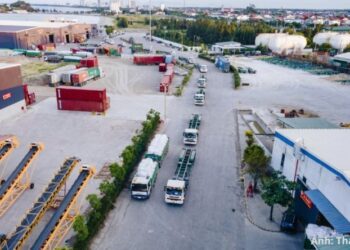
This shift occurs as companies weigh growing risks in Southeast Asia — a region that has expanded manufacturing capacity in recent years amid corporate efforts to diversify supply chains away from China. However, the region now faces acute energy supply uncertainty and production risks stemming from the Iran-related conflict and its ripple effects on global energy markets. These disruptions are undermining the very advantages — lower labor costs, trade incentives, and proximity to key markets — that attracted Western firms to relocate or expand there.
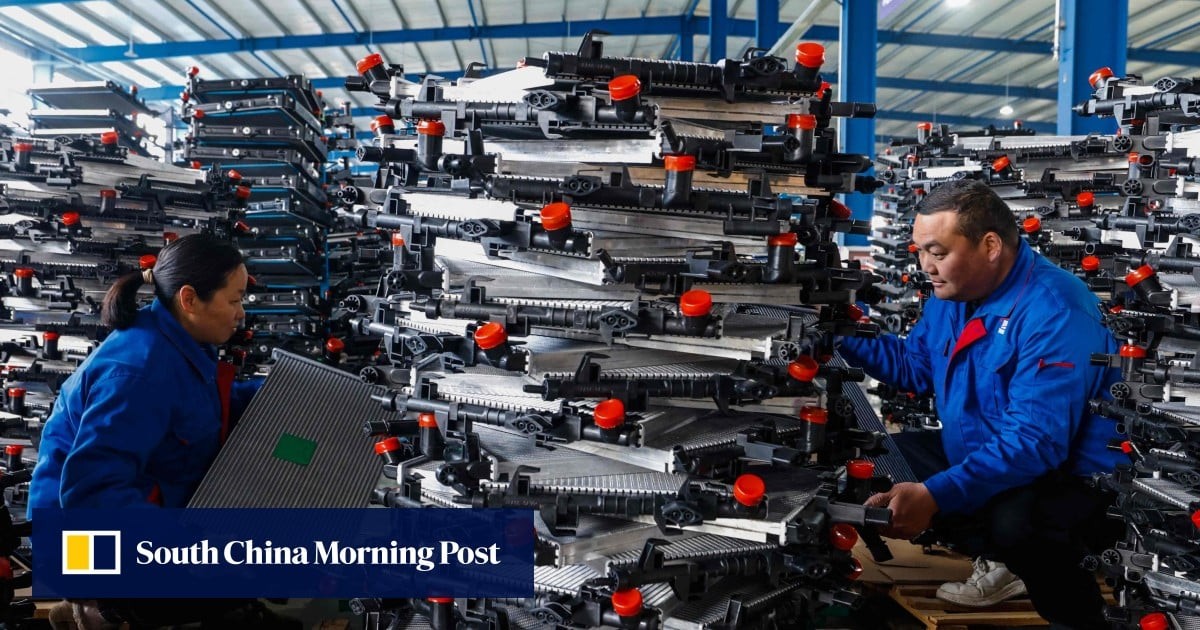
For supply chain professionals, this underscores a critical tension: while nearshoring and friend-shoring remain strategic imperatives, geopolitical shocks can rapidly erode the stability of alternative hubs. Southeast Asia’s infrastructure — particularly its power grid resilience and fuel import dependency — appears less equipped than China’s to absorb sudden energy price spikes or logistical bottlenecks tied to Middle East instability. Meanwhile, China’s vertically integrated industrial base, mature logistics networks, and scale-driven cost efficiencies continue to offer relative predictability — even amid tariff headwinds.
Source: South China Morning Post
Compiled from international media by the SCI.AI editorial team.