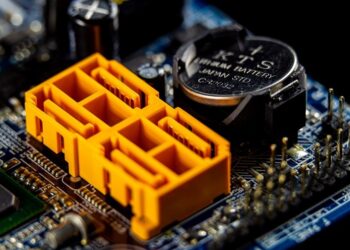
As the global semiconductor supply chain continues to face tension, Japan and South Korea, as important semiconductor producing countries, are facing new challenges and opportunities. The complementarity between the two countries in semiconductor materials, equipment, and manufacturing technology provides a foundation for deepening cooperation.
Recently, South Korea’s semiconductor exports recorded the strongest growth in nearly four decades, mainly due to continued strong global chip demand. However, bottlenecks in the supply chain still exist, particularly in the supply of key materials and equipment.
Japan has advantages in the semiconductor materials field, while South Korea leads in chip manufacturing technology. The two countries are exploring the establishment of closer supply chain cooperation mechanisms, including:
1. Semiconductor material supply guarantee mechanisms
2. Equipment technology cooperative research and development
3. Talent training and exchange programs
4. Supply chain risk early warning systems
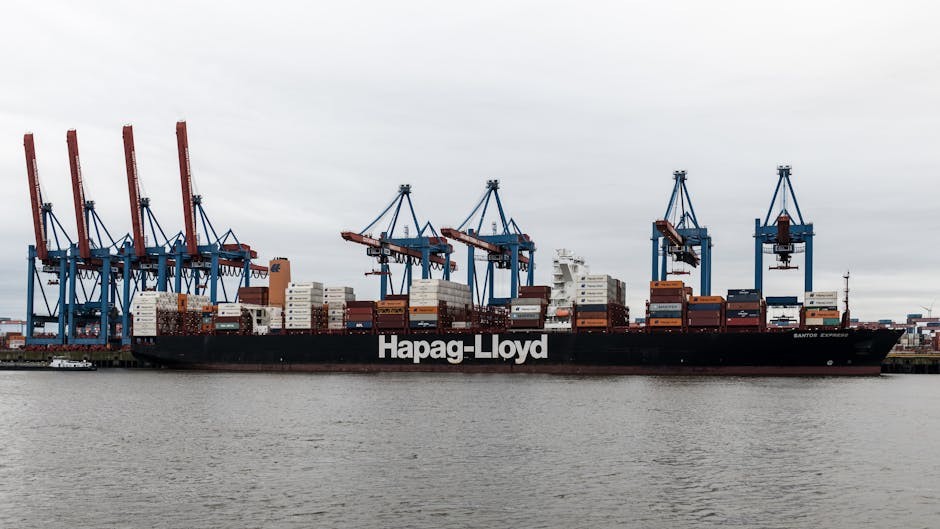
Additionally, the two countries are considering establishing a semiconductor supply chain emergency response mechanism to address potential supply chain disruptions caused by geopolitical risks or natural disasters.
Experts point out that Japan-Korea semiconductor supply chain cooperation will not only help alleviate global chip shortages but also enhance the competitiveness of both countries in the global semiconductor industry. In the current complex international environment, strengthening supply chain cooperation has become a consensus in the industrial circles of both countries.