According to www.globaltrademag.com, tariffs and geopolitical tensions are actively reshaping global supply chains — yet many CEOs remain inactive despite mounting evidence of structural disruption.
Tariffs Are Now Structural, Not Episodic
Trade policy shifts are occurring in real time, and tariffs have evolved from temporary disruptions into enduring features of the global economy. The WTO’s Global Trade Outlook and Statistics report, published in March 2026, states that foreign direct investment (FDI) in tariff-exposed, value chain-intensive sectors fell 25 percent in 2025. Textiles, electronics, and machinery were among the hardest-hit industries, according to the report.
Mounting Pressure Across Logistics Corridors
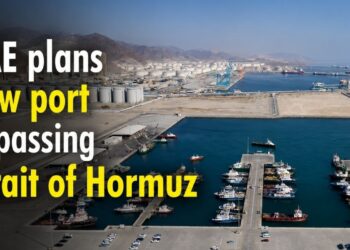
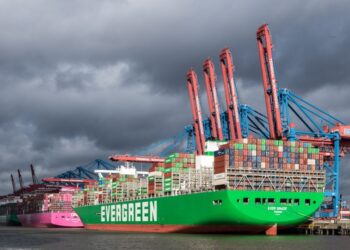
Physical supply chain strain is intensifying. Shipping disruptions across the Red Sea and Strait of Hormuz, coupled with rising air freight costs, are tightening logistics networks. These pressures are compressing lead times and exposing vulnerabilities in companies relying on concentrated, single-corridor supply chains.
CEO Inaction Widens Strategic Risk Gap
The source states that delay is no longer a neutral choice: “Delay is no longer a neutral choice. It is increasing risk and widening the gap between companies that act and those that wait.” The IMF’s World Economic Outlook warns that while firms absorbed tariff costs during the post-pandemic period, that capacity is eroding — making price increases “increasingly unavoidable.”
Operational Realities Accelerate Booking Timelines
Logistics execution is also shifting. According to Akhil Nair, SEKO’s VP Global Carrier Management & Ocean Strategy APAC, “Compared to previous years, shipments need to be booked up to eight weeks earlier than usual.” This reflects heightened volatility and reduced buffer capacity across carrier networks.
Industry Context for Supply Chain Professionals
This trend aligns with broader industry responses. For example, automotive manufacturers PACCAR, Daimler Trucks North America, and Volvo Group recently secured federal funding for battery-electric and fuel cell electric truck development — signaling parallel investments in both decarbonization and supply chain resilience. Meanwhile, U.S. importers are innovating financially: some now seek loans using tariff refunds as collateral following a recent Supreme Court ruling. Such adaptations underscore how trade finance, procurement timing, and transportation mode selection are converging as integrated levers for mitigating tariff-driven risk. For practitioners, this means revisiting sourcing maps not only for cost but for tariff exposure, diversifying port gateways beyond traditional hubs like Los Angeles (which just secured $70M in federal infrastructure funding), and embedding real-time trade policy monitoring into supplier risk assessments.
Source: www.globaltrademag.com
Compiled from international media by the SCI.AI editorial team.