According to en.yna.co.kr, South Korea and Japan agreed on March 14 to establish a regular policy dialogue between their respective industry ministries to jointly address trade, economic security, and supply chain challenges.
Structured Bilateral Coordination
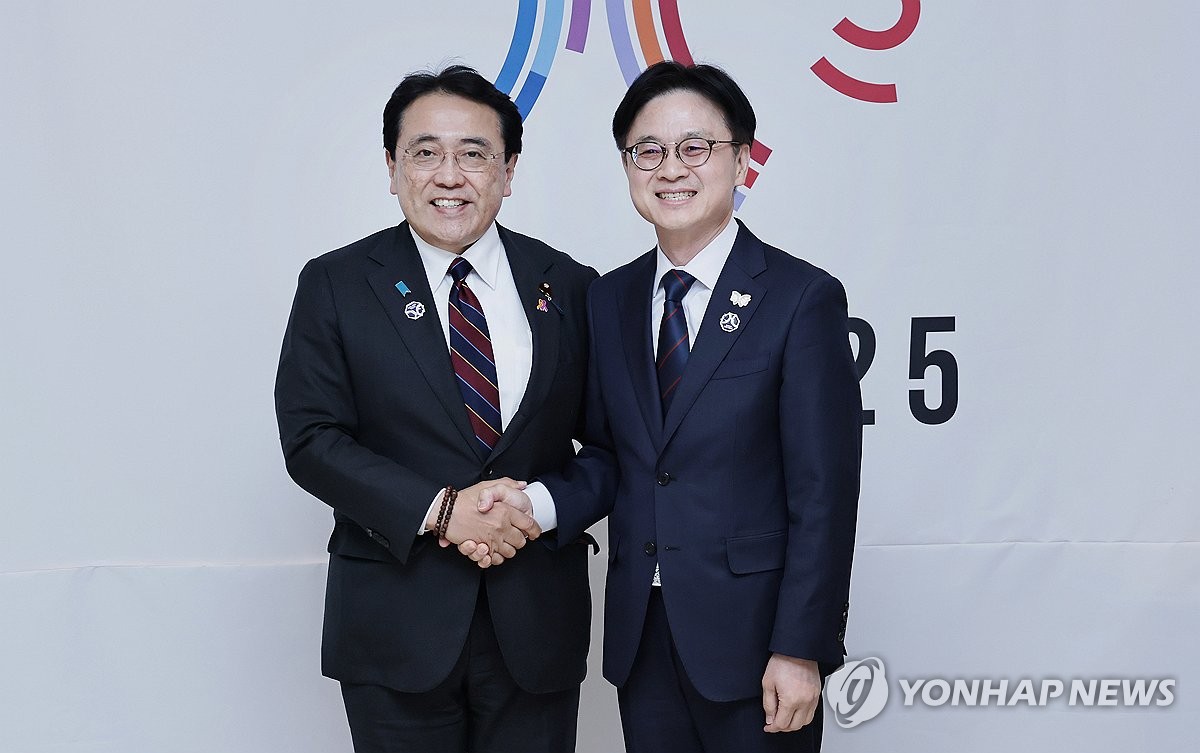
The agreement was reached during a meeting between South Korean Industry Minister Kim Jung-kwan and Japanese Industry Minister Ryosei Akazawa, held on the sidelines of the inaugural Indo-Pacific energy security ministerial meeting in Tokyo. The two ministers committed to comprehensive monitoring and management of economic issues—including trade cooperation, economic security, supply chains, and mineral resources—amid a rapidly shifting global trade and geopolitical environment.
Supply Chain Partnership Arrangement (SCPA)
The two countries signed a bilateral Supply Chain Partnership Arrangement (SCPA) aimed at strengthening readiness against potential disruptions and enhancing joint response capacity. A core objective is to minimize unnecessary trade restrictions that undermine supply chain resilience. The SCPA also explicitly supports expanded cooperation in joint exploration, investment, and technology development for critical minerals and resources.
LNG Operational Cooperation
Concurrent with the ministerial agreement, Korea Gas Corp. and Japanese energy firm JERA Co. signed an operation cooperation agreement featuring a liquefied natural gas (LNG) swap arrangement. This move responds directly to volatility in the global energy market driven by ongoing turmoil in the Middle East.
Strategic Context for Supply Chain Professionals
This initiative builds on the 60th anniversary of normalized diplomatic relations between Seoul and Tokyo—a milestone that underscores renewed institutional commitment amid intensifying regional competition over strategic inputs. For global supply chain professionals, the SCPA signals a formalized mechanism for real-time coordination on export controls, dual-use technology licensing, and critical material stockpiling—areas where both nations are major suppliers (e.g., Korea’s dominance in battery-grade nickel refining and Japan’s leadership in high-purity graphite and rare earth magnet production). Notably, this follows similar bilateral frameworks: the U.S.–Japan Economic Policy Consultative Committee launched its Supply Chain Resilience Working Group in 2022, while the U.S.–EU Trade and Technology Council established a Critical Raw Materials Agreement in 2023. Unlike those broader multilateral efforts, the Korea–Japan SCPA focuses specifically on operational interoperability—such as harmonizing customs data exchange protocols and aligning standards for battery material traceability—making it actionable for procurement and logistics teams managing cross-border manufacturing flows in electronics and electric vehicles.
“The Seoul government will work to continuously develop the mutually beneficial industrial and trade cooperation between Korea and Japan, building on the 60th anniversary of the normalization of bilateral diplomatic relations.” — Kim Jung-kwan, South Korean Industry Minister
Source: en.yna.co.kr
Compiled from international media by the SCI.AI editorial team.