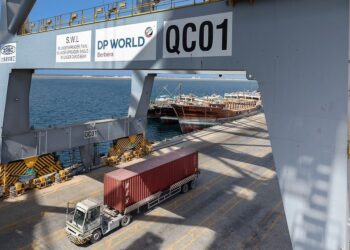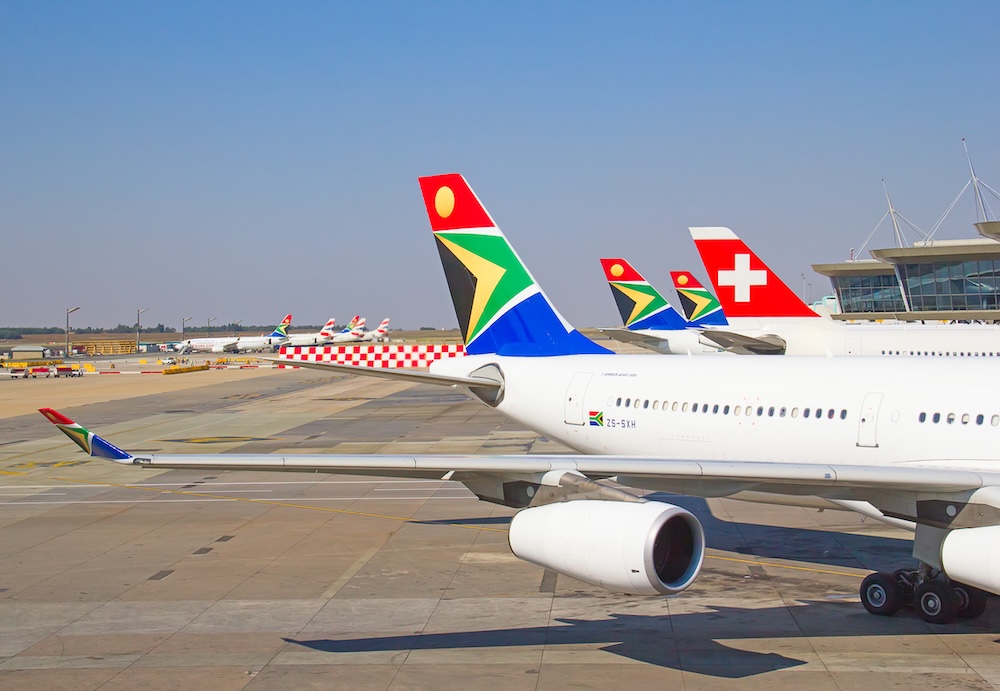
According to aircargoweek.com, Africa’s airfreight sector is projected to grow 6 percent in 2025—well above global forecasts—driven by rising intra-African trade, expanding consumer demand, and the strategic adoption of air cargo for supply chain resilience. This growth reflects a structural shift, not a cyclical rebound, as companies move away from sea-dominated logistics toward integrated airfreight solutions that combine freight, customs clearance, and last-mile delivery.
A Strategic Pivot from Sea to Air
Maham Diallo, director of technical textile operations, described the pre-pandemic norm: “Cost optimisation was everything. Ninety-five percent of our supplies arrived by sea, with six to eight-week delivery times from Asia. Airfreight was a luxury, reserved for emergencies—a broken machine, missing tooling, or very lightweight, high-value electronics. It was under five percent of our flow and strictly controlled.” Today, airfreight is no longer contingent—it’s central. As Diallo notes, “Everyone operated this way: competitors, suppliers… Sea freight was the backbone. Our annual goal was simply to cut container costs by two to three percent.” That calculus is changing.
Integrated Providers Rise Across the Continent
Senegal-based tech-focused logistics firm Paps exemplifies the new model. Its express service, Easy Coly, delivers packages from France to Senegal several times weekly—and it serves as the official representative of China for this purpose. Marketing director Baye Fily explains: “We serve businesses and individuals. B2B remains our strength, but B2C is growing. Airfreight allows clients to bypass 40-day sea shipping. It’s a solution for companies discovering resilience in supply chains and for established exporters.” Paps now offers end-to-end services: air and sea freight, national and international transport, transit, customs clearance, and last-mile delivery. “We handle everything from start to finish,” says Fily.
Emerging Hubs and Persistent Constraints
Regional airfreight hubs are gaining traction. Ethiopian Airlines handled over 700,000 tons in 2023. Nairobi is upgrading cold-chain capacity for horticulture exports. Casablanca launched a new freight link to Dakar in January 2026. Oman Air Cargo inaugurated a Kigali route in June 2026—bypassing traditional European platforms. Intra-African airfreight grew +16.6 percent in October 2025, the fastest globally, fueled by the AfCFTA and demand for perishables and pharmaceuticals.
Yet structural bottlenecks remain:
- Freight remains concentrated at Addis Ababa, Nairobi, Johannesburg, and Casablanca
- Ageing infrastructure and limited refrigerated storage outside major hubs
- Manual customs procedures persist across much of the continent
- External intermediaries control 91 percent of container capacity
- Gulf hubs like Dubai and Doha still handle significant African airfreight volumes
Yaya Ahmed Lamine, an African trade and logistics specialist, observes: “Key regional hubs are emerging… Intra-African airfreight is growing fastest globally, +16.6 percent in October 2025, fuelled by the AfCFTA and demand for perishables and pharmaceuticals.”
Logistics Costs as a Competitive Determinant
Dr Eugene Nweke of SEREC underscores the stakes: “Countries succeeding under AfCFTA will minimise logistics costs, ensure predictability, and operate reliable supply chains. Airfreight is no longer secondary; it determines competitiveness.” High port and airport surcharges act as non-tariff barriers penalising local exporters. Meanwhile, access to reliable airfreight unlocks export potential for high-value goods—fresh produce, pharmaceuticals, technical textiles—to markets across Africa’s 1.3 billion-consumer single market.
Source: aircargoweek.com
Compiled from international media by the SCI.AI editorial team.