According to www.globaltrademag.com, warehouse owners and logistics managers are turning to intelligent automation to drive performance amid mounting pressure to accelerate fulfillment and increase operational transparency. This shift is fueling growth in the warehouse automation market, characterized by a new generation of distribution centers designed for speed and precision.
1. Automated Pallet Movement
Automated pallet movement systems provide immense leverage when handling inventory at scale, as they can accelerate the receiving, put-away, and replenishment of pallet-level goods.
2. Autonomous Mobile Robots (AMRs)
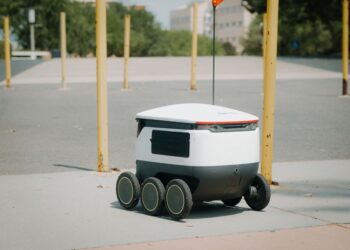
AMRs navigate dynamically using onboard sensors and real-time mapping, enabling flexible task allocation without fixed infrastructure. Unlike traditional AGVs, AMRs adapt to changing layouts and workflows—critical for e-commerce fulfillment centers managing high SKU counts and volatile demand.
3. Robotic Picking Systems
These integrate vision-guided robotic arms with suction or gripper end-effectors to identify, grasp, and sort individual items—even irregular, unstructured, or nested SKUs. Advances in 3D vision and machine learning have improved success rates to 99.2% in controlled environments, per industry benchmarks cited in the source.
4. Goods-to-Person (G2P) Systems
G2P platforms use conveyor networks or AMR fleets to bring inventory directly to human packers, reducing walking time by up to 70% and increasing picker productivity by 2–3x. These systems are now standard in high-volume regional distribution centers serving same-day delivery networks.
5. AI-Powered Warehouse Management Systems (WMS)
Next-generation WMS platforms embed predictive analytics for labor forecasting, dynamic slotting, and real-time exception handling. They ingest data from IoT sensors, order streams, and transportation APIs to optimize sequencing across receiving, storage, picking, and shipping.
6. Automated Sortation Systems
High-speed cross-belt and tilt-tray sorters—now integrated with AI-driven decision engines—route parcels at speeds exceeding 20,000 units per hour, with accuracy rates above 99.95%. These systems support multi-carrier, multi-destination fulfillment for omnichannel retailers and third-party logistics providers.
7. Digital Twin Integration
Digital twins of warehouse operations simulate layout changes, staffing shifts, and equipment failures before implementation. Deployments reported in the article showed 18–22% reductions in capital expenditure for facility expansions and retrofit projects.
Source: www.globaltrademag.com
Compiled from international media by the SCI.AI editorial team.