As automation sweeps through the global logistics industry, companies are racing to adopt new technologies to maintain competitiveness. However, not every company is following Amazon’s in-house development path. Logistics giant FedEx has recently made it clear that its automation strategy prioritizes partnerships with specialized robotics companies over developing proprietary technology.
From In-House to Partnership: FedEx’s Strategic Shift
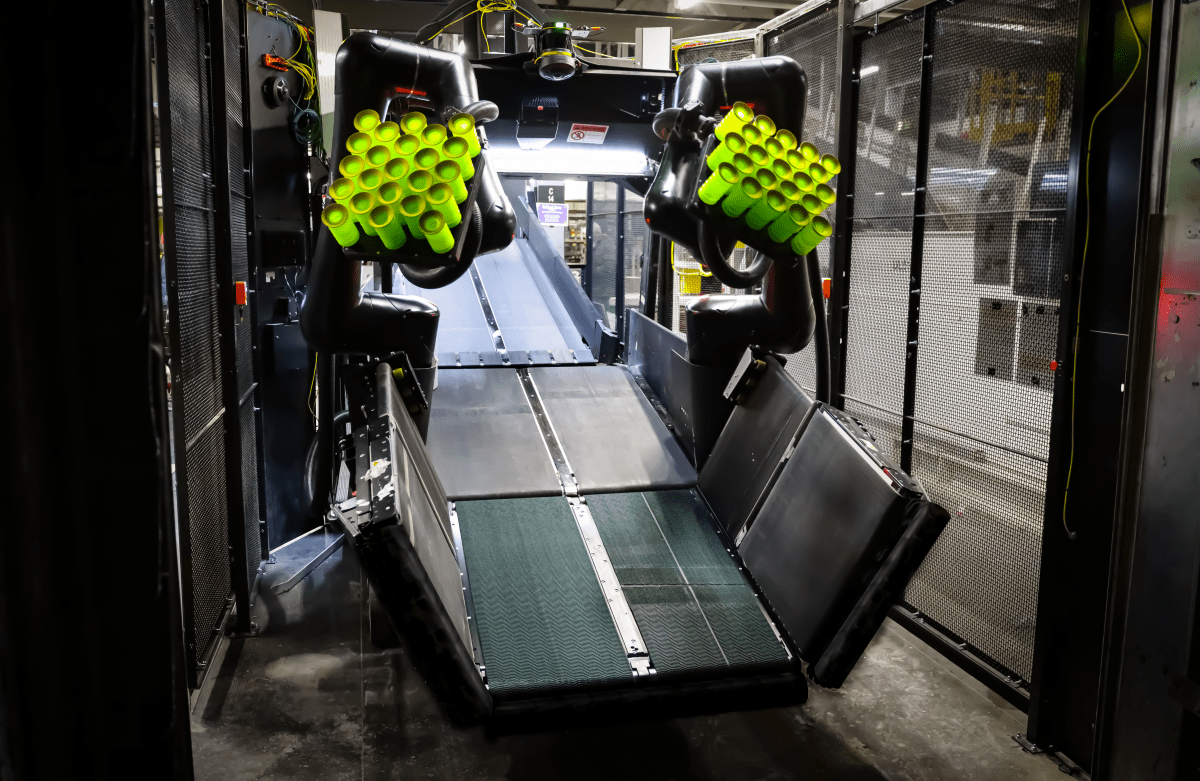
FedEx recently announced a multi-year partnership with SoftBank-owned robotics company Berkshire Grey to develop Scoop, a robot designed specifically for bulk package unloading. This robot can remove large bundles of multiple parcels from a truck at once, addressing one of the most challenging tasks in warehouse operations.
“Bulk unloading is one of the most physically demanding and unpredictable jobs in the FedEx warehouse. We’ve attempted to automate bulk unloading before but had trouble finding the right robot.” — Stephanie Cook, director of advanced technology and innovation, robotics at FedEx
She added: “There’s nothing off-the-shelf that we recognize will work for our needs. We worked with Berkshire Grey in the past and felt this was a good fit for us in terms of collaboration.”
Why Choose a Partnership Model?
O.P. Skaaksrud, vice president of advanced technology and innovation at FedEx, explained the rationale behind the partnership approach: “Developing sensor hardware is complicated, but developing robotics capabilities is next level. Partnering with other companies in the field allows us to move faster. We see these partnerships as really benefiting both FedEx and the companies we work with.”
This strategy reflects FedEx’s pragmatic approach to automation investment. The company focuses first on automating the most dangerous and physically demanding jobs, which tend to be repetitive, allowing employees to transition to safer, higher-skilled positions.
A Diverse Partner Network
Berkshire Grey isn’t FedEx’s only automation partner. The company has built a diverse network of partnerships in its automation journey:
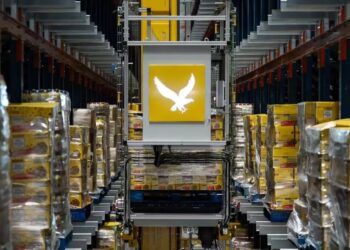
- Warehouse Automation: Partnership with Dexterity, a robotics startup with billion-dollar valuation that specializes in robots with a “human-like” touch; collaboration with another unicorn startup Nimble that builds fully autonomous warehouses.
- Autonomous Trucking: Pilot deal with autonomous trucking startup Aurora Innovation in 2021 to haul packages on defined routes in Texas, with over 3,200 autonomous loads completed.
- Last-Mile Delivery: Partnership with autonomous last-mile delivery robotic company Nuro in 2021, though Nuro later shifted to licensing autonomous technology, FedEX maintains focus on last-mile delivery solutions.
Pragmatic Technology Adoption Strategy
Despite intense competition in automation, FedEx says it won’t chase every new technology blindly. Skaaksrud emphasized: “Don’t be too focused only on the technology, because then we’re going to fail. This is really 3D chess that you’re playing here. You have to solve for all these different, often not so glamorous components.”
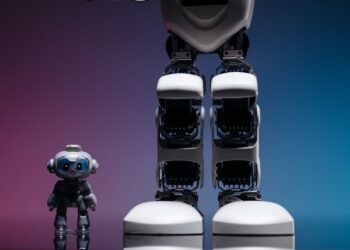
The company remains cautious about humanoid robots, currently a hot topic in robotics. Skaaksrud noted: “Humanoids are very interesting, and we’re definitely paying attention, but it’s about fit for purpose. You have to figure that out because the hype is really high, but there’s a lot of potential there long-term. You have to understand the limitations and set your expectations accordingly.”
Implications for the Logistics Industry
FedEx’s partnership strategy offers important insights for the logistics industry:
- Specialization: Logistics companies focus on core operations while leaving technology development to specialists.
- Risk Mitigation: Spread technology development risk through partnerships.
- Accelerated Innovation: Leverage the agility and innovation capabilities of startups.
- ROI Focus: Prioritize automation in areas with clear return on investment.
Future Outlook
As Scoop robots begin pilot testing in FedEx warehouses later this year, the company will evaluate their potential for scaling. While these robots won’t work with every single one of FedEx’s thousands of unloading doors, successful pilots could lead to expanded deployment.
Cook emphasized that technology design must center on warehouse workers, making their jobs easier while maintaining safety. This human-centric philosophy may be key to the ultimate success of FedEx’s automation strategy.
Led by the $84 billion FedEx, the logistics industry’s automation transformation is moving toward a more pragmatic, collaborative direction, providing a new paradigm for technology adoption across the sector.
Source: TechCrunch
Compiled from international media by the SCI.AI editorial team.