# Microsoft’s Supply Chain 2.0: AI Agents, Digital Twins, and Physical AI Redefine Logistics
## Introduction
Microsoft is leading a fundamental transformation in global supply chain management through its Supply Chain 2.0 initiative. This paradigm shift moves beyond traditional supply chain SaaS platforms to create autonomous, self-optimizing systems powered by three interconnected technologies: AI-powered simulations, agentic automation, and physical AI. As “customer zero,” Microsoft applies these innovations across its own massive infrastructure—spanning **70+ Azure regions, 400+ datacenters, and 600,000+ km of fiber optic network**. With **over 25 production AI agents** already deployed and a goal of **100+ agents by end of 2026**, Microsoft is demonstrating how supply chains can evolve from reactive systems to predictive, autonomous networks.
## Microsoft’s Internal Transformation
Microsoft’s supply chain journey began with consolidating 30+ disparate systems into a unified Azure Data Lake in 2018. This created the foundation for predictive analytics and eventually AI agent deployment. Today, the company operates a sophisticated agent architecture including demand planning agents that reduce forecast error by **22% year-over-year**, spare-part space solvers that increase storage density by **18.4%**, and cargo pilot agents that reduce transoceanic shipment variance from ±14 days to ±3.2 days.
## Digital Twin Revolution
Microsoft’s integration of NVIDIA Omniverse with Azure services creates “operational digital twins” that enable real-time simulation of supply chain disruptions. These high-fidelity simulations allow companies to stress-test their operations against scenarios like port closures, supplier failures, and climate events. Partner SoftServe deployed such solutions for Krones AG, reducing simulation runtime from **hours to under 5 minutes** after engineering changes.
## Agentic Supply Chains
AI agents represent the next evolution in supply chain automation, moving beyond rule-based systems to goal-oriented, context-aware autonomy. Microsoft’s agent architecture enables coordinated swarms of specialized agents that can handle complex workflows without human intervention. Real-world implementations include CSX Transportation’s multi-agent system that reduced customer validation time from **3.2 days to 11 minutes**, and Dow Chemical’s invoice analysis agent that saves **1,200+ hours monthly** in manual reconciliation.
## Physical AI Integration
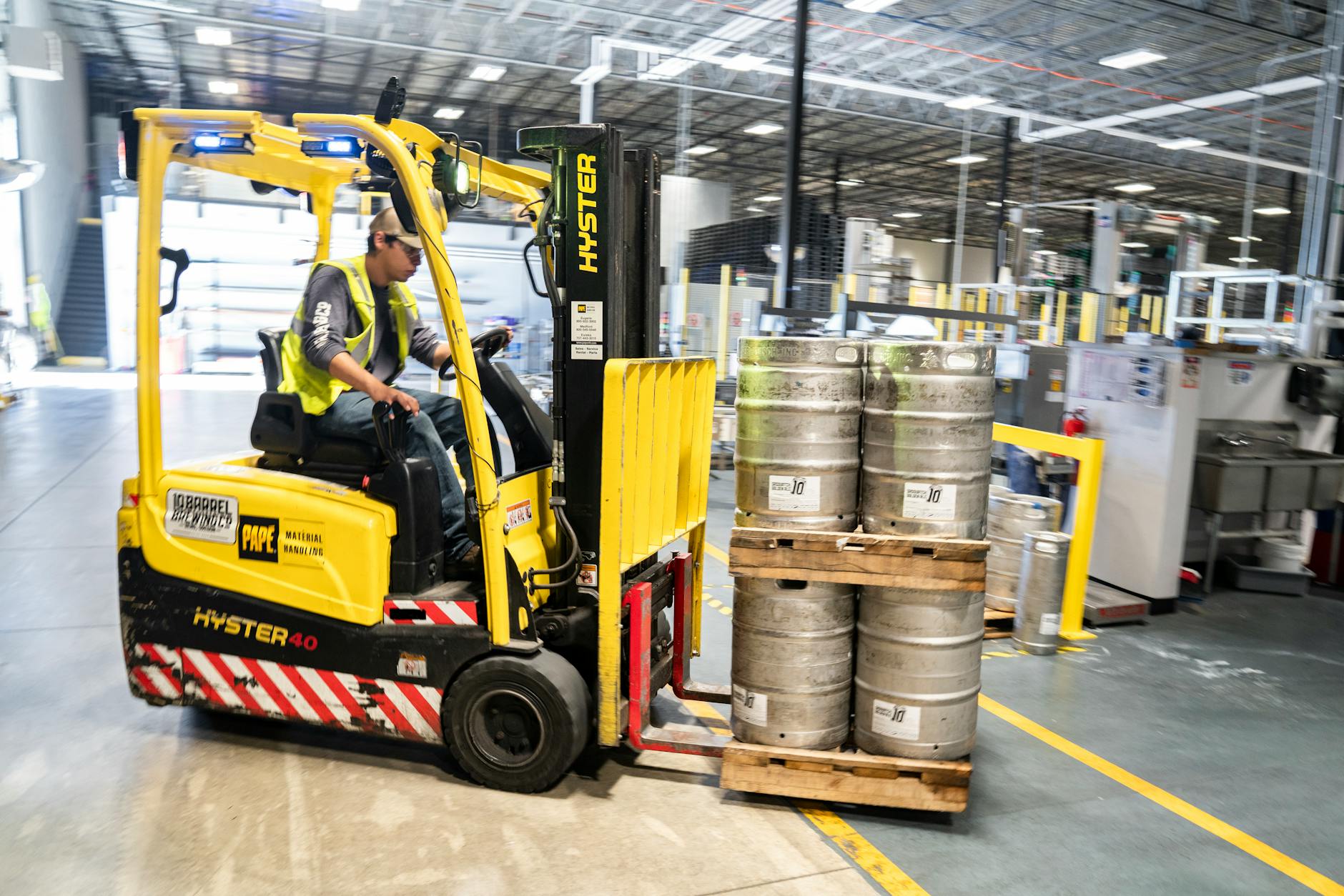
Physical AI brings intelligence into the physical world through robotics and automation. Microsoft’s Rho-alpha robotics model combines natural language understanding, visual perception, and tactile feedback to enable adaptive warehouse automation. Partners like Hexagon Robotics deploy AEON humanoid robots that achieve **92.7% task success rates** in complex environments, while KUKA’s iiQWorks.Copilot reduces robot programming time by **80%** through natural language interfaces.
## Ecosystem Collaboration
Microsoft’s Supply Chain 2.0 success relies on an extensive partner ecosystem. The Microsoft Marketplace hosts **200+ supply chain solutions**, with over 65% deeply integrated with Azure AI services. This collaborative approach ensures customers can select best-in-class components while maintaining interoperability across platforms.
## Conclusion
Supply Chain 2.0 represents more than technological advancement—it’s a fundamental rethinking of how supply chains operate in an increasingly volatile world. By combining AI agents for decision-making, digital twins for simulation, and physical AI for execution, Microsoft is creating supply chains that are not just efficient but resilient, adaptive, and capable of continuous learning. As these technologies mature, they offer a roadmap for any organization seeking to transform its supply chain from a cost center into a strategic advantage.
This article is based on Microsoft’s official blog post.