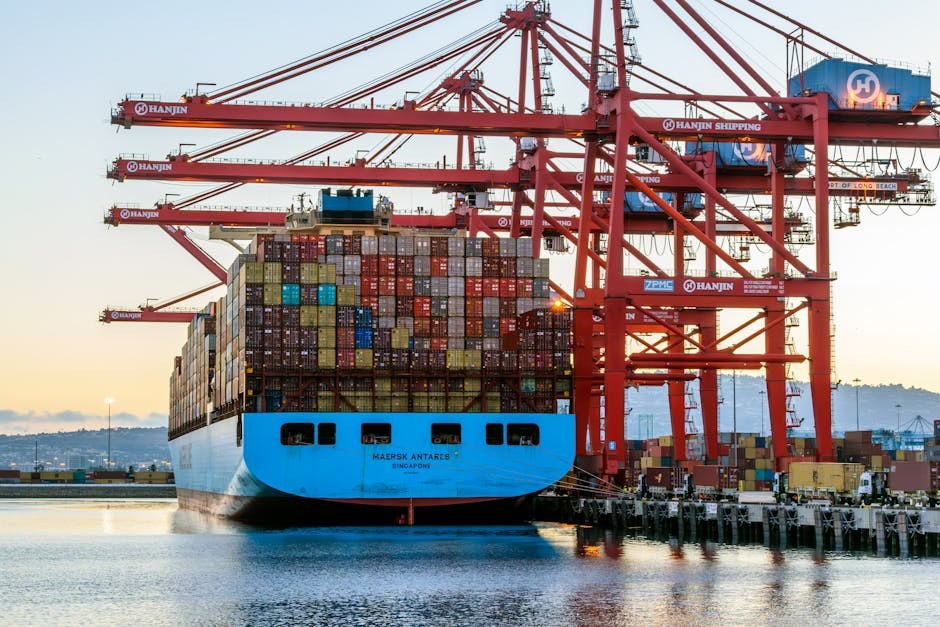
Global shipping giant Maersk (A.P. Moller-Maersk) has issued an urgent warning that the Strait of Hormuz, a critical global energy transportation corridor, may remain closed for an extended period, leading to a sharp rise in shipping costs and severe impacts on global supply chains. This geopolitical crisis is reshaping global shipping networks with profound implications for international trade.
Hormuz Strait Crisis Escalates: Global Shipping Networks Face Restructuring
In a customer advisory issued on March 24, Maersk described the current situation as “high-risk” and “rapidly evolving.” Although ports in the region remain technically operational, the security environment and ongoing conflict severely constrain normal shipping activities. The Strait of Hormuz is a vital passage for approximately 20% of global oil trade, and its prolonged closure would have massive implications for global energy supply and trade flows.
The Danish shipping giant confirmed that logistics disruptions are intensifying—not just in the Middle East but across global trade lanes. As network adjustments and rerouting ripple through supply chains, schedule reliability is expected to remain under pressure into the second quarter. Network changes require time to stabilize, meaning supply chain disruptions could persist for months.
Fuel Supply Shock: Global Bunker Markets in Disarray
One of the most immediate impacts is on fuel supply. Maersk said refinery outages and export constraints tied to the Hormuz closure have significantly disrupted global bunker markets, forcing vessels to refuel at alternative ports, often at elevated “war-zone” premiums. To manage the surge in costs, the company is introducing a global Emergency Bunker Surcharge effective March 25, underscoring how deeply the crisis is affecting shipping economics far beyond the Gulf region.
Simultaneously, the carrier is imposing a Strait of Hormuz Emergency Freight surcharge on cargo linked to Gulf destinations, reflecting the cost of rerouting shipments, arranging temporary storage, and deploying additional capacity. Cargo already in transit is being diverted into contingency solutions, with customers asked to choose between storing shipments in intermediate ports, returning them to origin, or redirecting them to alternative destinations.
Operational Adjustments: Maersk Significantly Scales Back Gulf Operations
Operationally, Maersk has significantly scaled back its exposure to the Upper Gulf. Booking suspensions are now in place across much of the region, including the UAE, Qatar, Bahrain, Kuwait, Iraq, and eastern Saudi Arabia, with restrictions covering a wide range of cargo types. Limited exceptions remain for essential goods such as food and medicine, as well as select gateways like Jeddah, Salalah, and Aqaba.
To bypass maritime bottlenecks, Maersk is expanding landbridge solutions across the Gulf while leaning more heavily on air freight, even as aviation markets face their own fuel-driven cost pressures. These alternatives are designed to keep cargo moving into key markets despite the effective shutdown of seaborne routes through Hormuz.
Emergency Logistics Solutions: Land Bridges and Air Freight Become Critical Alternatives
Facing the closure of maritime channels, Maersk is actively developing alternative logistics solutions. Landbridge solutions involve transporting goods by land to bypass the strait, while air freight becomes crucial for high-value and time-sensitive cargo. However, these alternatives face challenges: landbridge transport has limited capacity and higher costs, while the air freight market itself faces pressure from rising fuel prices.
Maersk stated that it is working closely with regional partners to establish temporary storage facilities and transshipment hubs to ensure continued cargo flow. While these emergency measures can alleviate some pressure, they cannot fully replace the Strait of Hormuz as a global trade artery.
Global Supply Chain Ripple Effects: From Energy to Consumer Goods
The closure of the Strait of Hormuz affects not only energy transportation but also global consumer goods supply chains. Trade routes between Europe and Asia require replanning, leading to extended transit times and increased costs. The transportation of automotive parts, electronics, apparel, and other goods is affected, potentially leading to higher consumer prices.
Supply chain experts warn that this crisis could trigger a “butterfly effect,” where logistics disruptions in one region propagate through complex global supply chain networks to other areas. Companies need to reassess their supply chain resilience, considering diversified sourcing and transportation routes to mitigate geopolitical risks.
Future Outlook: Shipping Industry Enters Long-Term Contingency Mode
Looking ahead, Maersk’s outlook remains cautious. The company expects the operating environment to stay volatile, with the Strait of Hormuz likely to remain closed to commercial cargo vessel transits and regional airspace disruptions continuing to complicate logistics planning. Currently, one of the world’s largest shipping networks is operating in contingency mode—rerouting cargo, reshaping fuel supply chains, and passing through rising costs—while the industry braces for prolonged disruption at one of global trade’s most critical chokepoints.
Shipping analysts note that this crisis may prompt shipping companies to accelerate investment in alternative energy and more flexible logistics solutions. In the long term, geopolitical risk may become a more significant consideration in supply chain planning, driving companies to build more decentralized and resilient logistics networks.
Source: gCaptain – Maersk Warns of Prolonged Hormuz Shutdown as Shipping Costs Surge