The opening of Maersk’s 1.1 million square feet, fully automated World Gateway II distribution centre in Singapore represents a significant milestone in the evolution of global supply chain management. This article delves into the implications of this expansion, examining the role of advanced automation, the strategic importance of Singapore in the Asia Pacific region, and the broader trends shaping supply chain resilience.
Maersk’s Strategic Expansion in Asia Pacific
Maersk’s investment in the new World Gateway II facility reflects the company’s commitment to expanding its logistics footprint in the Asia Pacific region. The location of the facility, strategically positioned near key transport infrastructure, underscores the importance of Singapore as a logistics hub.
- The facility’s proximity to the Tuas Port and Changi Airport ensures efficient distribution and connectivity.
- The existing 1.0 million square feet regional distribution centre provides additional operational support.
The Impact of Advanced Automation on Logistics
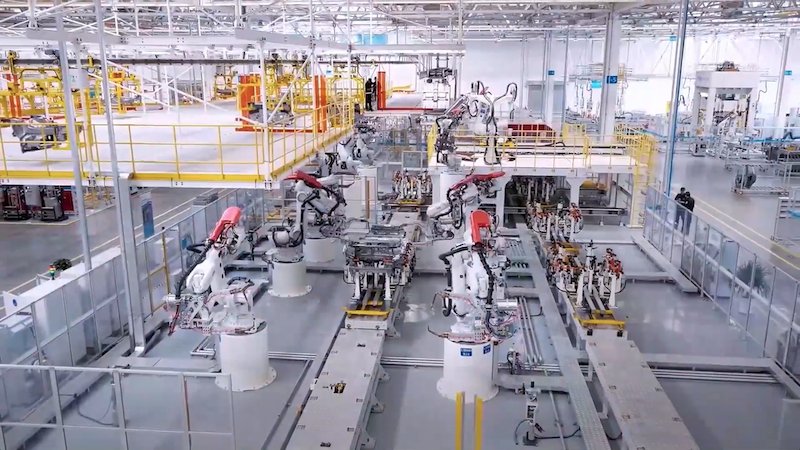
The introduction of cutting-edge automation technologies in the new facility is expected to revolutionize the efficiency of logistics operations. The Multi-Shuttle System, ASRS, and ACRs promise faster order fulfillment, reduced lead times, and improved accuracy.
- Automation systems are expected to double the warehousing footprint in Singapore.
- The investment of more than S$200 million in World Gateway II demonstrates Maersk’s confidence in the market and the technology.
The Strategic Importance of Singapore in Global Supply Chains
Singapore’s strategic location and infrastructure have long made it a pivotal player in global trade and logistics. Maersk’s new facility further strengthens the city-state’s position as a leading logistics hub in the Asia Pacific region.
- World Gateway II will serve as a crucial hub for companies looking to scale across the region’s fast-growing markets.
- The facility will enhance Singapore’s ability to manage complex supply chains efficiently and effectively.
Supply Chain Resilience in a Globalized Economy
The expansion of Maersk’s logistics capabilities in Singapore underscores the importance of supply chain resilience in today’s globalized economy. The new facility is designed to provide companies with increased flexibility and adaptability to changing market conditions.
- Increased automation will enable faster response times to market disruptions.
- The facility’s strategic location will mitigate risks associated with longer transportation routes.
The Broader Impact of Digital Transformation in Logistics
The integration of advanced technologies in Maersk’s new facility is a testament to the broader trend of digital transformation in the logistics industry. This shift towards more efficient and automated operations is reshaping the way global trade is conducted.
- Automation is not only reducing costs but also improving service quality.
- The increased use of AI and robotics is expected to drive further innovation and efficiency in logistics operations.
Source: www.maersk.com
This article was AI-assisted and reviewed by our editorial team.