This article from **PYMNTS.com** (published March 18, 2026) delivers a timely and urgent analysis of how escalating geopolitical conflict — specifically the *war in Iran* — is acting as a high-stakes stress test for global trade finance and corporate financial resilience. Below is a concise, actionable synthesis tailored for finance leaders (CFOs, treasury managers, supply chain executives), highlighting implications, risks, and strategic levers:
## 🔑 Core Insights & Strategic Implications
### 1. **Geopolitical Risk Is Now a Working Capital Driver**
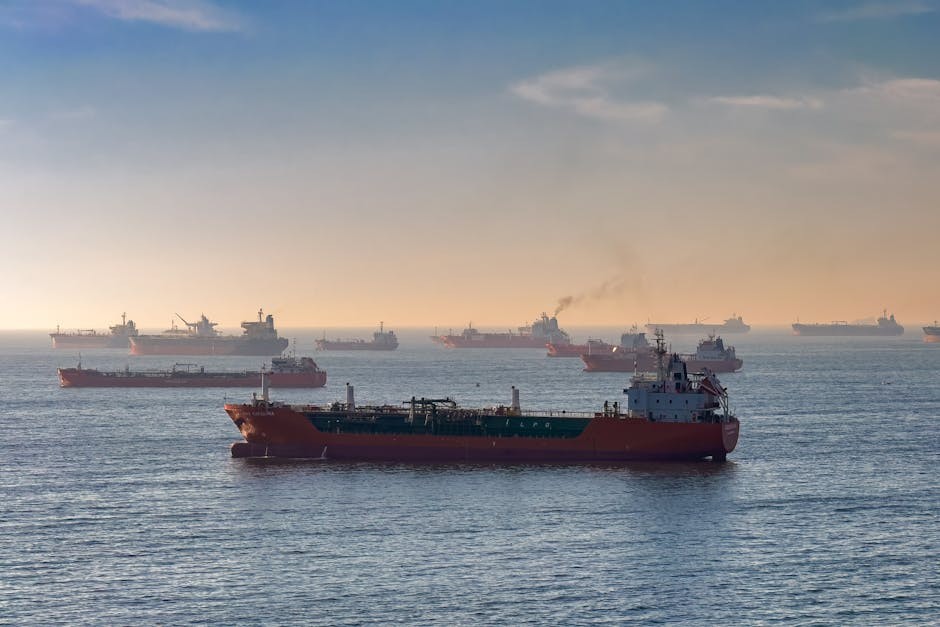
– The Strait of Hormuz — handling ~20% of global oil and critical high-value cargo — has become a near-standstill chokepoint due to security threats.
– **Consequence:** Extended transit times → inventory stuck in transit → ballooning working capital requirements.
– *Example:* A shipment that previously took 14 days may now take 35+ days — tying up capital without revenue generation.
### 2. **Paper-Based Trade Processes Are a Critical Vulnerability**
– Bills of lading, letters of credit, and inspection certs still largely move via courier — causing multi-day delays when rerouting is required.
– **Digital advantage:** Companies using integrated trade platforms can amend docs, update insurers, and adjust financing *in hours*, not days — preserving schedule integrity and cash flow predictability.
### 3. **Trade Finance Is Evolving Beyond Credit — Into Agility Infrastructure**
– Banks and insurers are rapidly adopting digital tools:
✅ Automated KYC/compliance checks
✅ e-BLs (electronic bills of lading)
✅ Real-time freight visibility APIs
– These aren’t “nice-to-haves” — they’re now *enablers of liquidity velocity*: faster approvals = faster disbursements = less supplier strain.
### 4. **Working Capital Innovation Is a Competitive Shield**
Per the PYMNTS/Visa report cited:
– **Virtual cards**, **dynamic discounting**, and **embedded supply chain finance (SCF)** let buyers extend payables *without harming supplier liquidity*.
– Smaller suppliers — most exposed to delays and margin pressure — benefit disproportionately from early-payment financing powered by digital trade data (e.g., verified shipment milestones).
### 5. **Insurance & Routing Costs Are Reshaping Logistics Economics**
– War risk insurance premiums have surged — adding direct cost pressure.
– Route diversions (e.g., Suez → Cape of Good Hope) increase fuel, time, and demurrage costs — eroding margins unless absorbed or passed through intelligently.
—
## 🚨 What CFOs Should Do *Now*
| Priority | Action |
|———|——–|
| **✅ Audit trade documentation flows** | Map end-to-end doc handoffs (bank → insurer → forwarder → customs). Identify paper bottlenecks — especially for LCs and BoLs. |
| **✅ Pilot an e-BoL + digital LC solution** | Prioritize corridors most exposed to Middle East disruption (e.g., Asia–Europe via Gulf, US–India air freight). |
| **✅ Embed real-time logistics data into treasury dashboards** | Integrate carrier APIs or TMS feeds to forecast cash tie-up (e.g., “ million delayed in transit this week”). |
| **✅ Revisit SCF program design** | Ensure financing triggers are tied to verifiable digital events (e.g., vessel departure confirmed via AIS), not just invoice submission. |
| **✅ Stress-test working capital under extended lead times** | Model impact of +15–30 day delays on operating cash flow, supplier payment terms, and credit lines. |
—
## 💡 Final Thought
> *“In an age where conflict thousands of miles away reshapes shipping routes overnight, the ability to move information as quickly as goods may prove to be the most valuable capability of all.”*
— This isn’t just about efficiency. It’s about **financial optionality**: the capacity to pivot documentation, financing, and payments *in real time* transforms trade finance from a back-office cost center into a frontline resilience engine.
Let me know if you’d like:
🔹 A one-page executive briefing deck (PDF/PPT-ready)
🔹 A vendor comparison matrix for digital trade platforms (e.g., essDOCS, Bolero, TradeLens successors, Contour)
🔹 A working capital stress-test Excel model based on transit delay scenarios
I’m ready to help operationalize these insights.
This article is AI-assisted and has been reviewed by the SCI.AI editorial team.
Source: pymnts.com
This article was AI-assisted and reviewed by our editorial team.