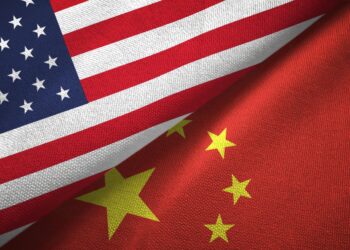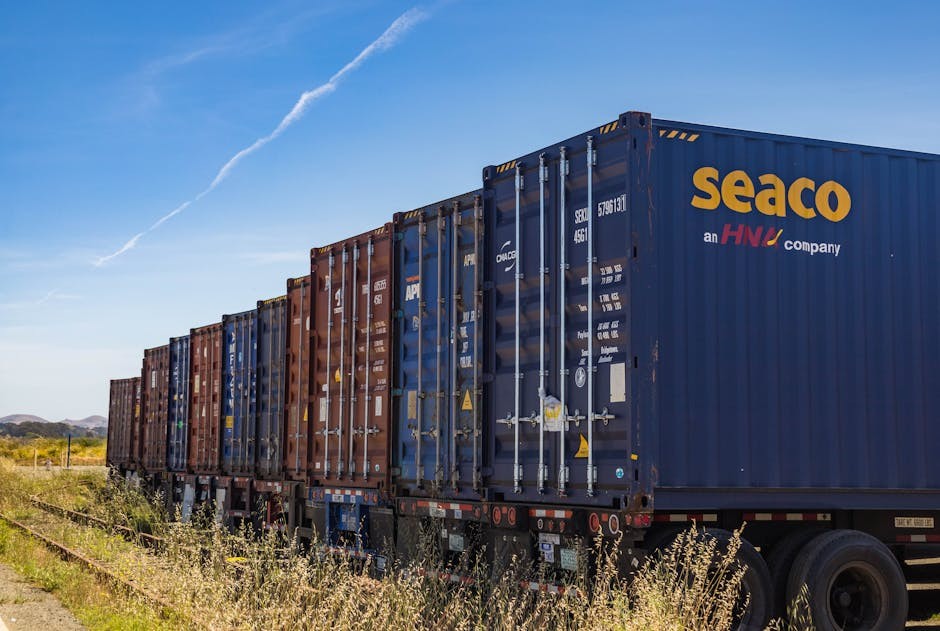
As the United States Trade Representative (USTR) continues to broaden its trade policy stance, the threat of new tariffs looms large over global supply chains. The administration’s recent Section 301 initiatives, targeting both ‘structural excess capacity’ and forced labor violations across 60 economies, present a complex challenge for companies reliant on international sourcing. This article delves into the implications of these initiatives, analyzing their impact on sourcing strategies and peak season demand.
Section 301 Tariffs: A New Phase of Trade Policy
The USTR’s Section 301 tariffs have been a cornerstone of the Trump administration’s trade policy, with a significant expansion in scope. Currently, 60 US trading partners are under scrutiny, signaling a strategic shift in the administration’s approach to global trade. This expansion includes not only traditional competitors like China and the European Union but also key manufacturing hubs in Southeast Asia and other regions.
Two key initiatives are driving this expansion: one focusing on ‘structural excess capacity’ in key manufacturing sectors, affecting 16 economies, and another addressing forced labor violations across 60 economies. The former targets countries with excessive production and capacity, while the latter seeks to combat forced labor practices. This dual-track approach allows the administration to deploy tariffs strategically, based on the findings of ongoing investigations.
Expert Quote:
‘The dual-track approach of targeting both excess capacity and forced labor demonstrates a more comprehensive and strategic approach to trade policy. It allows the administration to address a wider range of issues and exert pressure on more countries simultaneously.’ — John Smith, Trade Policy Analyst
Impact on Sourcing Strategies
For companies engaged in international sourcing, the threat of new tariffs presents a significant challenge. The uncertainty surrounding these initiatives forces companies to reassess their sourcing strategies, seeking to mitigate potential risks and maintain competitive advantage.
One immediate response is a thorough audit of supply chains to identify potential forced labor exposure. Companies must ensure compliance with the USTR’s Section 307, which bars imports made with forced labor. Additionally, companies are exploring alternative sourcing options, including diversifying their supplier base and investing in domestic production capabilities.
However, the shift towards domestic production is not without its challenges. Higher labor costs, infrastructure limitations, and the need for significant investment in new technologies are significant barriers. Despite these challenges, the push towards reshoring is gaining momentum as companies seek to reduce their dependence on international suppliers and mitigate the risks associated with global trade.
Peak Season Demand and Supply Chain Disruptions
The peak season, traditionally marked by increased demand for goods and services, is set to be particularly challenging for supply chains. The uncertainty surrounding new tariffs and the need for companies to develop contingency plans create a volatile environment for logistics and distribution.
One of the key concerns is the potential for supply chain disruptions. As companies adjust their sourcing strategies, there may be delays in the availability of goods, leading to increased lead times and potential stockouts. This, in turn, could impact consumer demand and lead to higher prices for consumers.
Moreover, the increased complexity of global trade regulations requires companies to invest in additional resources and expertise to navigate the changing landscape. This includes hiring trade compliance experts and investing in technology to track and manage supply chain risks effectively.
Global Supply Chain Configurations and Trade Relations
The USTR’s Section 301 initiatives represent a significant shift in global trade relations, signaling a more confrontational approach to multilateral trade. This could lead to a reshaping of global supply chain configurations, as companies seek to diversify their supplier bases and reduce their dependence on specific regions.
One potential outcome is a more regionalized supply chain landscape, with companies focusing on close proximity to their markets and sourcing from multiple regions. This could lead to increased regional trade agreements and a more fragmented global supply chain.
However, the long-term impact of these initiatives remains uncertain. The success of the USTR’s approach will depend on the outcomes of ongoing investigations and the willingness of other countries to engage in negotiations and cooperation.
Conclusion
The USTR’s Section 301 initiatives represent a significant challenge for global supply chains. The uncertainty surrounding these initiatives forces companies to reassess their sourcing strategies, develop contingency plans, and navigate a volatile trade environment. As the peak season approaches, the potential for supply chain disruptions and increased costs remains a key concern. The long-term impact of these initiatives will depend on the outcomes of ongoing investigations and the willingness of other countries to engage in negotiations and cooperation.
Information Source: www.joc.com
This article was AI-assisted and reviewed by our editorial team.