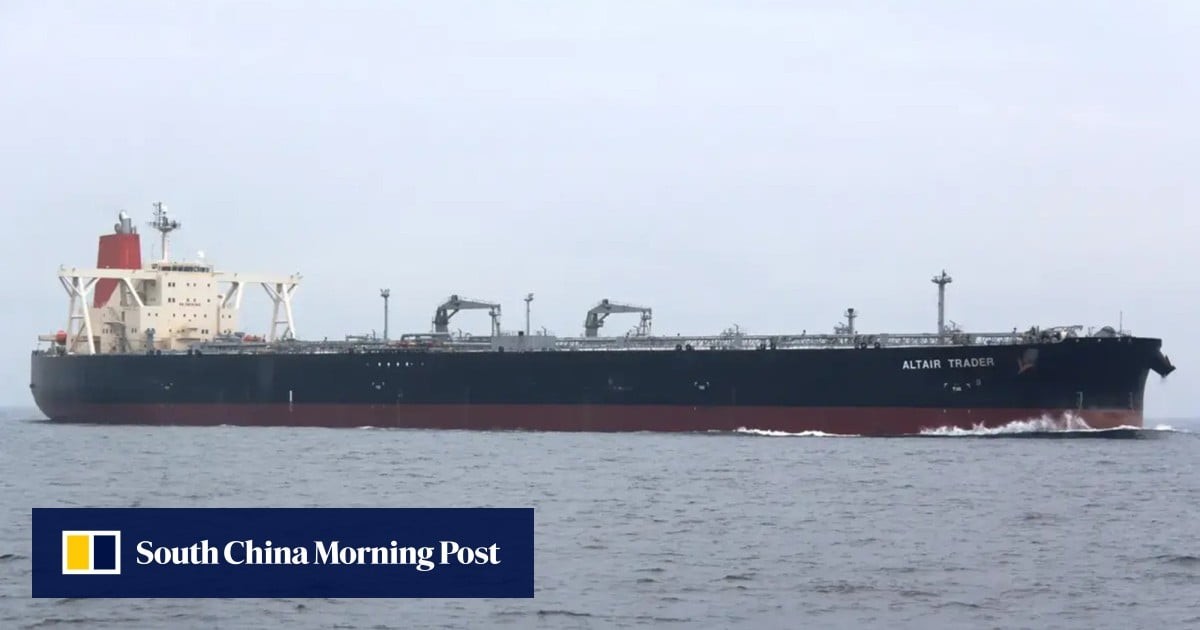
According to www.scmp.com, the United States on 29 July 2026 imposed sanctions on eight mainland Chinese and Hong Kong shipping companies accused of operating vessels that transported Iranian crude oil and petrochemical products to China and the United Arab Emirates.
Targeted Entities and Vessel Activity
The U.S. State Department identified eight companies as part of Iran’s sanctions-evading “shadow fleet.” Of these, six vessels were specifically designated by the U.S. Treasury Department for carrying Iranian crude oil to China. According to the report, some of these tankers transported millions of barrels of Iranian crude during 2026. The sanctions freeze all assets belonging to the targeted firms within U.S. jurisdiction and prohibit U.S. individuals and businesses from engaging in transactions with them.
The action extends Washington’s coordinated economic and naval campaign against Tehran. It coincides with ongoing U.S. Navy enforcement operations along Iran’s coastline and ports. The sanctions also apply extraterritorially: foreign financial institutions and third-party companies risk secondary sanctions if they continue certain dealings with the designated entities.
Strategic Enforcement Alignment
State Department spokesman Tommy Pigott explicitly linked the designations to maritime security operations.
“Today’s designations support the US Navy’s enforcement of a blockade on Iranian ports and coastline,” — Tommy Pigott, State Department spokesman
This marks a formal institutional alignment between Treasury-led financial sanctions and Pentagon-led naval interdiction — a coordination increasingly visible since early 2026.
The sanctions package also included two Iranian entities accused of coercing commercial vessels transiting the Strait of Hormuz into purchasing maritime insurance — coverage mandated by Tehran itself against risks such as seizure. That requirement, according to U.S. officials, constitutes an illicit revenue stream and undermines freedom of navigation in one of the world’s most critical chokepoints.
Geographic and Operational Scope
The sanctioned companies are headquartered across mainland China and Hong Kong, with vessel activity documented in deliveries to China and the United Arab Emirates. The U.S. government cited evidence of repeated voyages between Iranian loading ports — including Bandar Abbas and Kharg Island — and Chinese terminals, often using ship-to-ship transfers and AIS signal manipulation to obscure origin and destination.
According to the source, at least three of the six sanctioned tankers were flagged under Hong Kong registries, while the remaining three operated under Chinese corporate structures registered in cities including Ningbo and Shanghai. All eight designated companies were incorporated between 2021 and 2024, indicating recent operational scaling aligned with tightening global sanctions on Iranian petroleum exports.
Supply Chain Implications
For supply chain professionals managing energy logistics, the sanctions reinforce heightened due diligence requirements across vessel ownership chains, charter parties, and insurance documentation. The designation of firms incorporated in Hong Kong — a jurisdiction previously perceived as offering regulatory distance — signals expanding enforcement reach into offshore corporate vehicles commonly used in commodity shipping.
Industry practitioners report increased scrutiny of bills of lading, voyage logs, and AIS history for any vessel calling at Iranian ports or transiting the Strait of Hormuz. Banks and insurers now routinely require certified declarations of non-involvement with sanctioned entities — a process that has extended average clearance times for energy-related shipments by 7–10 business days since mid-2026. The move also accelerates adoption of blockchain-based cargo provenance tools among major Chinese importers seeking audit-ready compliance trails.
Source: South China Morning Post
Compiled from international media by the SCI.AI editorial team.