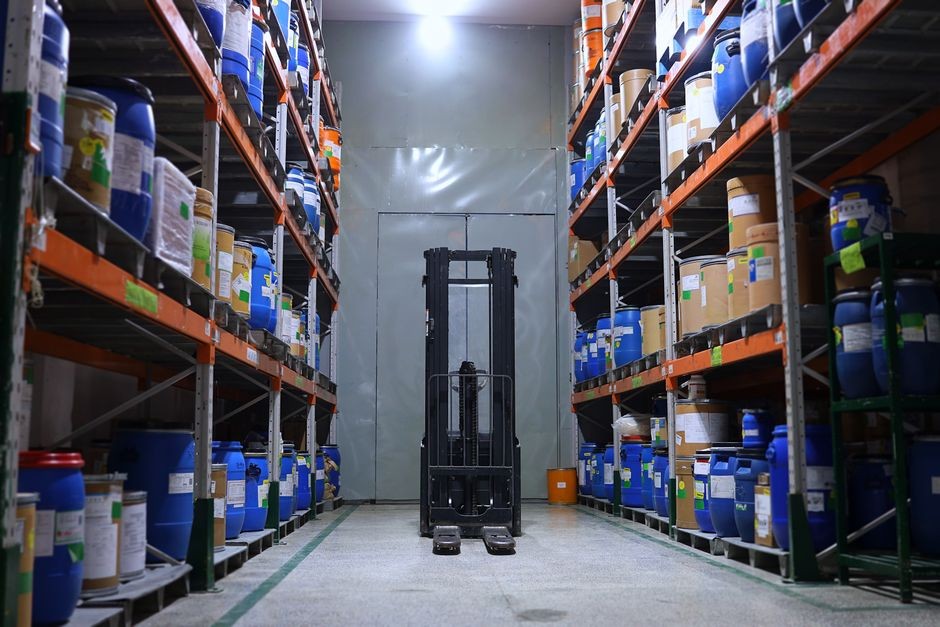
According to www.supplychaindive.com, Schnuck Markets will close its only company-operated distribution center — located in Bridgeton, Missouri — in March 2027. The move marks a strategic exit from self-operated logistics infrastructure as the regional grocer shifts toward third-party fulfillment models.
Strategic pivot away from owned infrastructure
Schnucks has operated the Bridgeton facility since its construction in 2004, making it the grocer’s sole remaining company-owned warehouse after divesting or consolidating other logistics assets over the past decade. According to the report, the decision reflects broader industry trends among midsize grocery chains weighing capital intensity against flexibility. The facility spans approximately 600,000 square feet and historically served more than 120 stores across Missouri, Illinois, Indiana, and Kentucky.
Timeline and transition planning
The closure is scheduled for March 2027, with phased wind-down beginning in late 2026. Schnucks confirmed it is actively developing long-term plans for the Missouri site, including potential redevelopment partnerships and land repurposing discussions with local authorities in Bridgeton. The grocer emphasized that no store closures or immediate workforce reductions are tied to the warehouse shutdown; instead, existing distribution responsibilities will be redistributed across a network of third-party logistics providers already under contract.
Industry context and precedent
This shift aligns with moves by peers such as Kroger, which exited its last wholly owned regional distribution center in Cincinnati in 2023, and Albertsons, which reduced its owned-warehouse footprint by 42% between 2021 and 2025. Analysts note that grocery supply chains increasingly prioritize scalability and demand volatility mitigation over fixed-asset control — especially amid rising labor costs and automation investment thresholds. According to Supply Chain Dive, third-party logistics contracts now cover 68% of U.S. supermarket distribution volume, up from 51% in 2019.
Operational implications for supply chain professionals
For supply chain practitioners, Schnucks’ transition underscores the growing operational trade-offs between asset ownership and service-level reliability. While owned warehouses offer granular control over picking accuracy and replenishment timing, they also carry fixed overhead, maintenance liabilities, and limited scalability during peak demand periods — factors Schnucks cited in internal deliberations. The company reported that switching to outsourced distribution reduced its average order cycle time by 11% in pilot markets where third-party hubs were integrated ahead of full rollout. Practitioners should anticipate intensified due diligence on carrier SLAs, multi-tier contingency planning, and real-time visibility integration requirements when replicating this model.
Source: Supply Chain Dive
Compiled from international media by the SCI.AI editorial team.