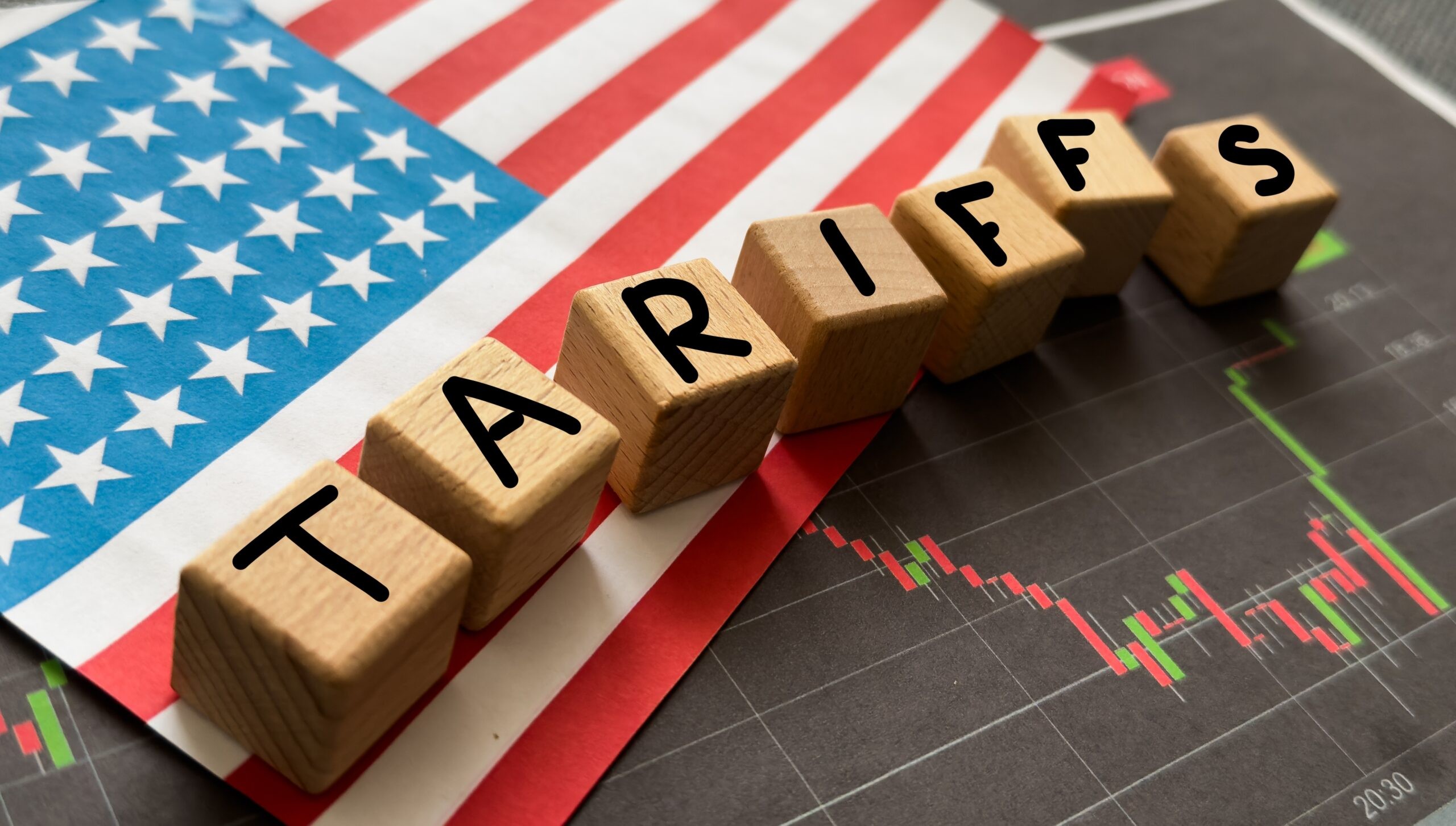
According to postandparcel.info, Logistics UK has issued a formal warning that the continued imposition of a 10% tariff on UK goods exported to the United States is increasing operational costs, complicating cross-border supply chains, and threatening broader trade growth. The group’s Chief Executive Ben Fletcher emphasized that UK goods exports to the US totaled approximately £60 billion in 2025, underscoring the economic stakes.
Trade Frictions Threaten Atlantic Economic Growth
Fletcher stated that while exporters welcomed the fact that the headline US tariff rate had not increased further, the persistent 10% levy remains a material burden. He stressed that tariffs do not merely inflate landed costs — they introduce planning uncertainty, delay customs clearance, and force businesses to reconfigure sourcing, inventory, and logistics routing across multiple jurisdictions.
“Tariffs increase costs, complicate supply chains and risk holding back trade, investment and economic growth on both sides of the Atlantic,”
“Tariffs increase costs, complicate supply chains and risk holding back trade, investment and economic growth on both sides of the Atlantic. Therefore, continued UK-US engagement will be vital, because increased trade-led growth comes from fixing the frictions that hold businesses back, not maintaining them.” — Ben Fletcher, Chief Executive, Logistics UK
Scale and Scope of Logistics UK’s Representation
Logistics UK represents one of the UK’s largest business groups, with members spanning road, rail, water, and air freight sectors — as well as major buyers of freight services including retailers and manufacturers. Collectively, its member companies support more than seven million people directly employed in the making, selling, and movement of goods across domestic and international markets.
The organization explicitly positions itself as the only UK business group representing the *entire* logistics value chain — from infrastructure operators to end-user shippers. Its advocacy agenda includes decarbonisation, digital integration, and regulatory alignment — all against a backdrop of accelerating geopolitical and technological disruption.
Broader Context: Tariffs Amid Structural Shifts
The July 24, 2026 statement from Logistics UK arrives amid intensifying transatlantic trade policy scrutiny. It follows recent announcements by Royal Mail, which reaffirmed its commitment to helping UK businesses “continue trading with customers across Europe”, and Poste Italiane, which reported its “fifth consecutive record-breaking first half” — both dated July 24, 2026. These developments signal coordinated industry attention to trade friction at a time when logistics networks face simultaneous pressure from e-commerce volume surges, de minimis threshold changes scheduled for July 2026, and tightening environmental regulations.
Logistics UK has previously called on the UK government to accelerate electric van legislation and create incentives for fleet electrification — citing the sector’s critical role in meeting national net-zero targets by 2050. That work intersects directly with tariff impacts: higher import duties on battery components or EV charging infrastructure could delay decarbonisation timelines for hauliers already operating on thin margins.
Practitioner Implications for Supply Chain Professionals
For supply chain professionals, the 10% tariff is not an abstract policy figure — it translates into measurable working capital strain. A mid-sized UK manufacturer exporting £5 million annually to the US faces an additional £500,000 in duty liabilities per year. To absorb this, firms are revisiting incoterms, renegotiating landed cost allocations with US partners, and assessing nearshoring feasibility for high-tariff categories such as steel components, machinery parts, and certain consumer electronics.
Meanwhile, customs brokers report rising demand for origin-of-goods verification services and preferential tariff classification support — particularly for goods moving through third countries before final US entry. This reflects growing complexity in rules of origin enforcement, which Logistics UK notes is increasingly difficult to navigate without dedicated compliance resources.
Source: Post & Parcel
Compiled from international media by the SCI.AI editorial team.