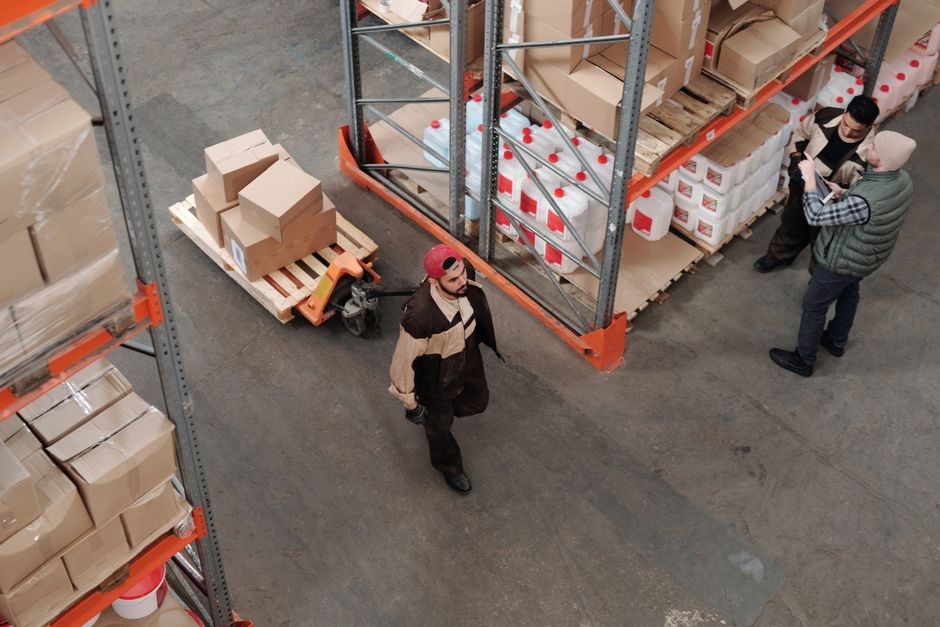
According to www.supplychaindive.com, PepsiCo will cease warehouse operations at its Pepsi Beverages production facility in Tulsa, Oklahoma, on November 15, 2026, impacting 184 warehouse employees.
Operational realignment, not full site closure
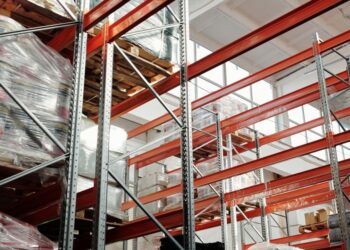
The company confirmed that while warehouse functions will be discontinued at the Tulsa site, production operations—including beverage manufacturing—will continue uninterrupted at the same location. Warehouse duties will be relocated to a newly established facility elsewhere in the Tulsa area, as stated by a PepsiCo spokesperson in an email to Supply Chain Dive.
This strategic shift reflects broader supply chain optimization efforts across the consumer packaged goods sector. According to the report, the decision follows a formal notice filed under the federal Worker Adjustment and Retraining Notification (WARN) Act on July 14, 2026. The WARN filing explicitly identifies the cessation date for warehouse activities and outlines timelines for employee separations.
Workforce impact and transition support
All affected employees have been formally notified, and PepsiCo is providing information about internal job openings to support workforce transitions. The WARN notice details specific roles and headcount: 16 checkers, along with other warehouse positions including loaders, forklift operators, and inventory clerks, collectively totaling 184 positions.
The layoffs are permanent, with no indication of temporary furloughs or recall provisions. Separation dates for all roles are uniformly set for November 15, 2026. This timing aligns with the company’s fiscal calendar, which ends in early September; however, the operational transition occurs in the following fiscal quarter.
Context within industry trends
This move follows similar consolidation patterns among major food and beverage manufacturers. In 2025, Coca-Cola consolidated three regional distribution centers into two automated hubs in Texas and Georgia, reducing warehousing headcount by 12% across those sites. Meanwhile, Kellogg Company (now Kellanova) exited five legacy warehouses in the U.S. Midwest between Q2 2024 and Q1 2025, citing rising labor costs and automation readiness gaps.
For supply chain professionals, the PepsiCo Tulsa action underscores a growing operational priority: decoupling high-labor, low-automation warehouse functions from integrated production sites. Practitioners report increasing pressure to rationalize footprint costs amid flat domestic beverage volume growth—U.S. carbonated soft drink shipments declined 0.7% year-over-year in Q1 2026, per Beverage Marketing Corporation data. Consolidating warehousing into newer, purpose-built facilities enables standardized labor scheduling, integrated WMS deployment, and reduced overtime exposure—key drivers in an environment where warehouse labor turnover exceeds 35% annually, according to the Council of Supply Chain Management Professionals.
No financial disclosure, but clear scope
PepsiCo did not disclose capital investment figures associated with the new Tulsa-area warehouse or quantify cost savings from the transition. However, the company emphasized that the change supports “long-term operational efficiency and service reliability,” as noted in its official statement to Supply Chain Dive.
The Tulsa facility has operated since 1972, making it one of PepsiCo’s older production assets in the central U.S. Its continued use for manufacturing—while shedding warehousing—signals a targeted modernization approach rather than wholesale divestiture. This mirrors trends observed at Nestlé’s Glendale, Wisconsin plant, where packaging lines were upgraded in 2025 while adjacent legacy distribution infrastructure was decommissioned.
Source: Supply Chain Dive
Compiled from international media by the SCI.AI editorial team.