According to www.scmp.com, the United States and Iran each claimed control of the Strait of Hormuz on Monday, 13 July 2026, following a weekend of reciprocal military actions that imperil an already-fraying 60-day interim agreement aimed at ending hostilities.
Strait of Hormuz at center of renewed conflict
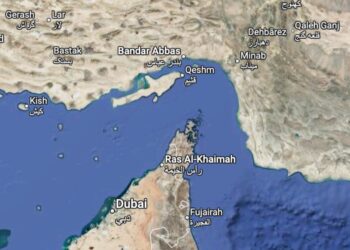
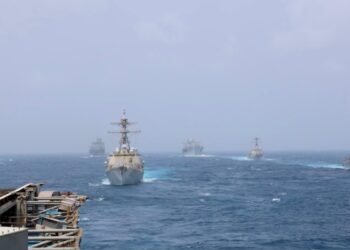
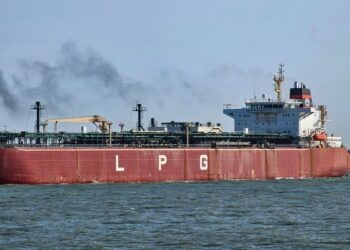
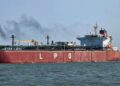
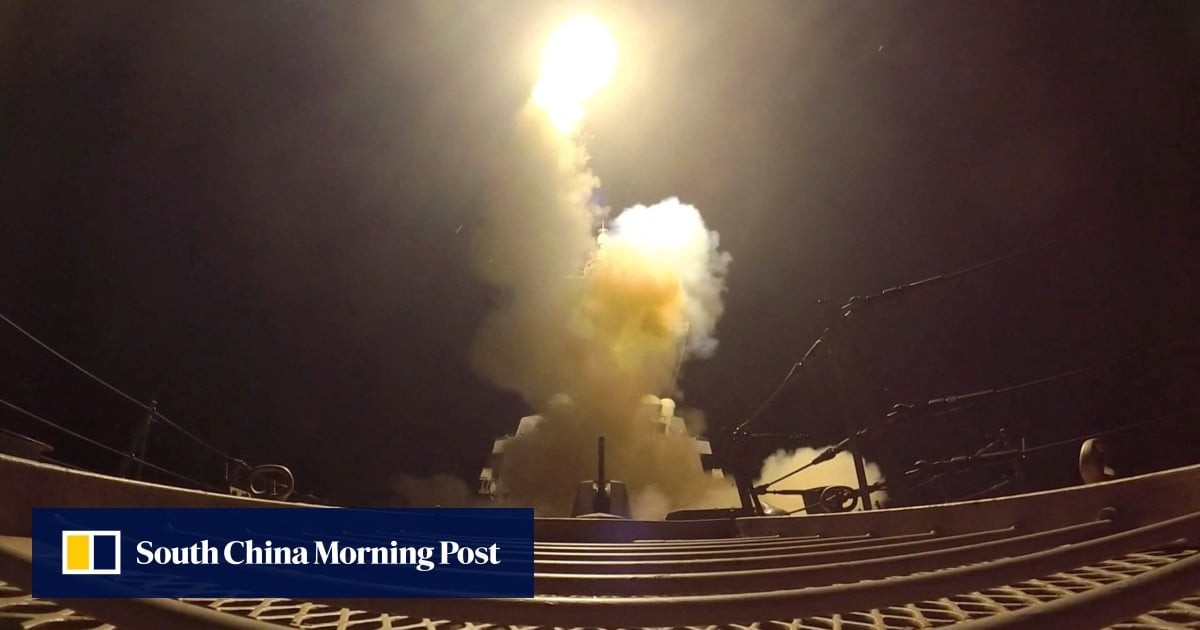
The narrow waterway — historically carrying 20% of the world’s traded crude oil and natural gas — has become the flashpoint in escalating tensions. Iranian forces struck a container ship Sunday in the strait off the coast of Oman, prompting immediate US counterstrikes across multiple locations in the wider Middle East. Since the war’s onset, Iran has maintained a de facto chokehold on the strait by targeting commercial vessels and intimidating shipping operators, causing persistent disruptions to global energy logistics.
The strategic importance of the corridor is underscored by its geographic constraints: just 34 miles wide at its narrowest point, it remains the most critical maritime chokepoint for global oil flows. According to the report, over 17 million barrels per day of oil transit through the strait under normal conditions — a volume now increasingly vulnerable to tactical disruption.
Diplomatic breakdown accelerates
The interim deal — designed to establish a framework for permanent peace negotiations — entered its 60-day implementation window earlier this year. As of 13 July 2026, the parties were approaching the halfway mark of that period, yet instead of progress, diplomacy has unraveled into tit-for-tat operations centered on the strait’s future governance and security arrangements.
US President Donald Trump stated on Fox News that “
we’re taking over the Strait
” and claimed “
everything was agreed to
” during an 11-hour meeting held Sunday. He added that Iranian negotiators later requested changes but offered no further detail. The source states that this reversal occurred within hours of the marathon session, deepening skepticism about the viability of the ceasefire mechanism.
Global consequences intensify
United Nations Secretary General Antonio Guterres issued an urgent warning, declaring that “
A return to full-scale hostilities would have catastrophic consequences
.” His statement reflects mounting concern among world leaders that the current trajectory risks reigniting full-scale regional war — with direct implications for global supply chain resilience, particularly in energy-dependent sectors.
The report notes that insurance premiums for vessels transiting the Gulf have risen by 320% since early May 2026, while rerouting via the Cape of Good Hope adds 14 days to typical Asia–Europe voyages. These delays and cost spikes are already being absorbed by major container lines and refineries across Europe and Asia, according to maritime industry data cited in the original article.
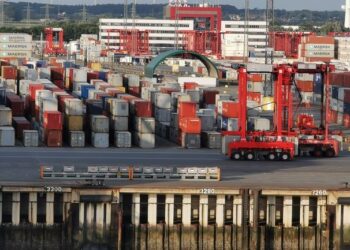
Commercial shipping activity in the strait has declined by 41% compared to pre-war levels, as charterers increasingly avoid the zone despite premium freight rates. This contraction directly affects port throughput in Dubai, Fujairah, and Bandar Abbas — key nodes in the Middle East’s energy logistics network.
Source: South China Morning Post
Compiled from international media by the SCI.AI editorial team.