According to supplychaindigital.com, Amazon’s 2025 sustainability report documents how AI-driven supply chain innovations and infrastructure upgrades enabled the company to grow revenue by 156% since 2019 while reducing carbon intensity by 38%.
Renewable Energy & Data Centre Expansion
For the third consecutive year, Amazon matched 100% of the electricity consumed across its global operations with renewable energy. Its carbon-free energy portfolio now comprises 712 projects with a total capacity of 42 GW. This expansion directly supports rapid data centre growth: in 2025, Amazon added more data centre capacity than any other company globally to meet surging demand for AWS and AI services. The company also invested in X-energy, a developer of small modular nuclear reactors, which could deliver up to 5 GW of new nuclear energy to the US grid by 2039.
Electric Fleet & Packaging Innovation
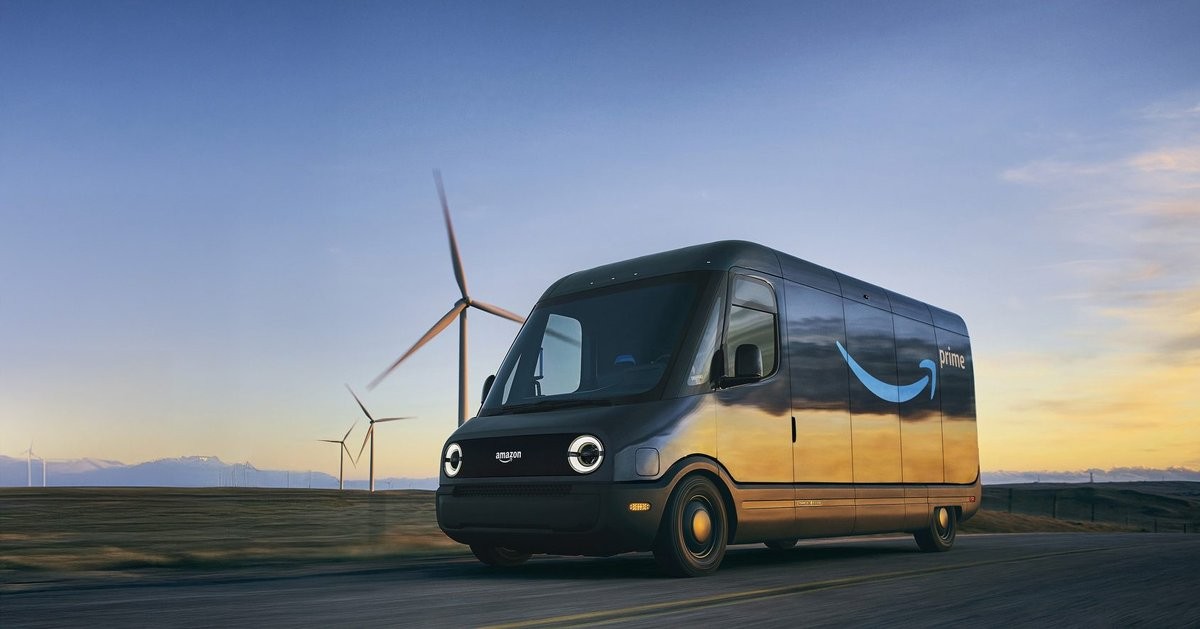
Amazon expanded its global electric delivery van fleet by 68% in 2025, deploying a total of 52,700 vehicles — up from 31,400 in 2024. These EVs delivered 2.4 billion packages during the reporting period. Beyond final-mile delivery, the company added over 360 electric heavy goods vehicles to its middle-mile logistics operations. In North America, automated packaging machines retrofitted with custom-fit paper systems avoided 288 million single-use plastic bags — an increase from 134 million avoided in 2024.
AI Integration Across Facilities
According to the report, Amazon installed AI tools in 820 facilities to detect leaks and mechanical failures in real time. Engineers developed an AI system capable of identifying material composition in unsellable or non-donatable items — a tool designed to improve recycling efficiency at facilities handling returns and damaged goods. The company reported that 73% of shipments in North America now arrive in materials recyclable at home, reflecting the shift from plastic to adaptive paper-based packaging. This automation-driven material optimization affects sorting, packing, and downstream recycling infrastructure resilience.
Water Efficiency & Operational Metrics
Water management advanced significantly in 2025: Amazon reached 75% of its goal to make global data centres water-positive by 2030. It achieved its 2027 water-positive target for India two years early, attaining 120% water positivity there through leak detection and on-site wastewater treatment. Amazon’s global data centres now achieve a Water Use Effectiveness (WUE) of 0.12 L/kWh, a 20% improvement over 2024 and seven times more water-efficient than the industry average.
Sustainability Leadership & Strategic Context
Kara Hurst, Chief Sustainability Officer at Amazon, stated:
“For Amazon’s work in sustainability, we laid out our long-term vision starting back in 2015 when we first suggested net-zero goals in a planning meeting, which culminated in setting The Climate Pledge in 2019.” — Kara Hurst, Chief Sustainability Officer at Amazon
She added:
“Sure enough, we’ve encountered tremendous change in each of the seven years since. Perhaps none bigger than AI, which is both transforming what’s possible — accelerating discovery, optimising systems and unlocking solutions that weren’t within reach before — yet also creating new demands for energy, water and infrastructure.” — Kara Hurst, Chief Sustainability Officer at Amazon
Hurst emphasized operational pragmatism:
“These things don’t happen overnight, but I’m proud of where we are and we’re pushing to go faster.” — Kara Hurst, Chief Sustainability Officer at Amazon
Source: supplychaindigital.com
Compiled from international media by the SCI.AI editorial team.