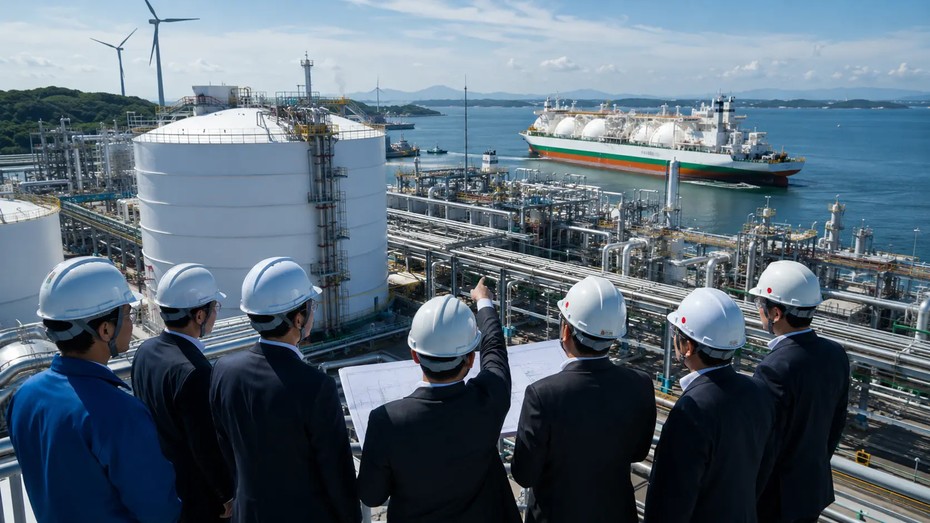
According to fuelcellsworks.com, seven Japanese companies — led by IHI Corporation — have secured joint certification from Japan’s Ministry of Economy, Trade and Industry (METI) and Ministry of Land, Infrastructure, Transport and Tourism (MLIT) to import low-carbon ammonia from the ACME Group’s production facility in Odisha, India. This marks the first India-sourced ammonia supply chain approved under Japan’s ‘Support Focusing on the Price Gap’ scheme.
First Certified India-Japan Ammonia Supply Chain
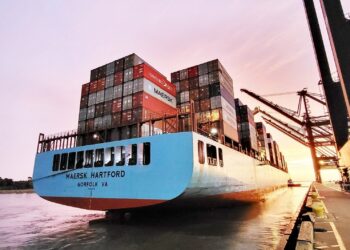
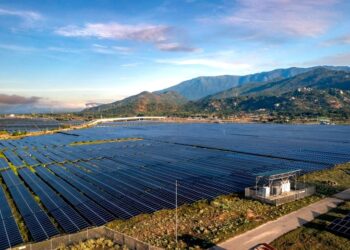
The consortium includes IHI Corporation, Kobe Steel, Ltd., Sumitomo Chemical Co., Ltd., Nippon Beet Sugar Manufacturing Co., Ltd., Hokkaido Electric Power Co., Inc., Mitsubishi Gas Chemical Company, Inc., and UBE Corporation. Certification enables the group to begin importing low-carbon ammonia starting in fiscal 2030, feeding power generation, chemical manufacturing, and industrial applications across Japan. The ammonia will be produced using renewable energy at ACME Group’s integrated green hydrogen and low-carbon ammonia facility in eastern India.
Price-Gap Subsidy Backs 15-Year Supply Commitment
Under Japan’s ‘Support Focusing on the Price Gap’ scheme — modelled after Contracts for Difference (CfD) mechanisms in the UK and Germany — certified projects receive subsidies covering the cost differential between low-carbon ammonia and conventional fossil fuels or feedstocks. Funding is administered by the Japan Organization for Metals and Energy Security (JOGMEC) and extends over a 15-year period. The scheme was established under the Hydrogen Society Promotion Act and aims to ensure stable, commercially viable supply during the early adoption phase of hydrogen derivatives.
Strategic Diversification Beyond U.S. Gulf Coast Supply
The Odisha project expands Japan’s geographically diversified ammonia import portfolio, which previously relied heavily on U.S. Gulf Coast sources. In December 2025, JERA became the first company certified under the same scheme to import low-carbon ammonia from the Blue Point project in Louisiana, USA, targeting use at its Hekinan Thermal Power Station. Days later, Mitsui & Co., Hokkaido Electric Power, Mitsubishi UBE Cement, and Tosoh Corporation received parallel certification to import 280,000 tonnes annually from that same Louisiana facility — described by Mitsui as Japan’s first large-scale commercial low-carbon ammonia import project.
Multi-Source Procurement by Japanese Utilities
Hokkaido Electric Power now participates in both the Louisiana and Odisha supply chains — a deliberate strategy to de-risk decarbonisation timelines through multi-source procurement. Japan’s national hydrogen and ammonia roadmap targets scaling supply from roughly 2 million tonnes today to 12 million tonnes by 2040, backed by plans to mobilise ¥15 trillion [$103 billion] in public and private investment over the next 15 years. The Odisha certification underscores India’s emergence as a low-cost hub for renewable energy–driven green hydrogen and derivative production — a development aligned with Japan’s broader goal of building a resilient, multi-country low-carbon ammonia value chain ahead of its fiscal 2030 milestone.
Source: fuelcellsworks.com
Compiled from international media by the SCI.AI editorial team.