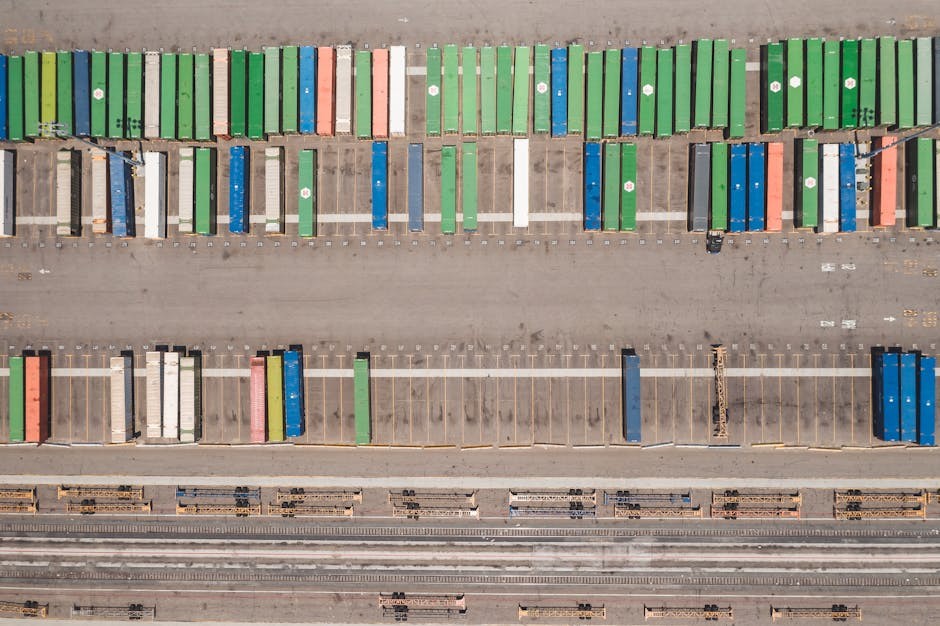
Hybrid Fleet Operations Challenge Warehouse Efficiency
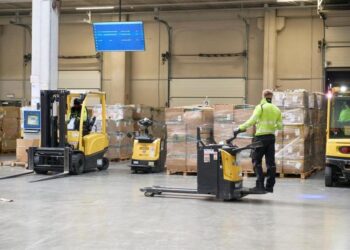
According to SupplyChainBrain, the integration of automated guided vehicles (AGVs) and human-operated forklifts in the same warehouse environment poses significant operational and safety risks if not properly managed. Nicola Tomatis, chief executive officer of Bluebotics, emphasized that while automation offers efficiency gains, the coexistence of both human-driven and robotic systems can reduce return on investment (ROI) by up to 20% due to inefficiencies and incidents.
“Having both automated vehicles and human-operated forklifts within the same facility can cause problems if they’re not properly managed.” — Nicola Tomatis, CEO, Bluebotics
Safety Risks Rise with Mixed Fleet Deployments
One common scenario involves a human-operated forklift navigating a dead-end aisle when an AGV enters unexpectedly, creating a blockage. These collisions or near-misses can lead to costly downtime and safety hazards. Tomatis noted that human drivers typically lack the collision-avoidance systems built into automated vehicles, increasing the likelihood of accidents. In one reported incident, a forklift operator reversed without seeing an AGV, resulting in a collision that damaged equipment and delayed operations.
The source states that facilities have begun equipping forklifts with laser scanners to match the safety capabilities of AGVs. This shift reflects a growing industry trend toward sensor-enabled hybrid fleets. According to Bluebotics, the inclusion of real-time location systems and centralized data management is critical to ensuring both vehicle types operate safely and efficiently in shared spaces.
Industry Shift Toward Integrated Sensor Systems
While some warehouses initially relied on wideband communication systems to coordinate mixed fleets, recent deployments show a preference for equipping forklifts with active sensing technology. These upgrades allow for real-time tracking of both human and machine operators, improving situational awareness across the facility. The source notes that such systems are now being adopted by an increasing number of distribution centers, especially those managing high-volume e-commerce fulfillment.
Despite the advantages of automation, Tomatis stressed that human operators remain essential for handling complex, unstructured tasks. “The human remains the most flexible solution in the world,” he said. “There will be processes that you’re not able to automate.”
Industry data from 2024 shows that over 68% of large warehouses now operate with mixed fleets, up from 42% in 2020, according to a report by the Material Handling Institute. This growth underscores the need for scalable safety and coordination technologies.
ROI and Safety as Key Performance Indicators
Facility managers must balance automation investment with operational continuity. A study cited by the source found that warehouses with poorly integrated mixed fleets experienced a 20% reduction in ROI compared to those using centralized monitoring and sensor-based coordination. This decline is attributed to increased downtime, higher maintenance costs, and delayed order fulfillment.
Best practices now include deploying unified software platforms that aggregate data from both AGVs and forklifts. These systems enable real-time alerts, route optimization, and incident tracking—key tools for improving both safety and efficiency.
Source: Supply Chain Brain
Compiled from international media by the SCI.AI editorial team.