Bankruptcy Court Approves STG Logistics Reorganization Plan
STG Logistics said Monday that its reorganization plan was approved by a federal bankruptcy court in New Jersey. In addition to providing fresh capital and reducing the intermodal marketing company’s debt burden, the deal settles legal disputes with its minority lenders.
Debt Reduction and Capital Injection
The Dublin, Ohio-based company entered a pre-packaged Chapter 11 agreement in January. Under the recapitalization plan, STG could reduce funded debt by over $1 billion (over 90% of its debt load). STG will soon receive the remaining $25 million of $150 million in previously committed capital.
Leadership and Ownership Shift
Affiliates of financial firms Fortress, Fidelity and Invesco led the restructuring and now hold a majority stake in the company.
Settlement of Lender Litigation
The agreement also resolves litigation from a subset of the company’s lenders. These creditors alleged their interests were compromised in 2024 following an arrangement between STG and lead lenders permitting delayed interest payments.
Path Forward and Leadership Statement
STG expects to emerge from Chapter 11 bankruptcy in the coming weeks.
“Confirmation of our plan is a monumental milestone that puts our company on a clear path to emerge from Chapter 11 with a strong financial foundation and significantly deleveraged capital structure,” said STG CEO Geoff Anderman in a news release. “With meaningfully reduced debt levels and new capital to invest in our business, we will be well-positioned to continue doing what we do best: delivering integrated port-to-door solutions and exceptional service to our customers.”
Operational Scope and Service Network
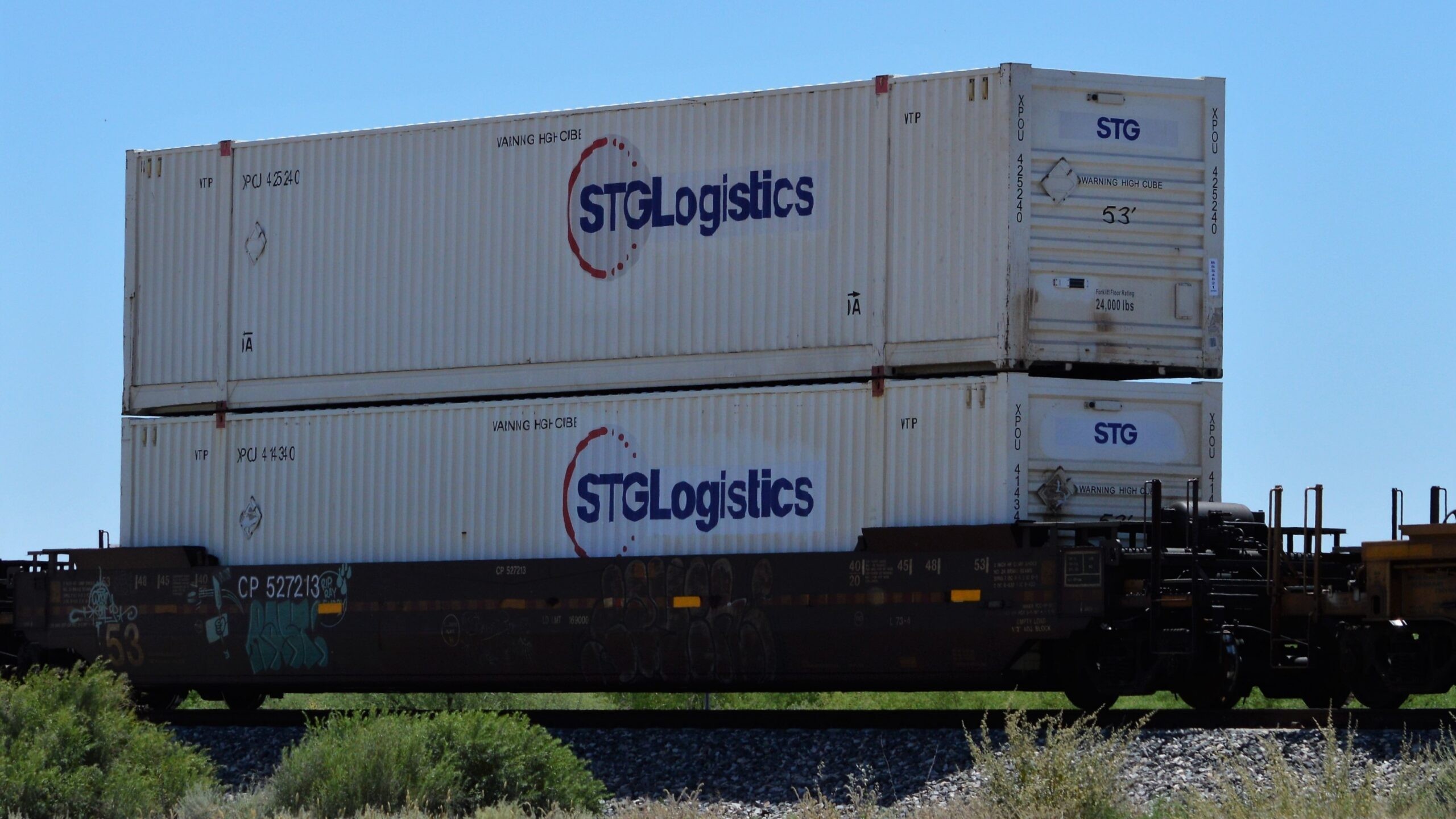
STG provides container freight station and transloading services, operating a network of roughly 100 owned and partner facilities. It is an asset-backed intermodal marketing company with 15,000 53-foot containers and 3,000 tractors (owner-operators), providing coast-to-coast, cross-border and intra-Mexico service. It also provides full-truckload and less-than-truckload services through a network of over 25,000 carriers.
Source: FreightWaves
Compiled from international media by the SCI.AI editorial team.