LPG and Fuel Costs Rise 37% in India’s Textile Hubs
According to news.google.com, fuel and liquefied petroleum gas (LPG) prices in India’s key textile manufacturing regions have increased by 37% over the past year, significantly impacting production costs and supply chain stability.
“This surge is putting unsustainable pressure on small and medium-sized textile units that operate on thin margins.” — Industry analyst, Chennai-based textile trade body
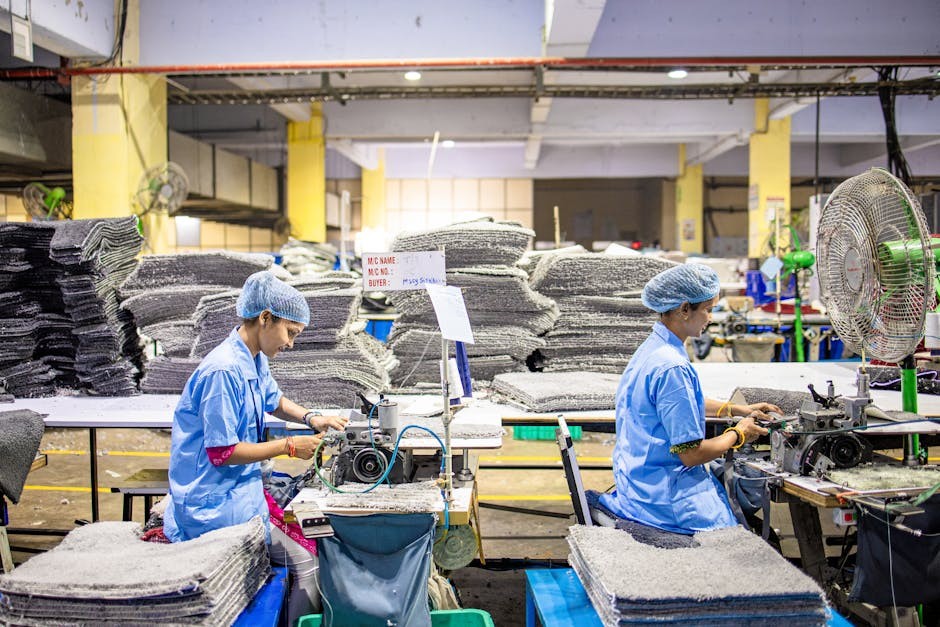
The rise in energy costs follows a broader trend of inflationary pressures in India’s industrial sector. In the last fiscal year, LPG prices rose from ₹45.60 per kg in April 2023 to ₹62.50 per kg in April 2024, a 37% increase. This directly affects textile mills that rely on LPG for drying, dyeing, and finishing processes. The sector, which contributes around 2.3% to India’s GDP and employs over 45 million people, is now facing a critical cost crisis.
Impact on Production and Export Competitiveness
Textile manufacturers in Tamil Nadu and Gujarat—two of India’s top production hubs—are reporting production slowdowns due to energy cost constraints. According to data from the Confederation of Indian Textile Industry (CITI), over 60% of small textile units in these regions have considered reducing operating hours, with some shifting to less energy-intensive manufacturing lines.
The cost increase has also affected export competitiveness. India’s textile exports, valued at $39.2 billion in FY2023–24, are now facing stiff competition from Bangladesh and Vietnam, where fuel and LPG subsidies keep production costs lower. The National Institute of Textile Engineering and Research (NITER) reports that Indian textiles are now 8–10% more expensive in international markets compared to regional peers.
Supply Chain Adjustments and Regional Shifts
Several textile buyers, including European and U.S.-based fashion brands, have begun reassessing their sourcing strategies. A recent survey by the India Brand Equity Foundation (IBEF) found that 42% of international buyers are considering shifting at least 15% of their orders to alternative suppliers in Southeast Asia due to rising input costs in India.
Major retailers such as H&M and Zara have reportedly started placing smaller, more frequent orders to reduce inventory holding costs and avoid lock-in during volatility. Meanwhile, logistics firms operating in Tamil Nadu and Gujarat have seen a 22% increase in fuel surcharges on freight, further raising delivery costs for finished goods.
Government Response and Industry Calls for Action
The Indian government has maintained LPG pricing under a subsidy scheme, but critics argue the support is insufficient. As of April 2024, only 35% of industrial LPG users are covered under the subsidized rate, leaving the majority of small and medium enterprises (SMEs) to absorb the full cost rise.
Industry leaders have urged the government to expand the industrial LPG subsidy program. The All India Textile Workers’ Federation (AITWF) has recommended increasing the subsidy coverage to 70% and introducing a time-bound price cap. However, no policy changes have been announced as of mid-2024.
Long-Term Supply Chain Resilience Measures
Some forward-thinking manufacturers are investing in alternative energy sources, such as solar-powered drying systems. A pilot project in Tiruppur, Tamil Nadu, funded by the Ministry of Textiles, installed solar thermal units in six textile units, reducing LPG dependency by 40% on average.
Supply chain professionals note that this shift reflects a broader trend toward energy resilience. According to the Indian Institute of Management Ahmedabad (IIMA), textile firms that have diversified energy sources report a 28% higher operational stability during cost spikes. The industry now faces a critical juncture: either adopt energy-efficient technologies or risk losing market share to lower-cost producers abroad.
Source: news.google.com
Compiled from international media by the SCI.AI editorial team.