Tony’s Chocolonely Achieves Top Sustainability Score in 2026 Chocolate Scorecard
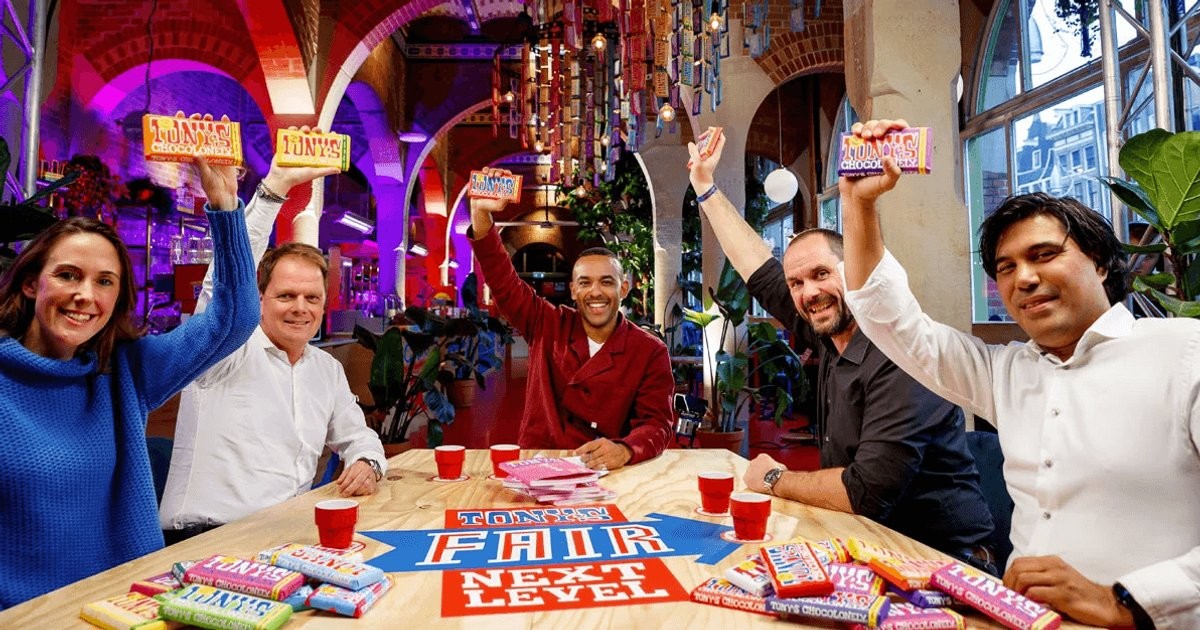
According to Supply Chain Digital Magazine, Tony’s Chocolonely has achieved one of only two overall green scores in the 2026 Chocolate Scorecard, placing it among the most sustainable cocoa producers globally. The company shares this distinction with HALBA, which ranked first overall. The assessment, coordinated by Be Slavery Free in collaboration with universities and NGOs, evaluates manufacturers on metrics including living income, child labour, deforestation, gender equality, agroforestry, and pesticide use.
Living Income Leadership and Open Chain Model
Tony’s Chocolonely ranked first for living income, a result attributed to its Open Chain model. This model guarantees farmers a minimum price—known as the Living Income Reference Price—that covers production costs and a living income benchmark, regardless of market volatility. According to the company, this pricing stability enables farmers in Côte d’Ivoire and Ghana to make long-term investments in their farms and households. The Open Chain structure supports farmers through long-term partnerships and productivity investments, enhancing supply chain resilience.
Gender Equality and Structural Change in Cocoa Farming
The company received the Gender Award for its targeted initiatives to address systemic barriers faced by women in cocoa farming. These include women-only farmer training sessions, access to financial services, and leadership development programmes. The Gender Roadmap aims to increase women’s participation in cooperative decision-making and improve their economic independence. The 2026 scorecard placed greater emphasis on measurable outcomes rather than policy statements, reflecting investor and consumer demand for verifiable impact.
Mission Allies Expand Ethical Sourcing Network
The Mission Allies programme, which enables companies to adopt Tony’s 5 Sourcing Principles, now includes 22 partners. In 2025, Koeckebackers joined the network, bringing the total to 22. According to the company’s 2024/2025 annual report, nearly half of the cocoa sourced through the Open Chain was used by Mission Allies, with the remainder used by Tony’s Chocolonely. Partners span brands, manufacturers, and retailers, including Ben & Jerry’s, Aldi, Waitrose, and Hema.
Chocolonely Foundation Supports Community Development
The Chocolonely Foundation operates independently and receives 1% of Tony’s net revenue annually. It funds projects in Côte d’Ivoire and Ghana focused on education, community stability, and aid for victims of human trafficking. The Foundation helps manage income gaps during the cocoa season and supports social programmes such as school fee coverage. These initiatives aim to reduce poverty and improve living conditions in cocoa-growing regions.
Progress and Challenges in Sustainability Implementation
While Tony’s Chocolonely achieved top scores in child labour prevention and deforestation monitoring, the 2026 scorecard introduced stricter criteria for agroforestry and pesticide management. The company acknowledged these areas as needing further development. To address this, Tony’s is expanding its Farm Transformation programme, which provides one-on-one agronomic coaching, promotes tree diversity, and funds sustainable practice implementation. Participating farmers receive training in soil health, crop diversification, and climate adaptation, with financial barriers removed through company-funded support.
“Our ambition to end exploitation in cocoa rests on us showing that you can deliver a positive impact for cocoa farming families, while also delivering strong commercial results.” — Douglas Lamont, CEO, Tony’s Chocolonely
Source: supplychaindigital.com
Compiled from international media by the SCI.AI editorial team.