According to www.iisd.org, the EU Carbon Border Adjustment Mechanism (CBAM) entered its definitive phase in January 2026, replacing voluntary reporting with binding financial obligations for EU importers of covered goods—including steel and aluminum from Viet Nam.
Compliance Timeline and Scope
The definitive phase commenced on 1 January 2026, marking the end of the transitional reporting period that began in October 2023. Under this phase, EU importers must now declare verified embedded emissions for each shipment of CBAM-covered products and surrender corresponding CBAM certificates—priced relative to the EU Emissions Trading System (EU ETS) allowance price. Steel and aluminum are among the first five sectors fully covered; cement, fertilizers, hydrogen, and electricity were added in the same rollout. Viet Nam exported $4.2 billion worth of steel and aluminum products to the EU in 2025, according to Vietnamese General Statistics Office data cited in IISD’s broader trade analysis.
Training Initiative in Ho Chi Minh City
In response to mounting compliance pressure, the International Institute for Sustainable Development (IISD), in collaboration with the Foreign Trade University, is hosting a two-day training series in Ho Chi Minh City on 26–27 May 2026, running from 8:30 am to 12:00 pm ICT. The event is by invitation only and targets Viet Nam-based producers, exporters, and industry representatives in the steel and aluminum value chains. Workshop facilitator Antoine Bonnet, a senior policy advisor at IISD specializing in trade and climate policy, will lead technical sessions on emissions calculation methodologies, verification protocols, and cost optimization strategies.
Technical Compliance Requirements
- Participants will learn how to calculate embedded emissions using either default values (set by the European Commission) or actual emissions data, with the latter requiring third-party verification under ISO 14064-3 or equivalent standards;
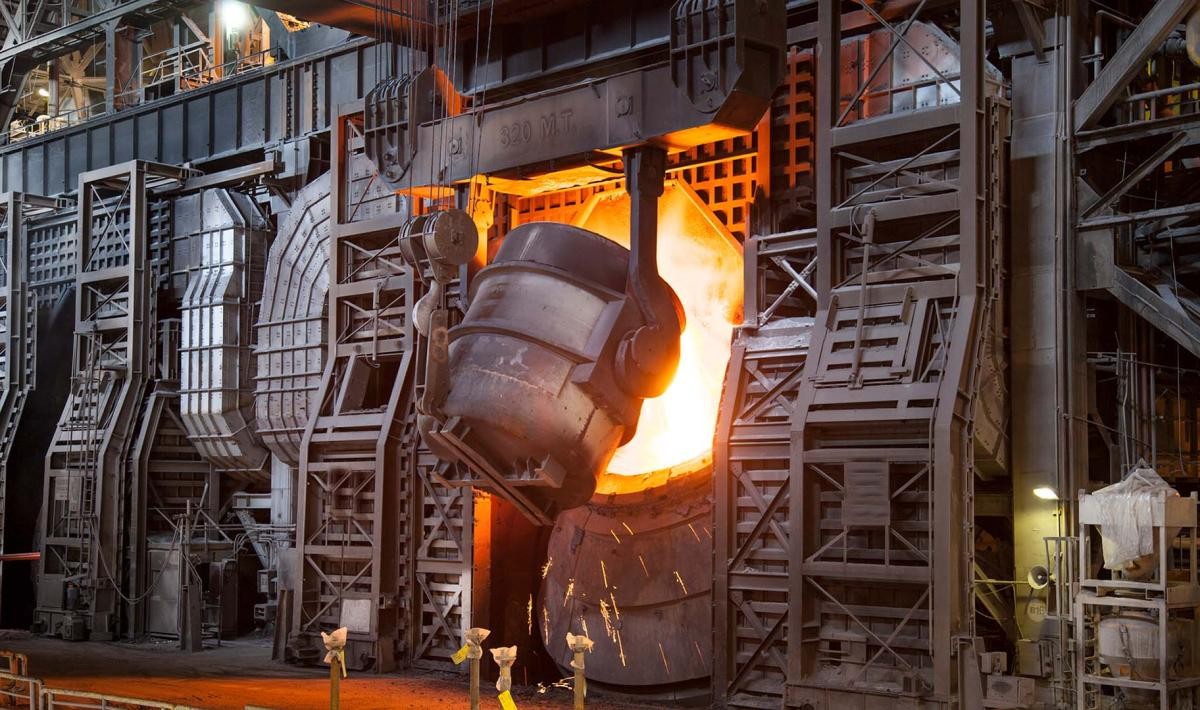
- The cost differential between default and actual reporting can exceed 35% depending on production route efficiency—e.g., electric arc furnace (EAF) vs. blast furnace-basic oxygen furnace (BF-BOF) steelmaking;
- Upstream inputs—including alumina for aluminum smelting and coking coal for iron ore reduction—must be traced and quantified, as their emissions directly affect final CBAM liability;
- Verification reports must be submitted annually to the EU’s CBAM Transitional Registry, with deadlines aligned to EU customs declarations—typically within 30 days of import clearance.
Industry Context and Regional Precedents
Viet Nam’s steel and aluminum exporters face growing regulatory convergence with other major trading partners. Indonesia implemented its own carbon tax on domestic industrial emissions starting 1 July 2025, while Thailand launched a pilot CBAM readiness program for export-oriented manufacturers in Q3 2025. Globally, over 40 countries have announced or enacted border carbon measures, per the World Trade Organization’s 2025 Trade and Climate Survey. For supply chain professionals, CBAM compliance now requires cross-functional coordination across procurement, sustainability reporting, logistics documentation, and customs brokerage—especially where upstream suppliers lack emissions monitoring infrastructure. A 2025 IISD survey of 62 Viet Nam-based metal exporters found that only 19% had conducted full scope 1 and 2 emissions inventories, and fewer than 5% had verified scope 3 data for raw material inputs.
Source: www.iisd.org
Compiled from international media by the SCI.AI editorial team.